



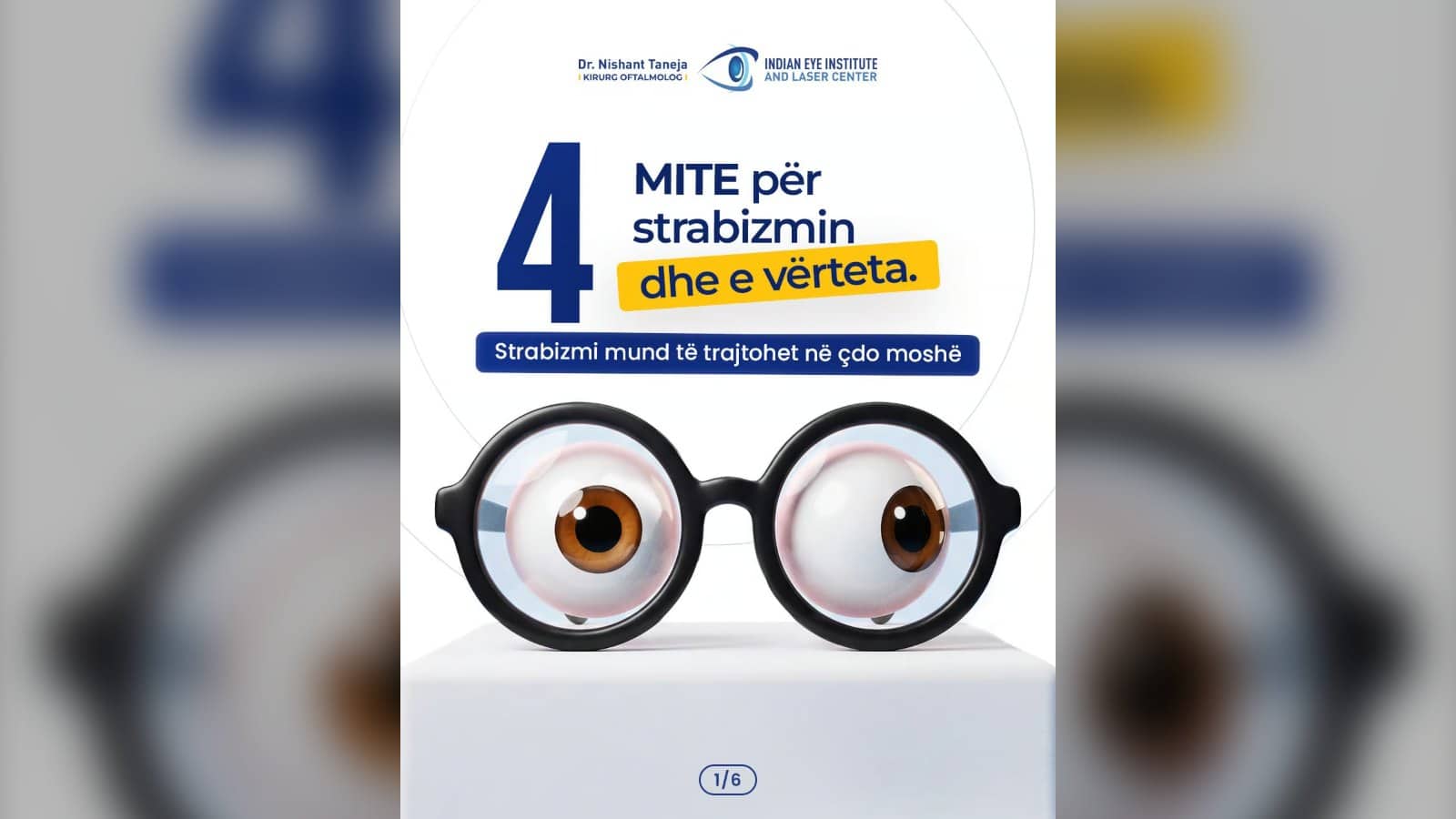
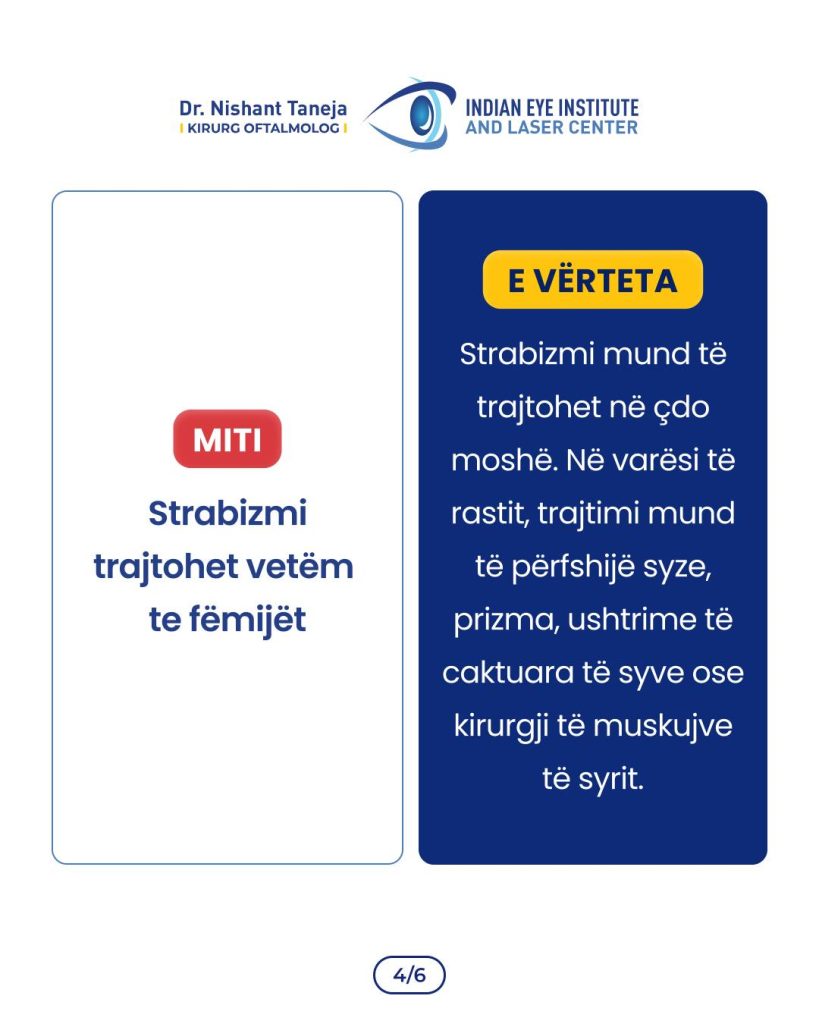
In brief: Yes, strabismus in adults can be treated at any age. It may have persisted from childhood, or it may develop suddenly due to paralysis of an eye nerve (often associated with diabetes), thyroid disease, stroke, or an injury. New-onset strabismus usually causes double vision, which requires an urgent visit. Treatment depends on the cause: prism glasses, botulinum toxin, or eye muscle surgery.
What is strabismus in adults?
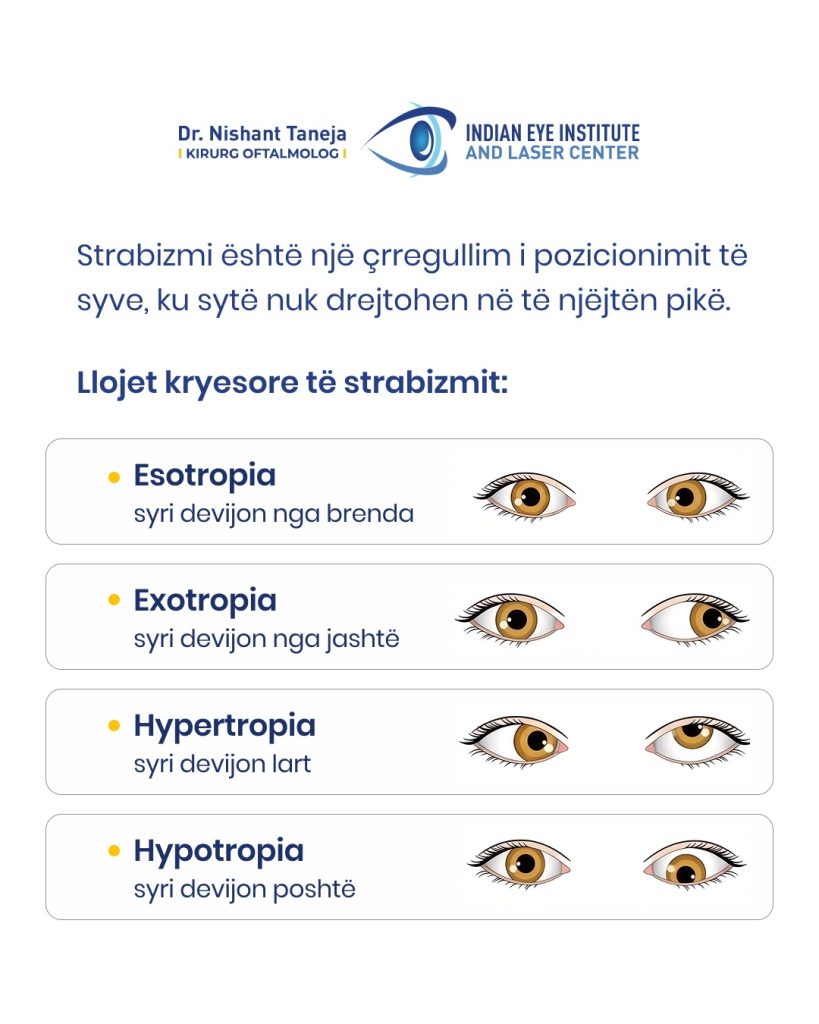
Strabismus, or “crossed eyes,” means the eyes are not pointed at the same place. One eye looks straight ahead while the other turns inward, outward, upward, or downward, either constantly or from time to time. It is caused by a problem with the eye muscles, the nerves that control them, or both. According to AAPOS (the American Association for Pediatric Ophthalmology and Strabismus), around 4% of adults in the US have strabismus at some point in their lives.
Why does strabismus develop in adults?
According to AAPOS, strabismus in adults either has been present since childhood and was not fully corrected, or develops suddenly. The first type usually does not cause double vision; the second almost always does. Common causes of new-onset strabismus include:
- paralysis of the nerves that move the eye (the third, fourth, or sixth nerve);
- diabetes and high blood pressure, which damage the small blood vessels that supply these nerves;
- thyroid eye disease (Graves’ disease);
- stroke and head injuries;
- previous eye surgery (cataract, retinal, or glaucoma surgery);
- myasthenia gravis, age-related changes in the tissues around the eye, and, more rarely, tumors.
Sometimes no cause is found. According to the American Academy of Ophthalmology (AAO), most sudden sixth nerve palsies in adults are linked to diabetes and high blood pressure, and resolve within 6 months. Diabetes also affects the retina (see retinal diseases); for eye injuries, see eye trauma surgery.
How can you tell? Double vision and other signs
A child’s brain learns to ignore the image from the misaligned eye; an adult’s brain cannot, so they see double. Other signs include blurred vision, difficulty reading and judging distances, a pulling sensation around the eye, and tilting or turning the head to make the image appear single.
Quick test: cover one eye. If the double vision goes away, the cause is usually related to eye alignment. If it continues with one eye covered, the problem is in the eye itself—for example, dry eye, astigmatism, cataracts, or keratoconus.
When is double vision an emergency?
Double vision can be the first sign of a stroke.
- Call 127 or go to the emergency room immediately if it occurs with a severe headache, one pupil larger than the other, weakness, slurred speech, dizziness or confusion, or after a head injury.
- See an ophthalmologist or go to the emergency room the same day if it starts suddenly, your eye hurts, or it does not go away within a few hours.
- Book an appointment without delay if it comes and goes.
Is crossed eyes in adults only a cosmetic problem?
No. The AAO and AAPOS describe strabismus surgery in adults as reconstructive, not cosmetic. In their joint statement (2017), they explain why:
- Double vision interferes with reading, driving, and work.
- Visual confusion: two different objects appear in the same place; when driving, another car may seem to be coming straight toward you.
- Depth perception is lost when the eyes do not work together; surgery can restore it, even in some adults who have had strabismus since childhood.
- Field of vision narrows when the eye turns inward and widens after surgery.
- A tilted head can cause neck spasms.
- Social life: strabismus can make eye contact difficult and reduce opportunities for work and relationships; the risk of depression and anxiety is higher, and decreases after surgery.
In the video below, Dr. Nishant Taneja, ophthalmic surgeon, explains how strabismus affects vision.
How is it diagnosed?
The ophthalmologist will ask when the problem began and about diabetes, high blood pressure, thyroid conditions, or previous eye surgery. They will then measure the vision in each eye and the angle of deviation using prisms, alternately covering the eyes, looking at near and distant targets, and in different directions. They will also check eye movements, the eyelids, retina, and optic nerve. For some patients, measurements are repeated after one eye has been covered for 30–45 minutes, to reveal the full deviation. When strabismus is new, the cause is investigated with blood tests, magnetic resonance imaging (MRI), or a CT scan. See also how often you should have an eye test.
How is strabismus in adults treated?
Treatment is chosen based on the cause and the size of the deviation:
| Treatment | When it helps | What to know |
|---|---|---|
| Prism glasses | Small deviation, mild double vision | They help only while you wear them; they do not cure strabismus |
| Patching one eye | While waiting | Eliminates double vision, but also binocular vision |
| Eye exercises | The eyes do not converge when reading (convergence insufficiency) | They do not help with every type of strabismus |
| Botulinum toxin (Botox) | Some cases, e.g. sixth nerve palsy | Injection into the muscle; the effect usually lasts a few months, sometimes permanently |
| Eye muscle surgery | The most common treatment | The muscles are loosened, tightened or repositioned in one or both eyes |
In most adults, the deviation changes depending on the direction of gaze, so prisms are often not enough. When the cause is recent, surgery is delayed: for sixth nerve palsy, if the deviation persists after 6 months; for thyroid eye disease, once the deviation has remained stable for at least 6 months.
Surgery is usually performed as an outpatient procedure, under general or local anaesthesia. Some surgeons use adjustable sutures, which allow a minor adjustment after surgery while the eye is numbed with drops. According to AAPOS, patients over 90 have also benefited.
Indian Eye Institute & Laser Center performs strabismus surgery for children and adults, including paralytic strabismus and cases involving double vision. According to the clinic, treatment may include glasses, prisms, exercises or eye muscle surgery.
What is recovery like after surgery?
Most people go home after a few hours. For a few days, it is common to feel as if there is sand in the eye, have a mild headache, feel a pulling sensation when moving the eyes, and experience redness. Double vision usually goes away after about a week, but it may last longer.
According to the NHS, you can return to work after about a week. Do not drive for at least one or two days, or longer if you have double vision; avoid swimming for 4 weeks and contact sports for 6 weeks. The most common risk is that the eyes may not be fully aligned or that double vision may persist; sometimes a second operation is needed. Infection, bleeding, drooping eyelid and vision loss are rare. If a side effect is severe or does not go away, contact the clinic.
What about children?
In children, the deviating eye may become “lazy” (amblyopia) if not treated early, so the approach is different. Learn about eye examinations and treatment for children in how strabismus in children is diagnosed and treated.
Frequently asked questions
Does strabismus in adults go away on its own? It depends on the cause. Nerve palsies caused by diabetes or high blood pressure often improve within a few months; if there is no improvement after 6 months, the cause is investigated further (AAO). Strabismus that began in childhood rarely goes away on its own (NHS).
Am I too old for surgery? According to AAPOS, the eyes can be realigned at any age when treatment is expected to reduce symptoms. For patients in poor health, surgery can be performed under local anesthesia.
Can I drive if I have double vision? No, not until your ophthalmologist tells you it is safe. Double vision and visual confusion make driving dangerous (AAO, AAPOS).
Sources
- AAPOS — Adult Strabismus (Adult Eye Misalignment)
- American Academy of Ophthalmology — What Is Adult Strabismus?
- AAO & AAPOS — Adult Strabismus Surgery, clinical statement (2017)
- AAO — Adult Strabismus Preferred Practice Pattern (2023)
- NHS — Double vision
- NHS — Squint · NHS — Squint surgery
- Cleveland Clinic — Double Vision (Diplopia)
Seeing double or notice that your eyes are misaligned? Book an appointment with Dr. Nishant Taneja, ophthalmic surgeon, at Indian Eye Institute & Laser Center in Tirana. An examination will identify the cause and the treatment that is right for you. Book an appointment · Tel. +355 67 50 30 017