



SMILE PRO: The Latest Technology in Vision Correction
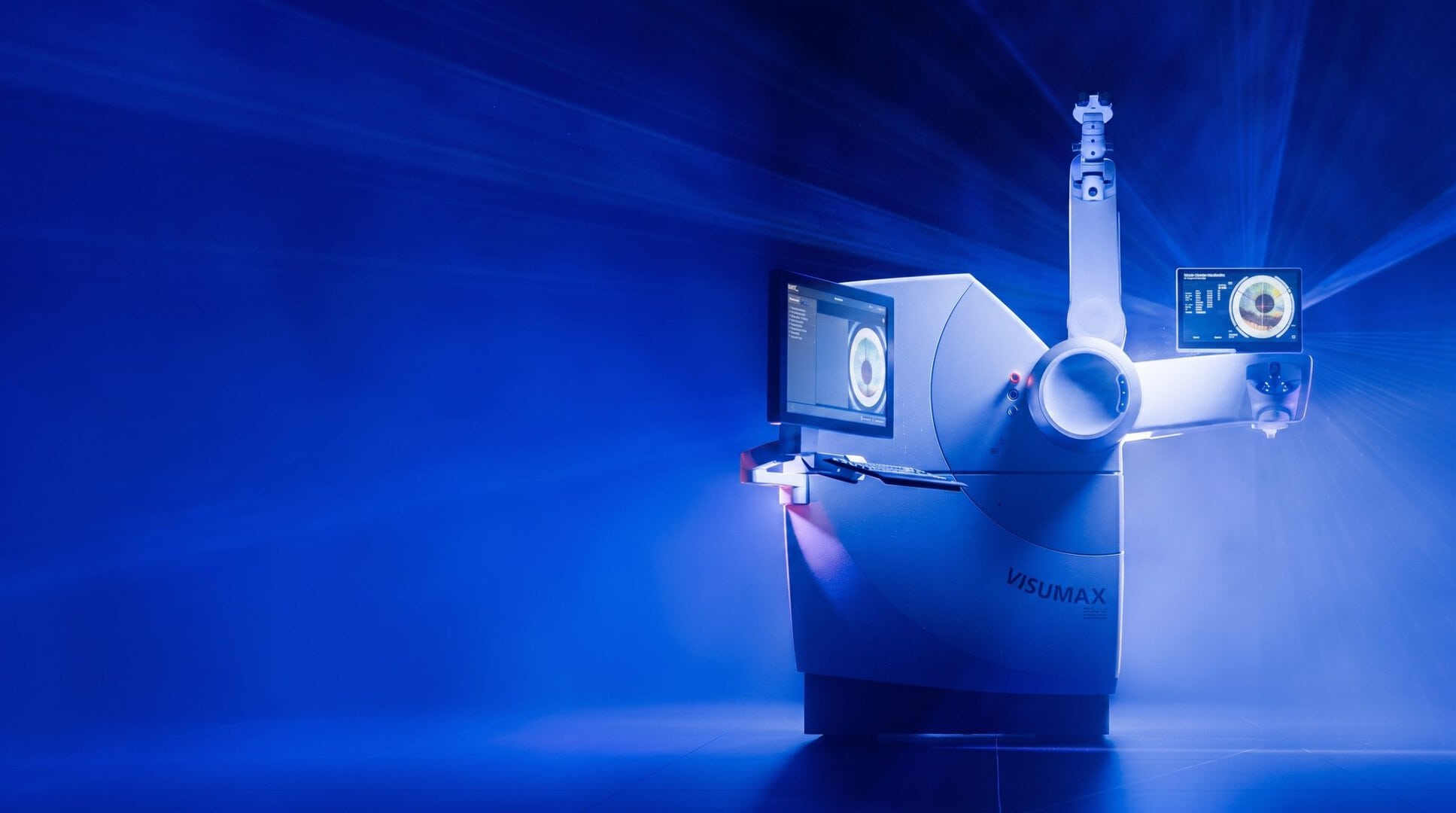
SMILE PRO is a modern, minimally invasive, flap-free procedure designed to reduce dependence on glasses and contact lenses. The procedure is performed by Dr. Nishant Taneja using the ZEISS VISUMAX 800 system, combining brief laser exposure with a personalized treatment plan for each patient.
What Is SMILE PRO?
The latest-generation technology for minimally invasive laser vision correction.
SMILE stands for “Small Incision Lenticule Extraction.” During this procedure, a femtosecond laser creates a very thin layer of tissue inside the cornea, known as a lenticule. The surgeon removes the lenticule through an incision only a few millimeters long, changing the shape of the cornea and the way light is focused on the retina.
Unlike FEMTO-LASIK, SMILE PRO does not require the creation and lifting of a corneal flap. The procedure is performed using a single femtosecond laser system and does not use an excimer laser to reshape the corneal tissue beneath the flap. SMILE PRO can be used to correct myopia and hyperopia, with or without astigmatism, in patients who meet the relevant criteria.
How Is Vision Corrected?
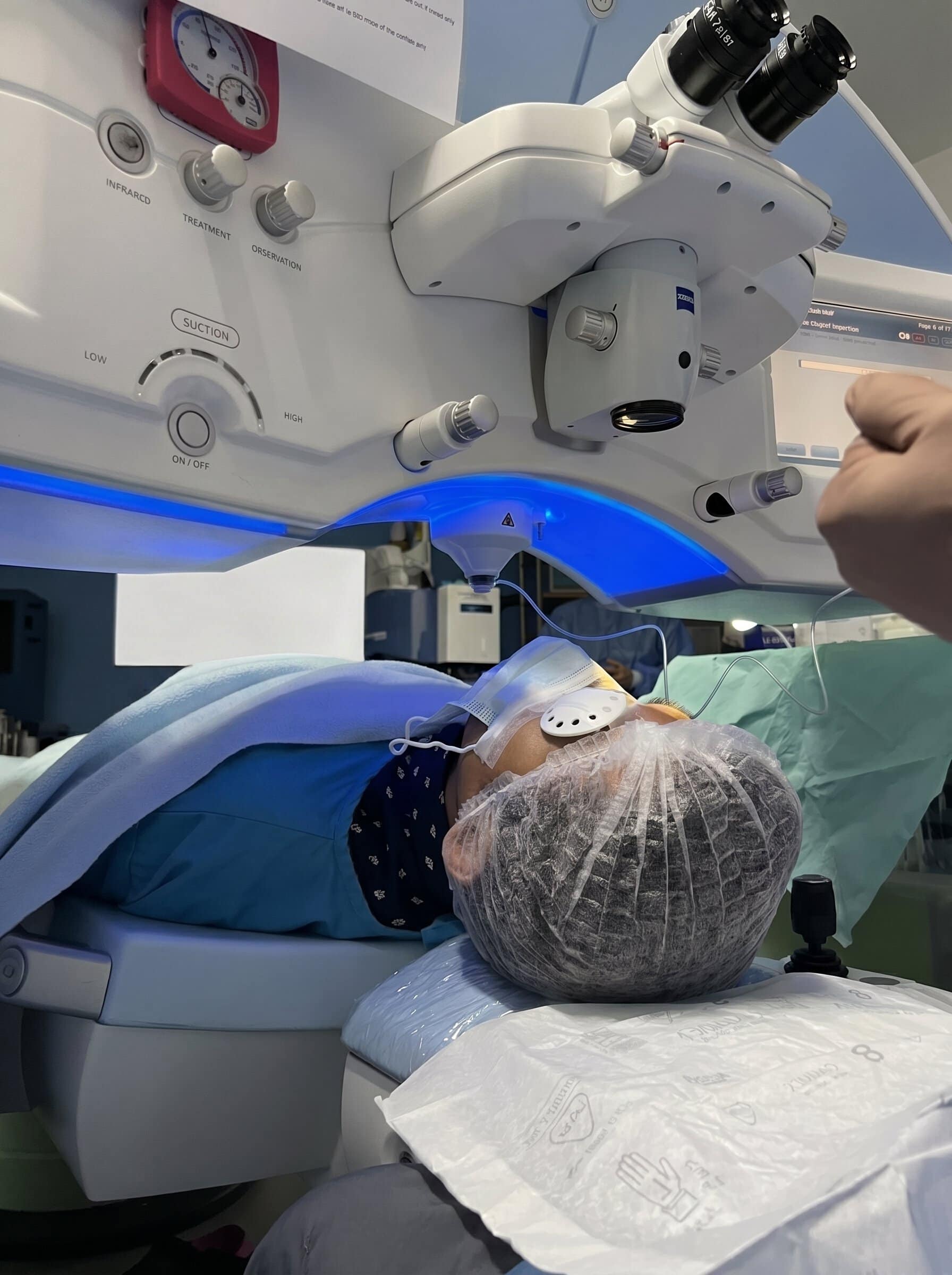
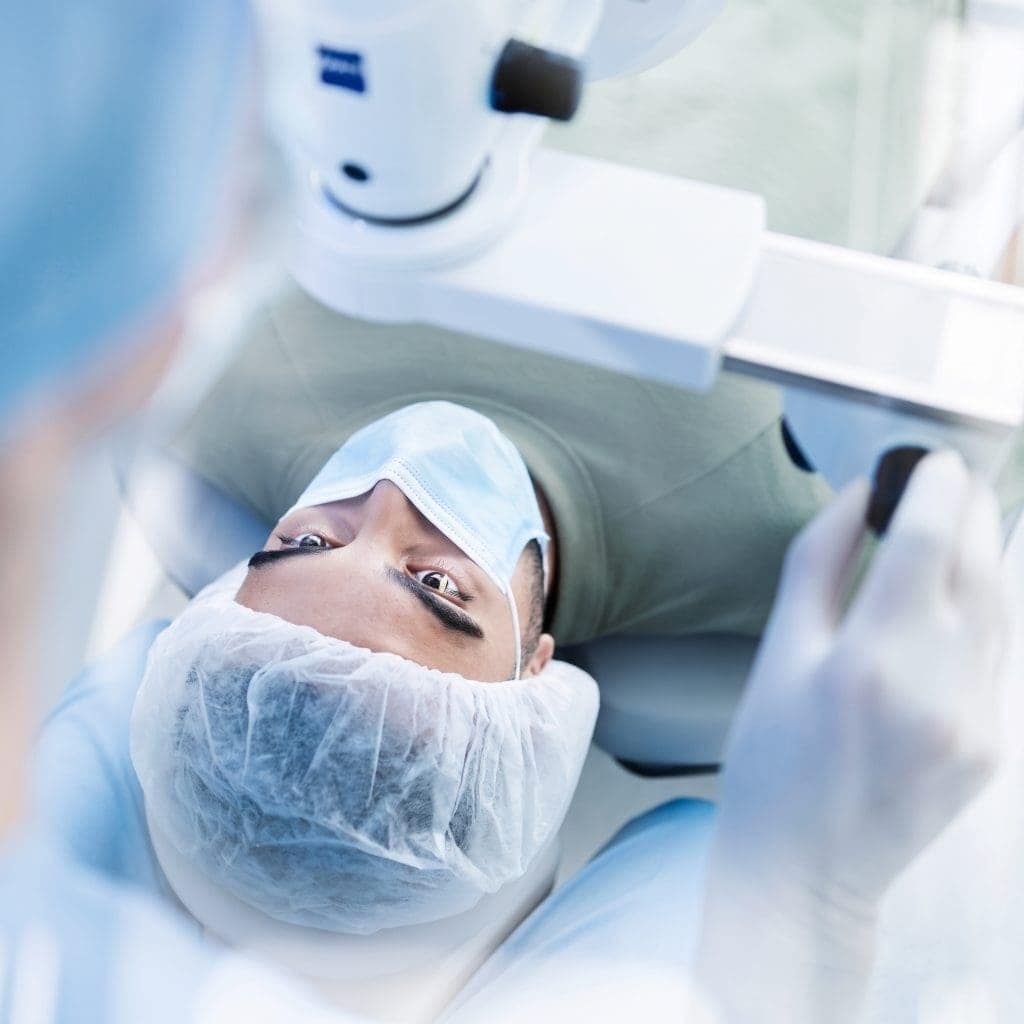
Preparation and positioning: The eye is numbed with anesthetic drops. The eyelids are held open with a special instrument, and the patient is instructed where to look during the laser stage.
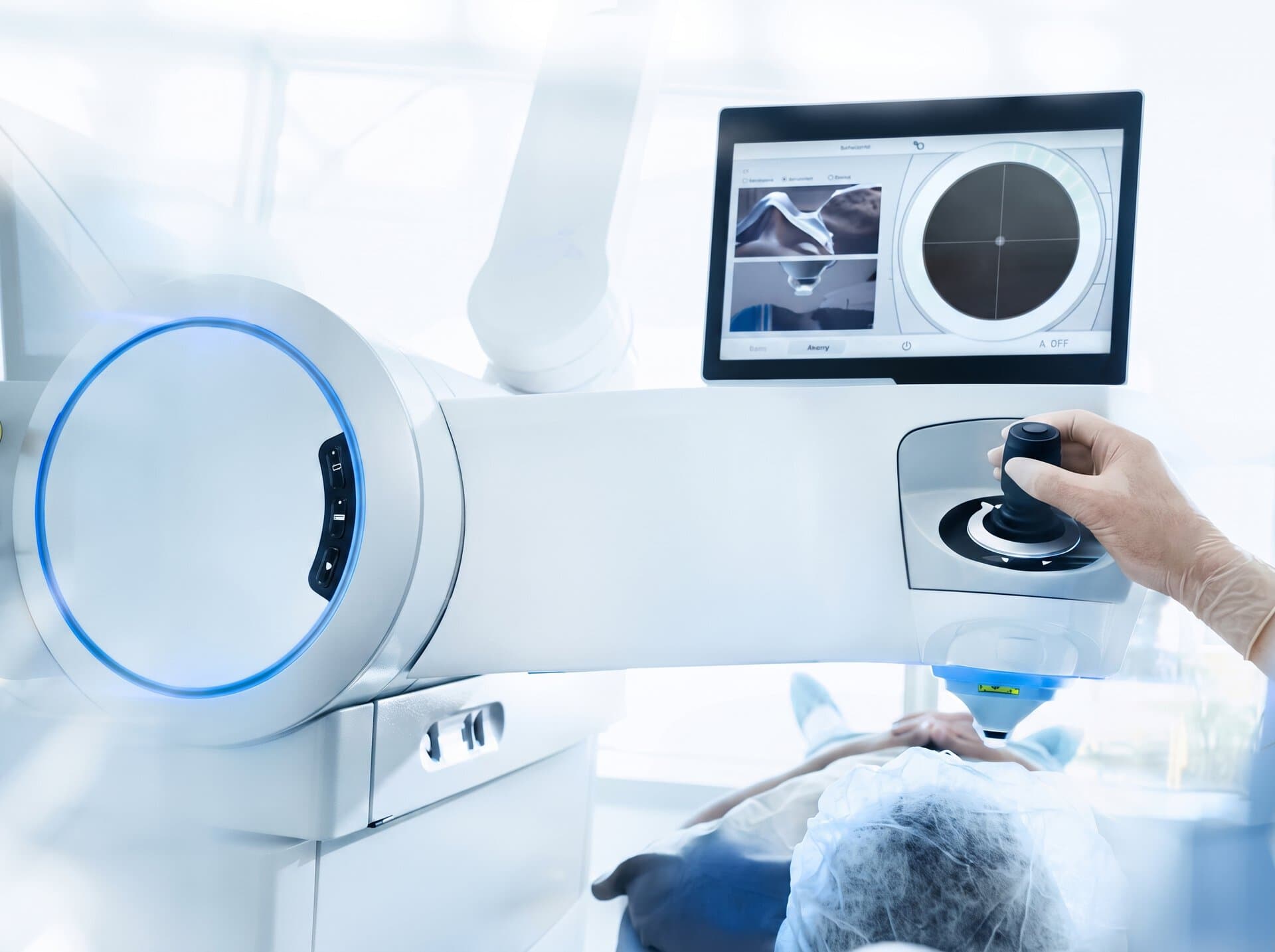
Lenticule creation: The ZEISS VISUMAX 800 precisely creates a microscopic lenticule inside the cornea and a small side opening. The shape and dimensions of the lenticule are planned according to the patient’s prescription and eye measurements.
Lenticule removal: Dr. Nishant Taneja removes the lenticule through the small incision. This reshapes the cornea and corrects the refractive error without creating a corneal flap.
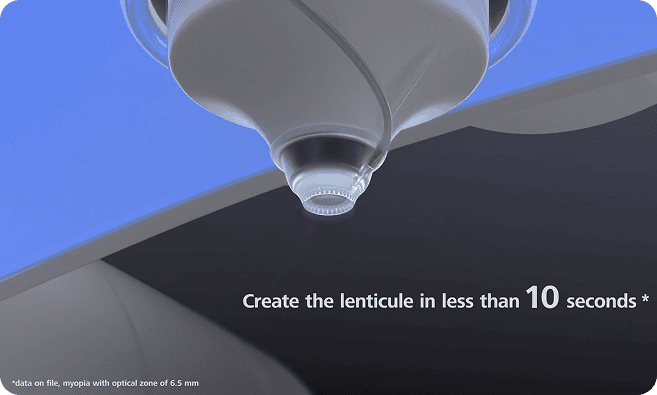
The entire procedure typically takes approximately 5–10 minutes per eye. Laser exposure lasts less than 10 seconds for myopia treatments and less than 13 seconds for hyperopia treatments. The duration may vary depending on the individual treatment plan.
Why Choose SMILE PRO?
SMILE PRO builds on the principles of the ReLEx SMILE procedure but uses the latest-generation ZEISS VISUMAX 800. The laser’s increased speed reduces both lenticule creation time and the duration of contact between the eye and the laser system.
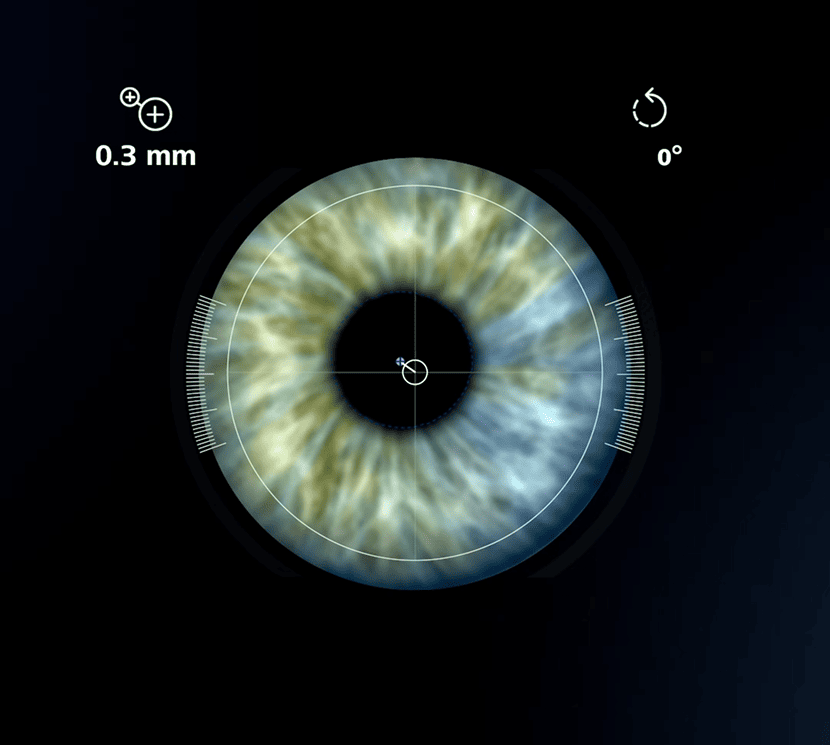
The device also includes computer-assisted systems for centration and cyclotorsion adjustment. These features assist the surgeon in planning and positioning the treatment, particularly when correcting astigmatism.
Because no flap is created, most of the cornea’s upper layers remain intact. Compared with procedures that require a flap, this may better preserve the cornea’s biomechanical structure and reduce disruption of the corneal nerves.
Technology is only one aspect of the treatment. The outcome also depends on appropriate patient selection, diagnostic measurements, the surgeon’s experience, and adherence to post-procedure instructions.
Benefits of SMILE PRO
An advanced procedure designed for precise vision correction, rapid recovery, and greater freedom from glasses or contact lenses.
Flap-Free Vision Correction
Only a Few Seconds Under the Laser
Rapid Recovery
Greater Eye Comfort
Advanced ZEISS Technology
Greater Freedom of Movement
Is SMILE PRO the Right Procedure for You?
SMILE PRO may be suitable for many patients with myopia or hyperopia, with or without astigmatism. However, your prescription alone is not enough to determine suitability. A recommendation is made after evaluating the cornea, ocular surface, vision stability, medical history, and the patient’s expectations.
Myopia, Hyperopia & Astigmatism
Stable Prescription
Age and General Health
Healthy Cornea
Good Eye Health
Realistic Expectations
Which Vision Correction Procedure Is Right for You?
Indian Eye Institute and Laser Center offers SMILE PRO, FEMTO-LASIK, and PRK. The purpose of the consultation is not to promote a single procedure, but to select the method that best suits your eye anatomy, prescription, lifestyle, and visual goals.
Not Sure Which Procedure Is Right for You?
The only way to determine the right procedure for you is through a comprehensive evaluation under the care of Dr. Nishant Taneja.
What to Expect
01. Examination and Planning
Every treatment begins with a detailed examination to determine whether SMILE PRO is the right procedure for your eyes.
Dr. Nishant Taneja assesses your prescription, corneal shape and thickness, tear film quality, and overall eye health. Your medical history, previous eye procedures, current medications, and expectations for treatment are also discussed.
Based on the results, it is determined whether SMILE PRO, FEMTO-LASIK, PRK, or another alternative is the most appropriate option.
The examination may include:
- Comprehensive vision testing
- Refraction testing
- Corneal topography
- Corneal tomography and thickness measurement
- Pupil and centration assessment
- Ocular surface and tear film assessment
- Comprehensive eye health examination
These measurements help rule out conditions that could affect the procedure or healing, such as keratoconus, severe dry eye, cataracts, glaucoma, or other eye problems.
If you wear contact lenses, you will be asked to stop wearing them before the measurements and procedure. Depending on the type of lenses, this period may last up to three weeks and will be determined precisely during your consultation.
02. Procedure
On the day of treatment, you should plan to spend approximately one hour at the clinic. This includes pre-procedure preparation, administration of eye drops, confirmation of measurements, and instructions before entering the laser suite.
We recommend wearing comfortable clothing and bringing a light, warm layer, as the temperature and humidity in the laser suite are maintained at controlled levels.
Arrange in advance for a friend or family member to accompany you and drive you home. Although you will be able to see after the procedure, your vision may initially be blurred and your eyes sensitive to light, so you must not drive.
Before the procedure begins, your eyes are numbed with anesthetic drops. A special instrument holds your eyelids open, preventing you from blinking during treatment. Dr. Taneja communicates with you throughout the procedure and guides you on where to look.
The ZEISS VISUMAX 800 creates the lenticule within the cornea and an incision only a few millimeters long. The lenticule is carefully removed through this opening, reshaping the cornea and correcting the refractive error without creating a corneal flap.
You may feel slight pressure or a brief pulling sensation during lenticule removal. Most patients experience little or no pain, although the sensation may vary from person to person.
The laser phase lasts only a few seconds, while the entire procedure is usually completed within 5–10 minutes per eye. Both eyes may be treated in the same session when considered appropriate.
Once the treatment is complete, the necessary antibiotic and anti-inflammatory eye drops are applied. The team will explain how to use them and the aftercare instructions you should follow at home.
03. Recovery and Follow-Up
Immediately after the procedure, your vision may be blurry and your eyes may water, be sensitive to light, or feel mildly irritated. These symptoms are usually temporary and subside as healing begins.
Many patients notice an improvement in their vision within the first few hours or days and can return to work and their usual activities within 2–3 days. Vision continues to clear gradually, with the best visual results usually achieved within a few weeks. For some patients, stabilization may take longer.
If recommended, you will be given eye shields to wear while sleeping to prevent unintentional rubbing.
After the procedure:
- Use the antibiotic, anti-inflammatory, and lubricating eye drops according to the prescribed schedule.
- Do not touch or rub your eyes.
- Wear the eye shields while sleeping, as recommended.
- Avoid eye makeup, swimming pools, dust, smoke, and strong winds for the specified period.
- Avoid heavy lifting, strenuous exercise, and contact sports until cleared by your surgeon.
- Wear sunglasses outdoors to protect your eyes from light and environmental irritants.
- Attend all scheduled follow-up appointments.
The first follow-up appointment usually takes place the day after the procedure, with another scheduled approximately 15 days later. Additional appointments may be scheduled during the first few months, depending on your individual progress.
During follow-up appointments, healing, visual clarity, and corneal stability are assessed. These visits allow the surgeon to monitor your progress and promptly address any concerns that may arise.


Indian Eye Clinic Tirana: 15+ Years of Trust


Retina | Cataract | Refractive Surgery


Maximum Precision with ZEISS VISUMAX 800
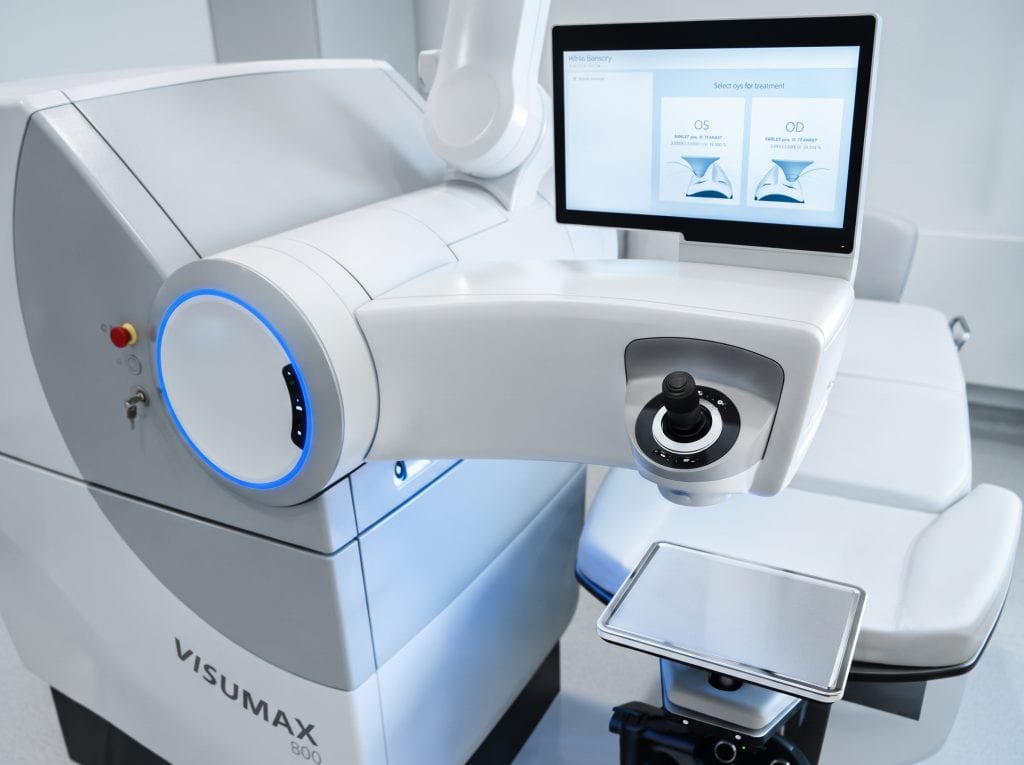
SMILE PRO is performed using the ZEISS VISUMAX 800, the latest generation of ZEISS femtosecond laser technology for minimally invasive lenticule extraction.
The 2 MHz laser frequency enables the lenticule to be created in less than 10 seconds during myopia treatment. For hyperopia treatments, laser exposure lasts less than 13 seconds.
The OcuLign and CentraLign computer-assisted systems help the surgeon adjust for cyclotorsion and center the treatment. The device also features a surgical microscope, integrated cameras, and a digitally connected workflow for treatment planning and documentation.
In SMILE PRO, the lenticule and small incision are created using the same femtosecond laser. No excimer laser is required, and no corneal flap is created.
In March 2025, under the direction of Dr. Nishant Taneja, the first ZEISS VISUMAX 800 system in Albania was installed at the Indian Eye Institute and Laser Center.
This technology is combined with Dr. Taneja’s more than 15 years of experience in refractive surgery and a personalized diagnostic assessment for each patient.
Why ZEISS VISUMAX 800?
ZEISS VISUMAX 800 represents the latest generation of femtosecond lasers developed for refractive surgery. Compared with the previous VisuMax 500 platform, the new system creates the lenticule in less than 10 seconds for myopia treatment, significantly reducing laser and suction exposure time.
Speed is not the only improvement. Diagnostic eye measurements are integrated into the procedure planning, while computer-assisted systems help ensure precise treatment centration and positioning. The camera and infrared tracking technology help the surgeon monitor eye orientation and astigmatism correction. SMILE PRO operates as a single-step system: the same femtosecond laser creates the lenticule and the small incision through which it is removed. No corneal flap is created, and no excimer laser is required.
Feature
- Lenticule creation in less than 10 seconds for myopia
- 2 MHz laser frequency for faster, more precise incisions
- Shorter laser and suction exposure time
- Computer-assisted systems for centration and cyclotorsion control
- Camera and infrared tracking for precise positioning
- Flap-free correction through an incision only a few millimeters wide
- Integrated surgical microscope and cameras
Patient Education Videos
View All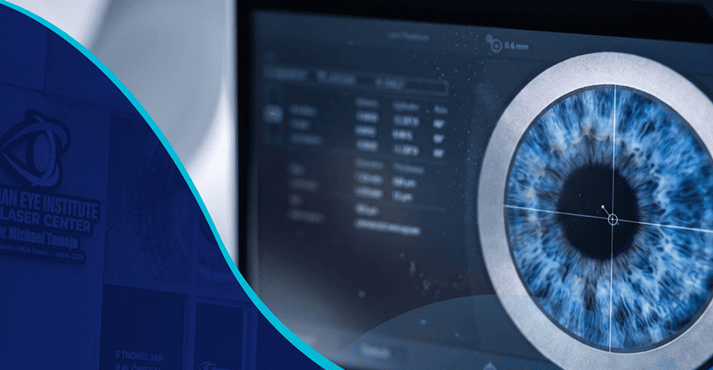
The SMILE Pro Procedure
Chemical Eye Injuries
Diabetic Retinopathy
Signs That Should Not Be Ignored
Examination and Treatment
Download the Guides Free for Patients

Frequently Asked Questions About SMILE PRO
SMILE PRO is a minimally invasive laser vision correction procedure. ZEISS VISUMAX 800 creates a thin lenticule within the cornea, which is removed through an incision only a few millimeters wide. This reshapes the cornea without creating a flap.
Book a ConsultationNo procedure is automatically better for every patient. SMILE PRO does not create a flap and may disrupt fewer corneal nerves, while FEMTO-LASIK may be more suitable for certain prescriptions or eye characteristics. The choice is made after diagnostic testing.
Compare ProceduresIn markets where these indications are available, SMILE PRO can correct myopia and hyperopia, with or without astigmatism. The specific treatment range and suitability are determined after examination.
Anesthetic eye drops are administered before the procedure. Most patients experience only mild pressure or a brief pulling sensation, although individual experiences may vary. Mild irritation or sensitivity to light may occur after the procedure.
Laser exposure lasts less than 10 seconds for myopia and less than 13 seconds for hyperopia. The entire procedure, including lenticule removal, usually takes approximately 5–10 minutes per eye.
Many patients return to their usual activities within 1–3 days. The timing depends on individual healing, the type of work, and the surgeon’s advice. Strenuous sports and activities in dusty environments require greater caution.
Yes, both eyes can usually be treated during the same session, provided the examination confirms that this is appropriate and safe for the patient.
SMILE is a clinically established technique, and ZEISS SMILE and SMILE PRO technologies have been used to treat more than 10 million eyes worldwide. However, no surgical procedure is risk-free. Appropriate patient selection, the surgeon’s experience, and post-procedure care are essential.
SMILE PRO technology is approved by the U.S. FDA and is known for its precision, faster visual recovery, and virtually painless experience. Unlike traditional LASIK, SMILE PRO is a single-step, flapless procedure, so there is no risk of a flap shifting or folding.

Take the First Step Toward Better Vision.
Fill out the form below and our team will contact you
to schedule a consultation and answer your questions.