



Ocular Trauma Surgery
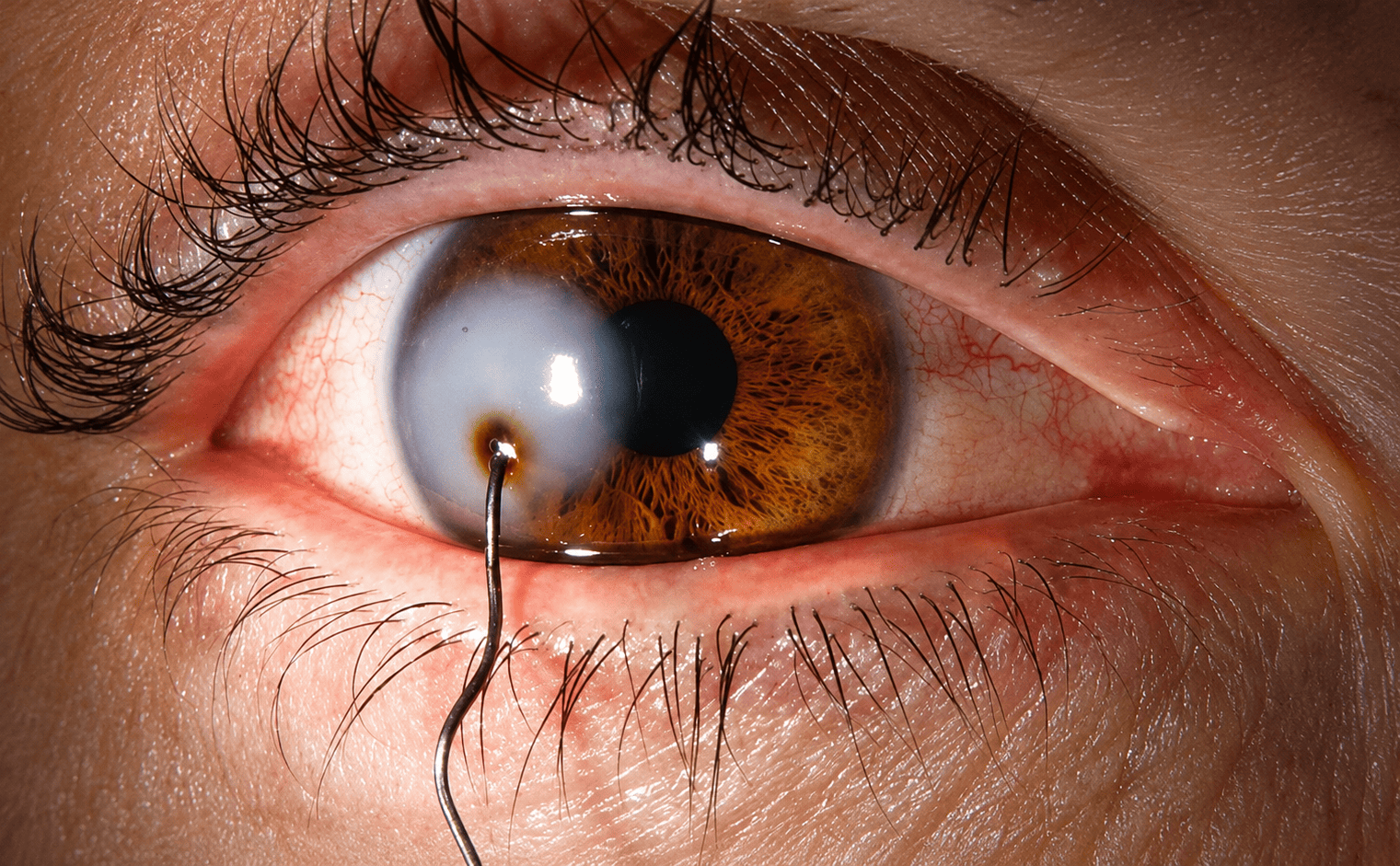
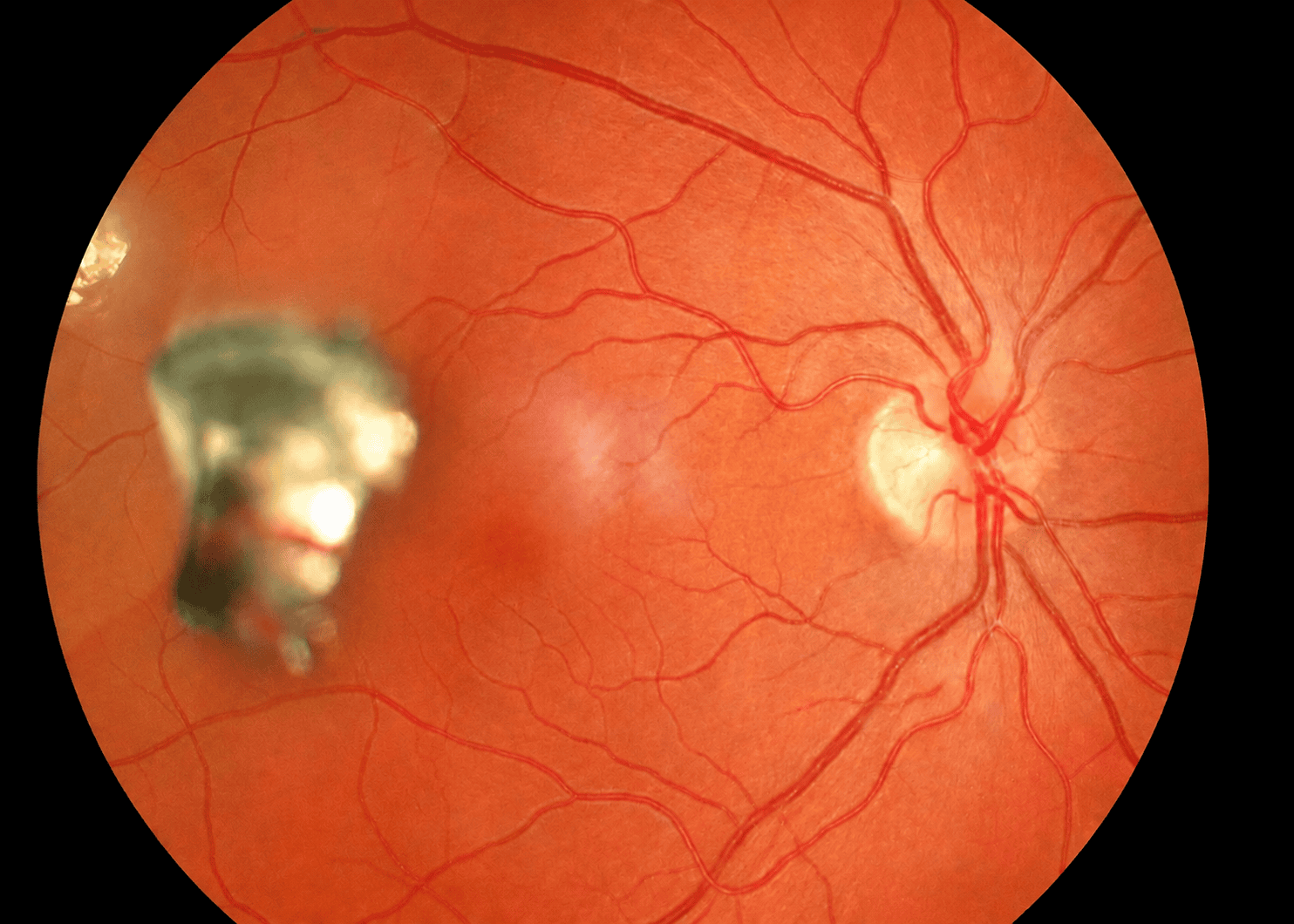
Ocular trauma surgery under the care of Dr. Nishant Taneja at the Indian Eye Institute and Laser Center in Tirana. Treatment is tailored to the nature of the injury and may include repair of eye structures, removal of intraocular foreign bodies, vitrectomy, and complex reconstructive procedures.
What Is Ocular Trauma?
Ocular trauma includes injuries caused by blunt impact, penetrating objects, foreign bodies, or explosions. Severe injuries may affect the cornea, lens, vitreous, retina, or optic nerve and require immediate assessment.
Ocular trauma surgery aims to close open wounds, restore the integrity of the eye, remove intraocular foreign bodies, and repair damaged structures. Depending on the injury, corneal repair or transplantation, removal of the damaged lens, vitrectomy, laser treatment, or retinal repair may be required.
Dr. Nishant Taneja regularly treats patients with intraocular trauma and foreign bodies inside the eye. He has experience in the emergency, surgical, and long-term management of these patients. The treatment plan and visual prognosis are determined after a comprehensive examination.
OCULAR TRAUMA SURGERY AT A GLANCE
Duration:
Recovery:
Anesthesia:
Clinical experience:
PHOTO GALLERY
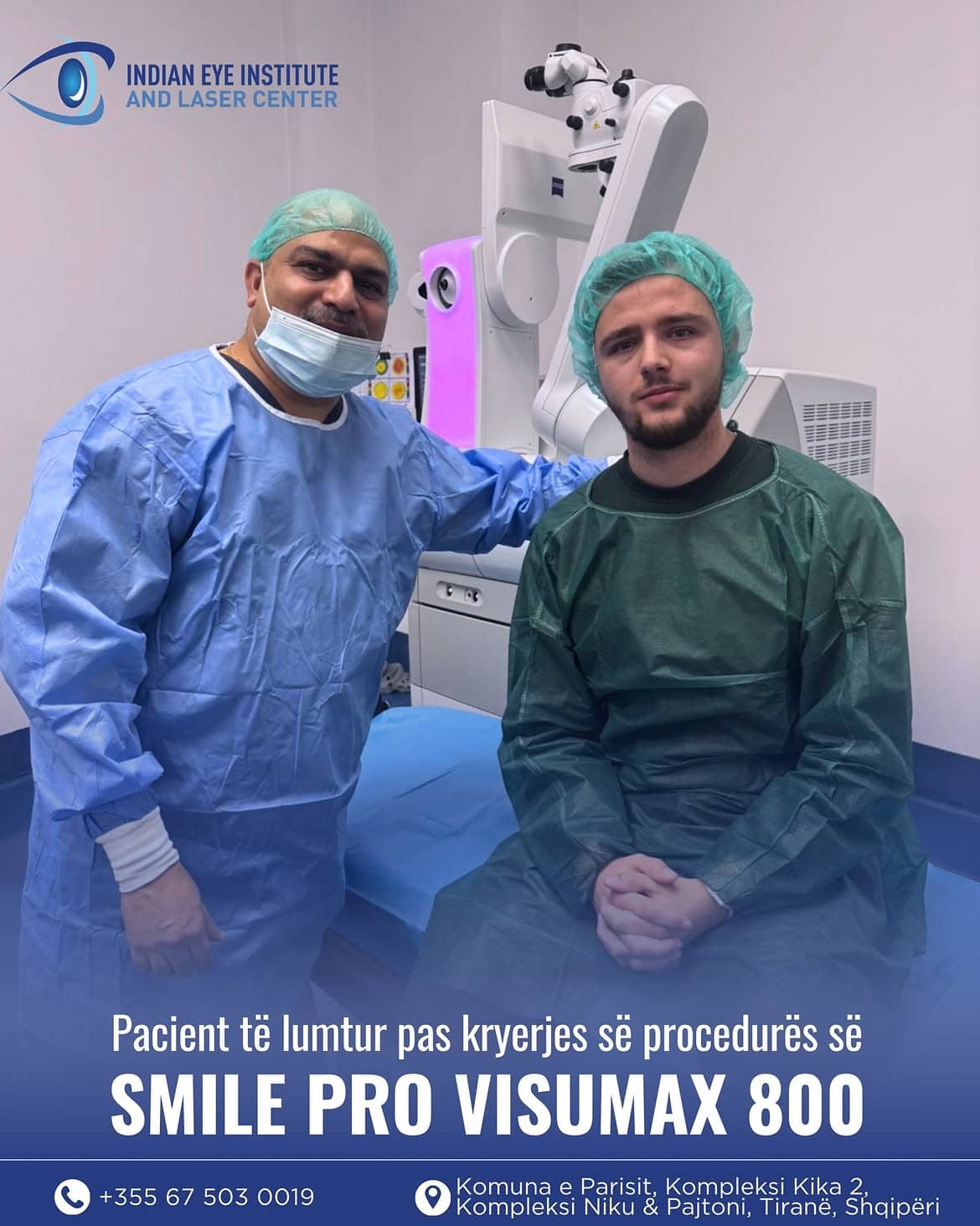
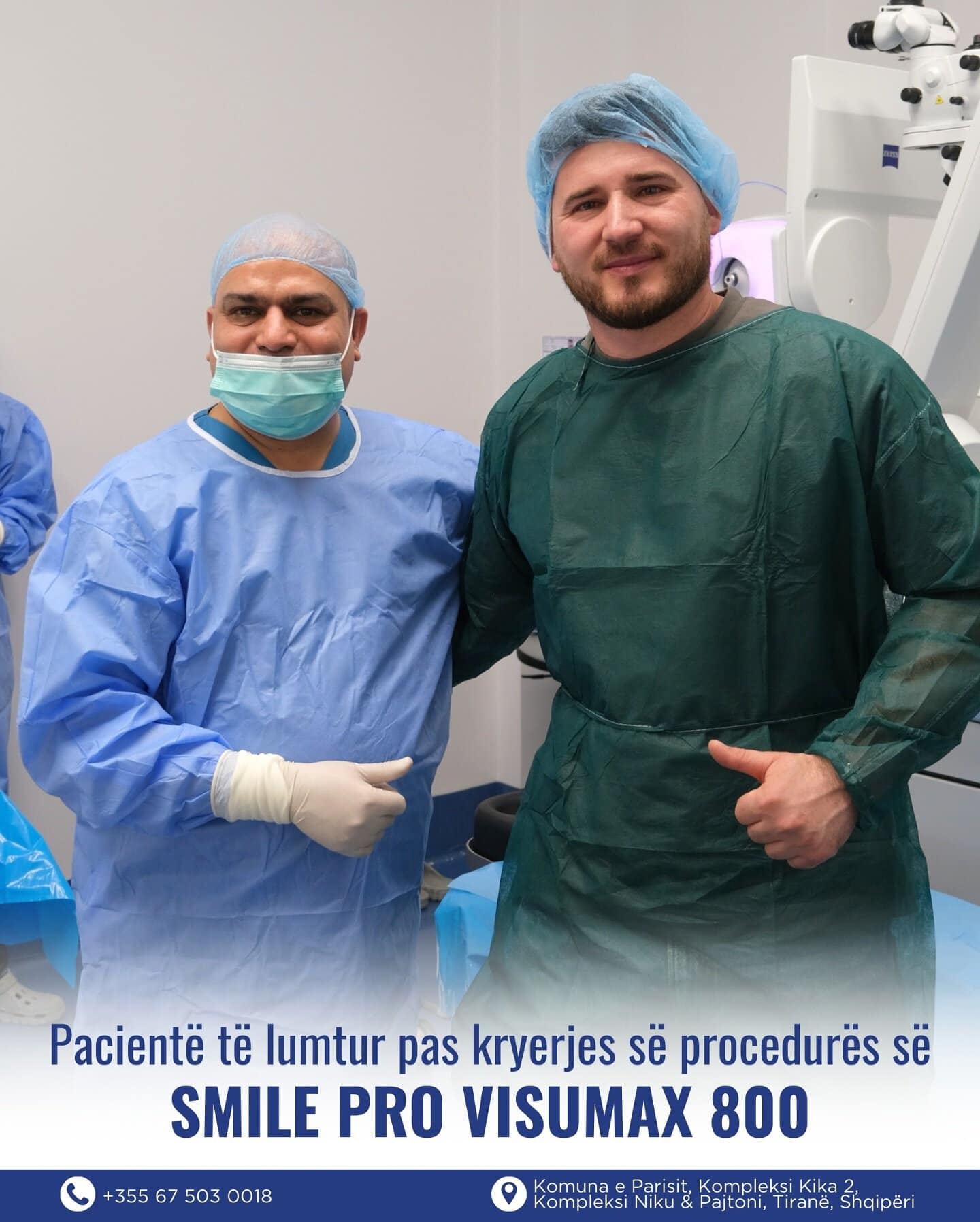
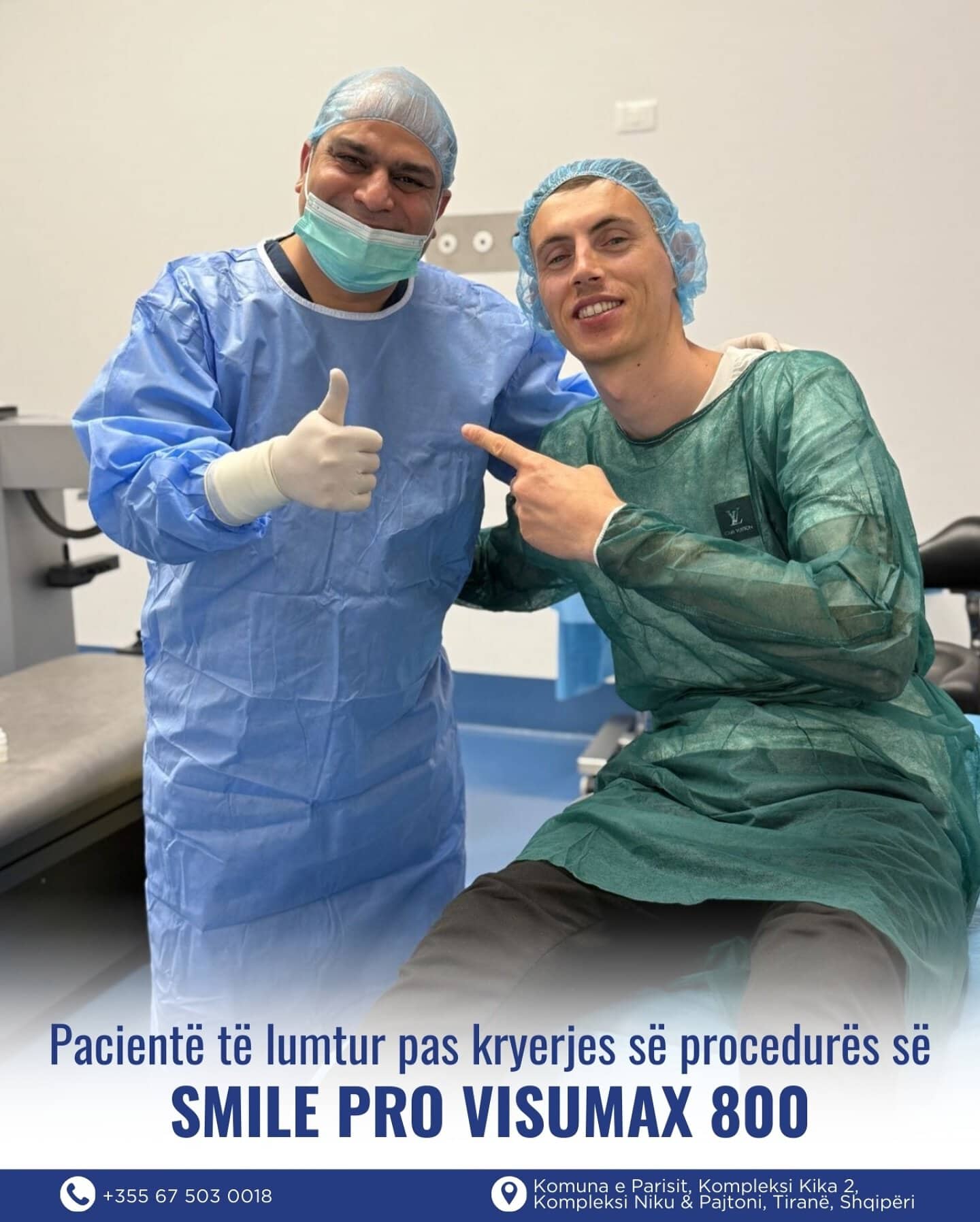
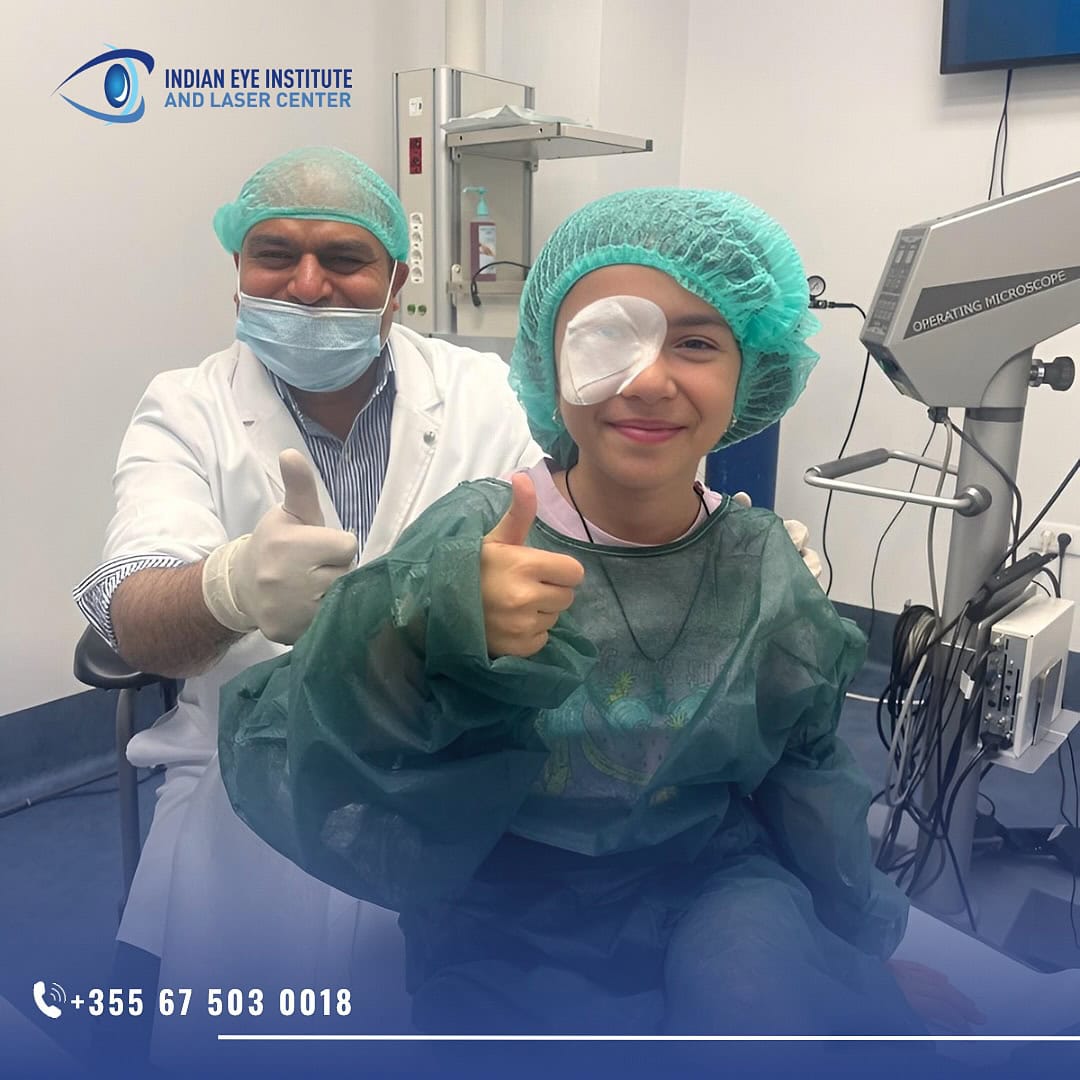
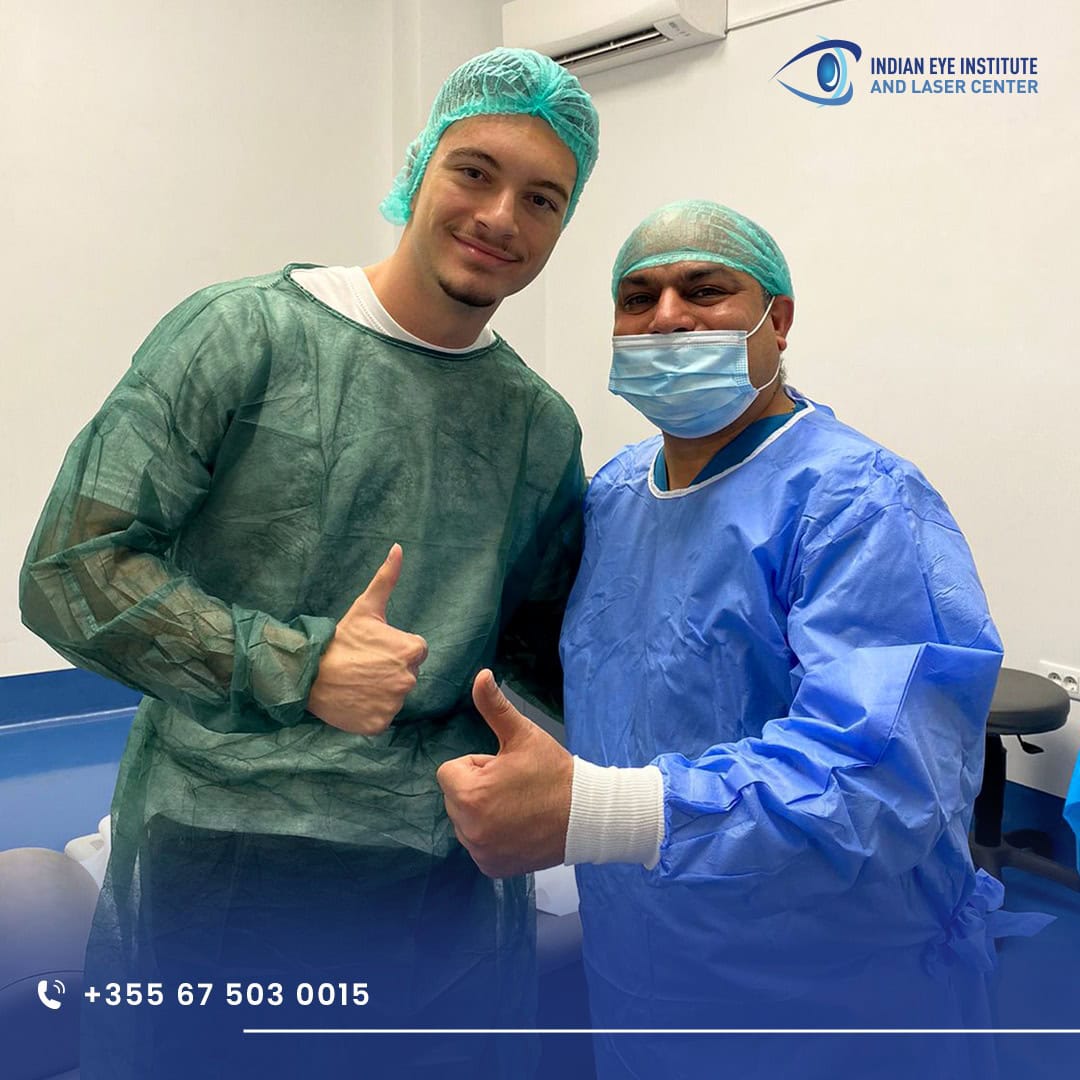
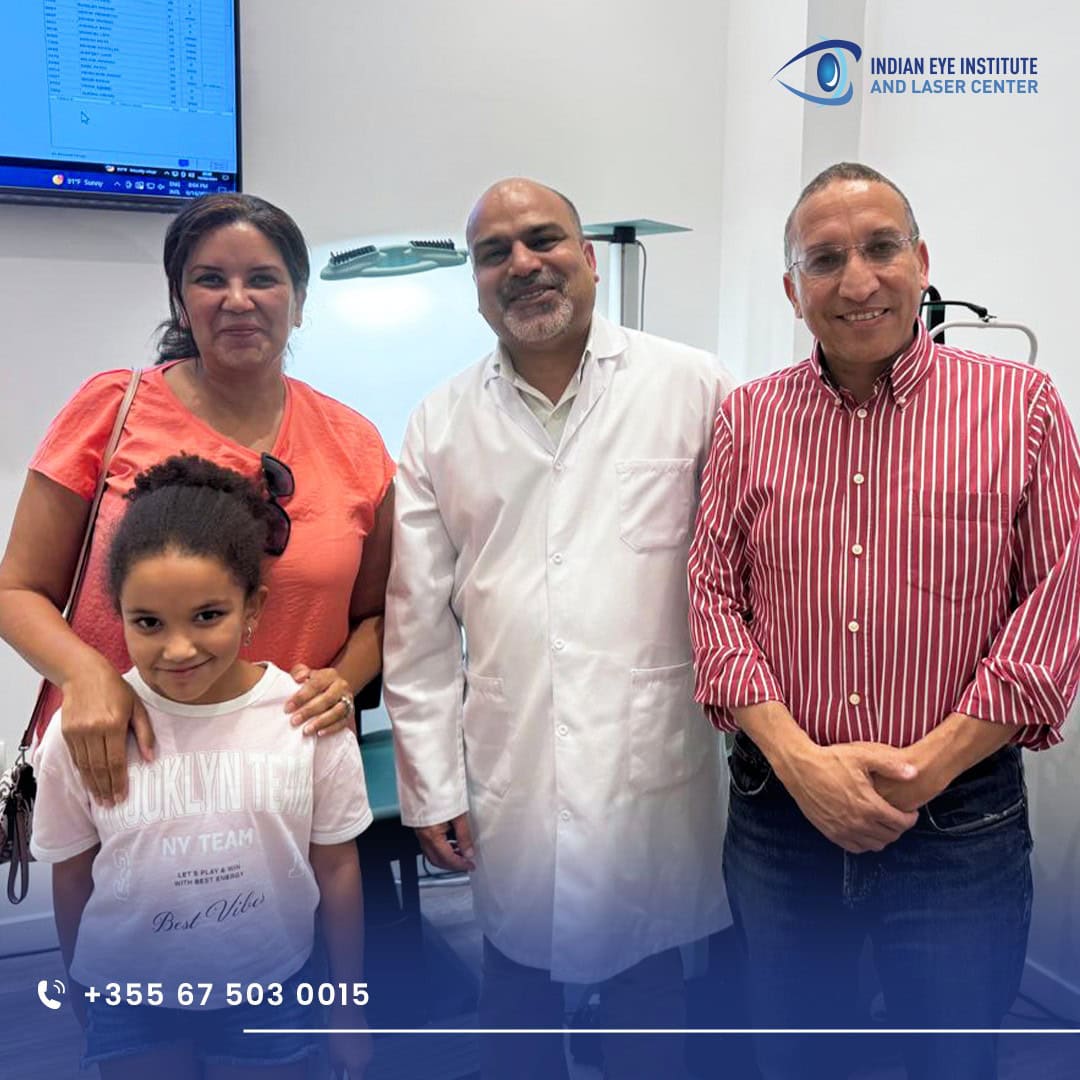
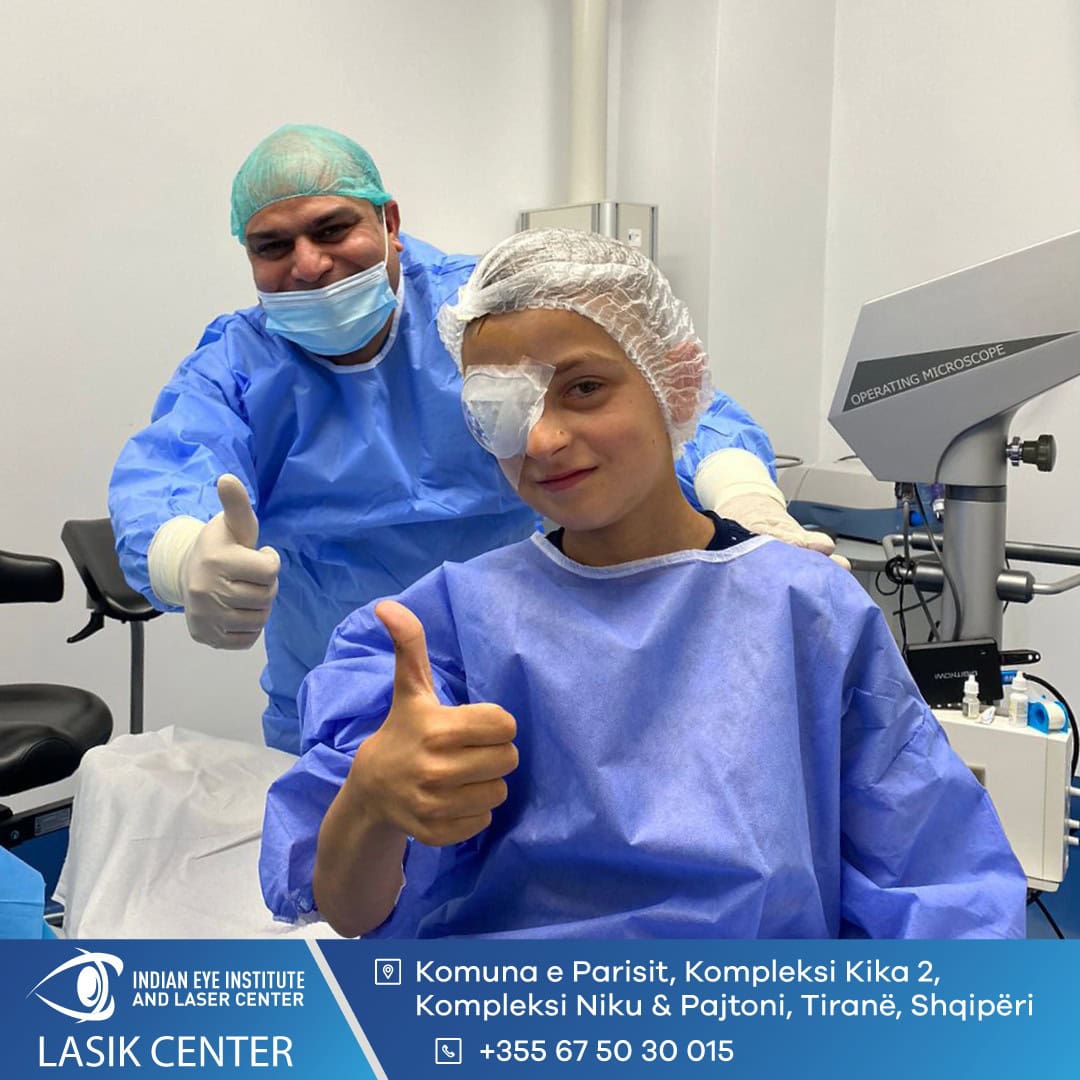
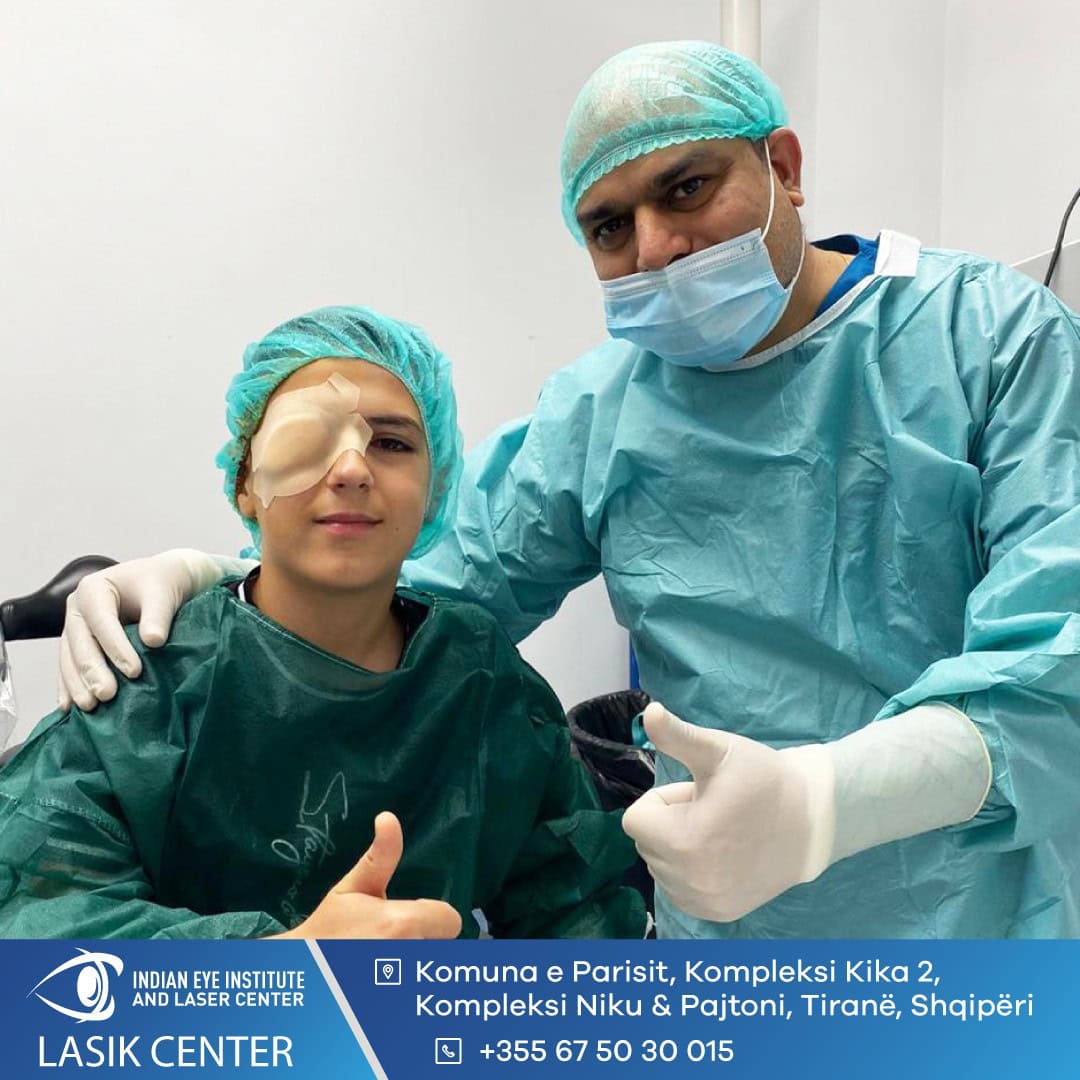
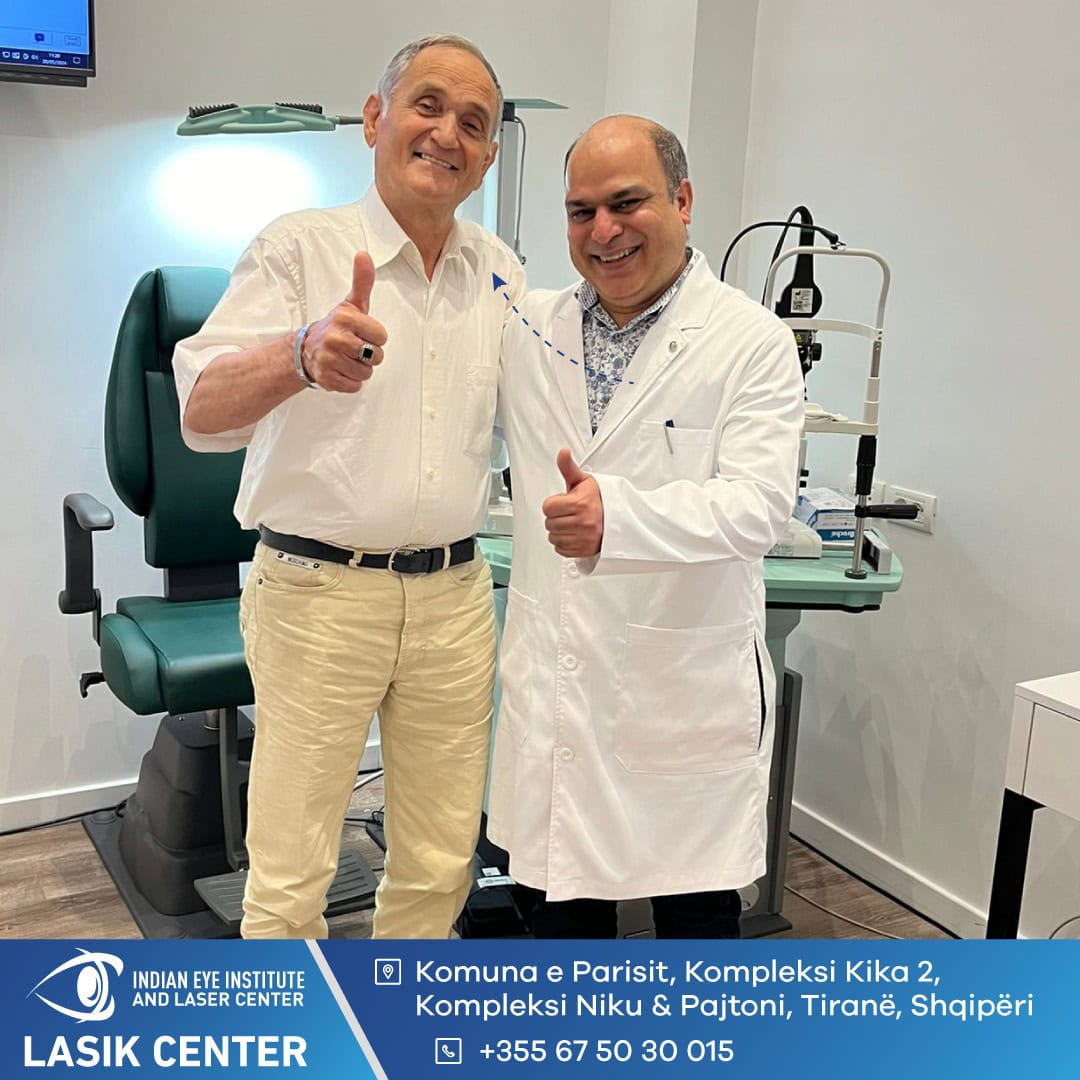
Moments with Our Patients











When Is Ocular Trauma an Emergency?
Serious eye injuries require immediate medical assessment. Seek emergency care if any of the following signs occur:
Sudden Vision Loss
Open wound or bleeding
Severe pain
Foreign body in the eye
Change in the shape of the eye
Flashes, floaters, or shadows
Types of Ocular Trauma
Treatment is determined by how the injury occurred and which structures of the eye have been damaged.
Closed-Globe Injury
A forceful blow can damage the internal structures without causing a full-thickness wound of the eye wall. Complications may include bleeding, lens damage, traumatic glaucoma, retinal tears, or retinal detachment.
Open-Globe Injury
A sharp object or severe impact can cause a wound to the cornea or sclera. These injuries require immediate protection of the eye and usually urgent surgical repair.
Intraocular Foreign Body
Fragments of metal, glass, stone, wood, or other materials may penetrate and remain inside the eye. Surgery may be required to close the wound, remove the foreign body, and repair the lens, vitreous, or retina.
Blast injuries can simultaneously damage the cornea, lens, and retina. In these cases, end-to-end eye surgery may be required, combining corneal transplantation and vitrectomy during the same procedure.
What to Do after an Eye Injury?
Proper first aid can help prevent further damage while an urgent assessment by an ophthalmologist is being arranged.
Do not rub or press on the eye: Avoid applying any pressure to the eye, especially if an open wound is suspected.
Do not remove an embedded object: Leave the object in place and seek immediate medical attention.
Protect the eye without applying pressure: If possible, use a rigid eye shield. Do not apply a tight bandage or gauze dressing.
Rinse chemical injuries immediately: Flush the eye continuously with clean water or saline solution and seek urgent medical attention.
Benefits of Ocular Trauma Surgery
The primary goals of surgery are to preserve the eye, protect the remaining vision, and reduce the risk of further complications. The outcome depends on the extent of the initial injury.
Restoring the Integrity of the Eye
Foreign Body Removal
Repairing Damaged Structures
Protecting Remaining Vision
Advanced Ocular Trauma Treatment
Wound and Corneal Repair
Open wounds of the cornea or sclera are carefully closed to restore the shape and integrity of the eye. Additional reconstruction may be required if the iris or natural lens has also been damaged.
- Closure of corneal or scleral wounds
- Repair of the iris and anterior segment
- Removal of the damaged lens
- Reconstruction with an intraocular lens
Vitrectomy and Foreign Body Removal
Vitrectomy removes blood, debris, and damaged portions of the vitreous. It also allows for the removal of an intraocular foreign body and the treatment of retinal injuries.
- Clearing vitreous hemorrhage
- Removal of the intraocular foreign body
- Repair of retinal tears or detachment
- Laser treatment or internal retinal support
End-to-End Ocular Surgery
This procedure is used for severe trauma affecting both the front and back of the eye. Dr. Nishant Taneja pioneered this approach in the region, combining corneal transplantation and vitrectomy during the same procedure.
- Severe blast injuries
- Combined corneal and retinal damage
- Damage to the lens and vitreous
- Reconstruction of multiple eye structures
What to Expect
01. Emergency Examination
The examination begins by gathering information about how and when the injury occurred. Vision, pupillary responses, eye movements, and the visible structures of both eyes are assessed. Intraocular pressure is measured only when an open-globe injury has been ruled out and the measurement is considered safe.
The eye is carefully examined with a slit lamp. Depending on the injury, a dilated retinal examination, orbital CT scan, ocular ultrasound, OCT, or other diagnostic tests may be required.
The examination determines whether the cornea, sclera, iris, lens, vitreous, retina, optic nerve, or structures surrounding the eye have been damaged. It also helps identify foreign bodies and plan the procedure.
02. Procedure
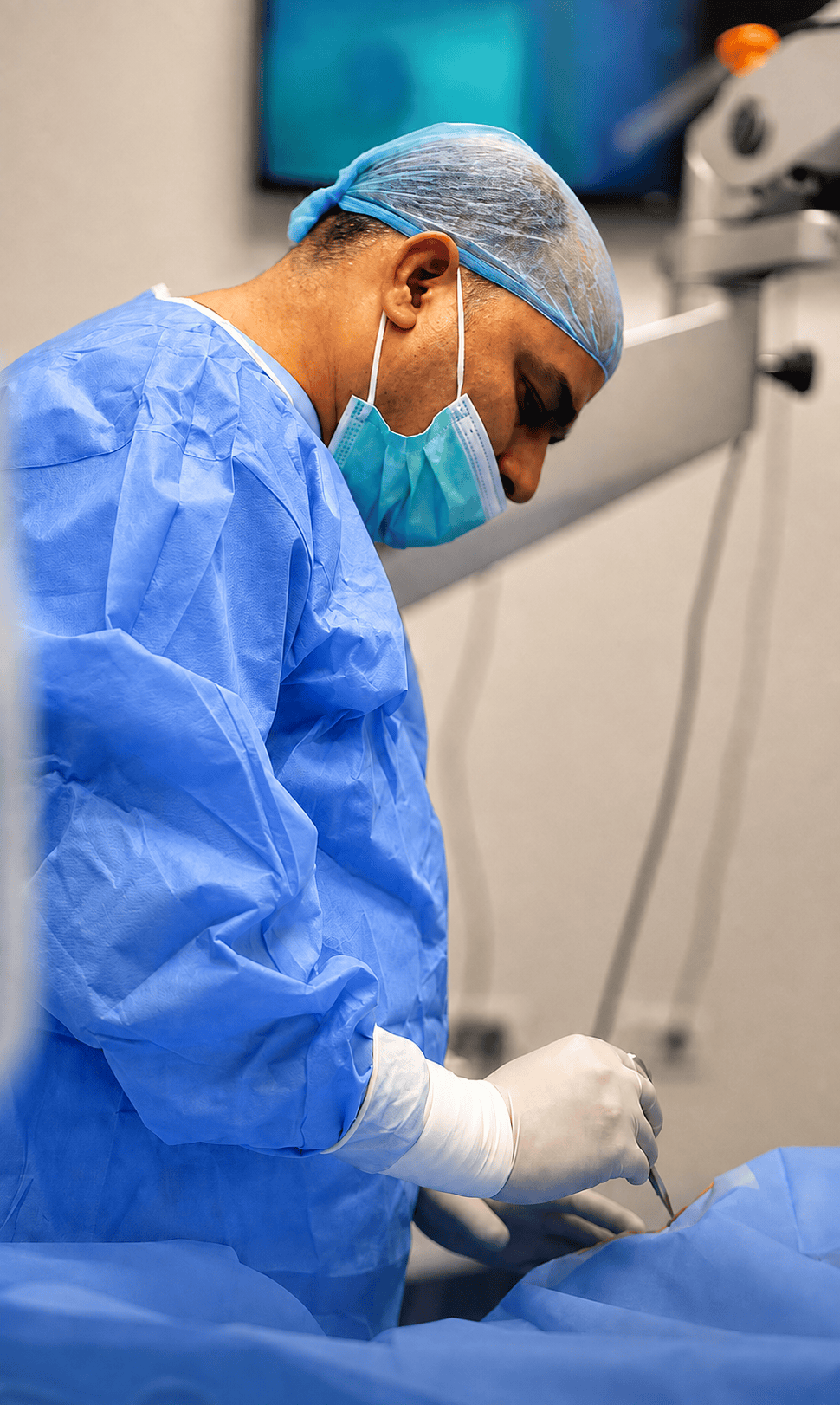
Ocular trauma surgery is performed in accredited hospitals and usually requires an overnight stay. Depending on the nature of the injury and the planned procedure, local anesthesia with sedation or general anesthesia may be used.
Treatment may include wound closure, corneal repair or transplantation, removal of the damaged lens, removal of an intraocular foreign body, vitrectomy, laser treatment, or retinal detachment repair.
In severe end-to-end ocular trauma affecting the cornea, lens, and retina, corneal transplantation and vitrectomy may be performed during the same procedure. This approach may be required following blast injuries or other injuries affecting multiple eye structures.
The duration and number of procedures depend on the extent of the damage. Some injuries can be treated with a single operation, while others may require several stages of reconstruction.
03. Recovery and Long-Term Care
Recovery varies depending on the severity of the injury and the procedures performed. The patient may require antibiotics, anti-inflammatory medication, eye pressure-lowering drops, and protection with an eye shield.
Follow-up appointments monitor wound healing, intraocular pressure, the condition of the retina, signs of infection, and visual recovery. Additional procedures may be required for lens reconstruction, corneal damage, retinal complications, or other consequences of the trauma.
During recovery, rubbing or pressing on the eye, excessive bending, heavy lifting, and strenuous physical activity should be avoided. Medications and eye drops must be used exactly as instructed by the doctor.
The prognosis depends on the nature of the trauma, the structures damaged, the presence of infection or a foreign body, and the condition of the retina and optic nerve. Increasing pain, severe redness, discharge, or sudden worsening of vision require urgent contact with the medical team.


Indian Eye Clinic Tirana: 15+ Years of Trust


Retina | Cataract | Refractive Surgery


The right care for a lifetime with clear vision
Every successful treatment begins with an accurate diagnosis and a personalized care plan. Discover the real stories of patients who trust Indian Eye Institute and Laser Center.


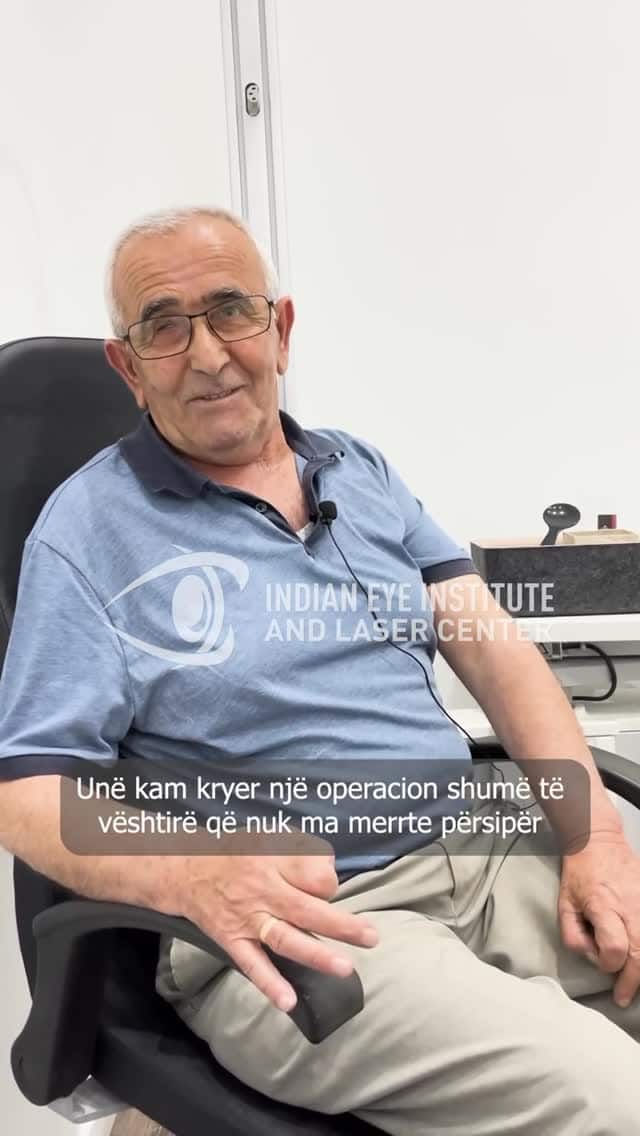


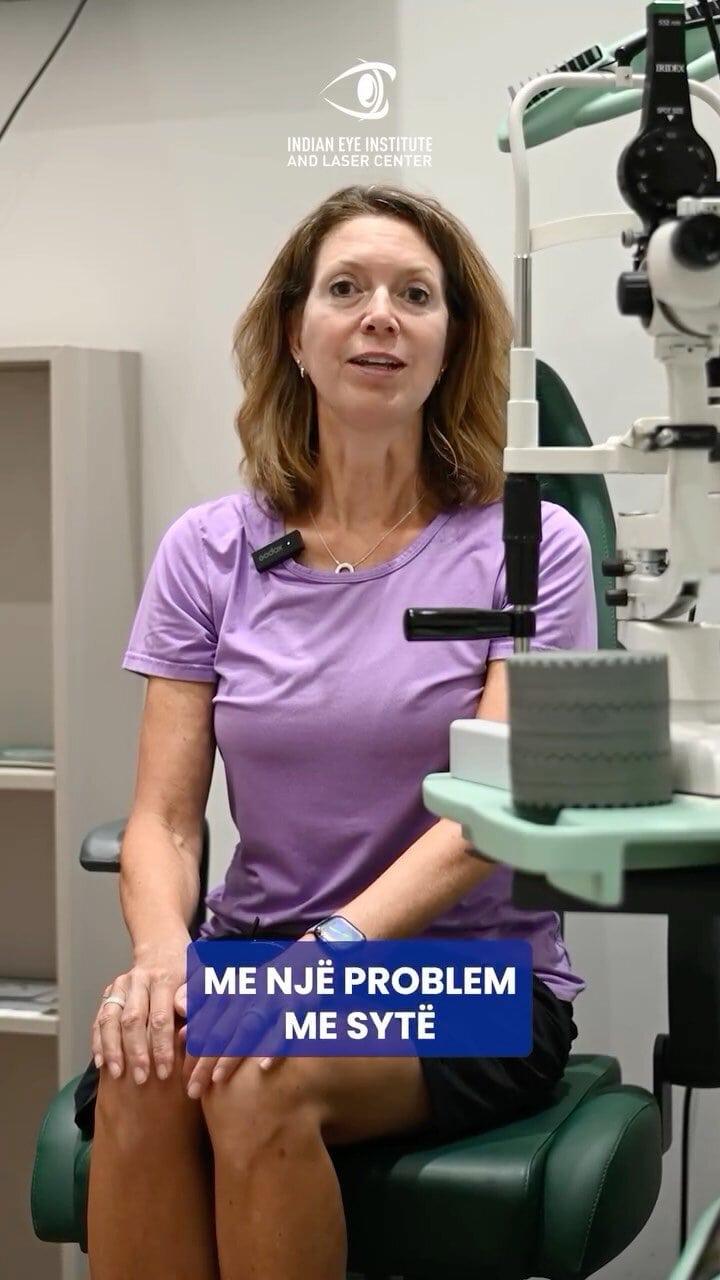



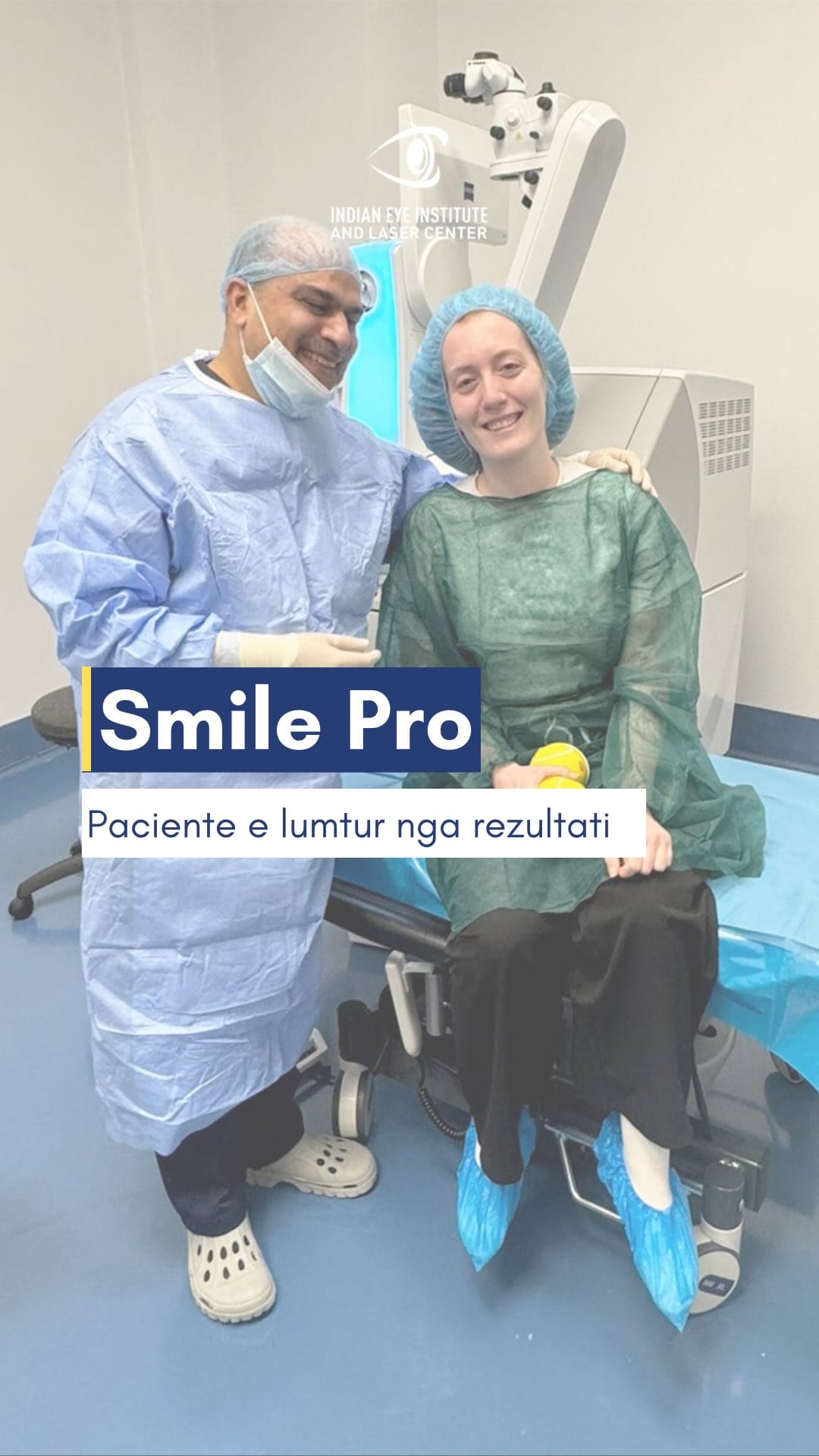


I have advanced glaucoma in both eyes and have undergone glaucoma and cataract surgery with Dr. Taneja. I have been receiving regular follow-up care from Dr. Taneja for the past 11 years.
I am very happy and satisfied with my experiences at Dr. Taneja’s clinic. The staff are helpful, knowledgeable, competent, and very pleasant. Dr. Taneja has worked diligently to preserve my vision, and I am extremely pleased with the care I have received. He deserves recognition for how good he is at what he does. I would recommend him 100% to anyone with serious eye problems.
I have suffered from a long-term problem with floaters in both eyes. Dr. Nishant Taneja is truly an expert in his field who allows patients to consider nonsurgical options as the first course of treatment. He is professional and courteous, treats patients with respect, and communicates clearly in terms that ordinary people can understand. I believe he is honest and straightforward, and he is taking excellent care of me.
I have been a patient of Dr. Nishant Taneja since 2010, when I was diagnosed with wet macular degeneration. He has treated me with Avastin, Eylea, and now brolucizumab, and I can still read large print.
I owe my sight to his treatments. He has taken excellent care of my eyes. The staff are absolutely outstanding in their courtesy and professionalism. I am 93 years old and can still read clearly. Thank you!
When I first came here, I thought I would go blind in my left eye. I was diagnosed with a vitreous hemorrhage caused by detachment of the vitreous gel. After the laser treatment, my vision returned to what it had been before.
I have received excellent medical care here. The entire staff have been very kind and have made everything much easier for me. I am very happy.
Many thanks to the entire staff. The whole process of my cataract surgery and the care I received were the best I have ever experienced at any medical practice. The staff and technology were first-rate. Dr. Taneja is simply phenomenal. Thank you again.
I underwent surgery for a retinal detachment last week. I experienced no pain during or after the operation. I slept well the following night without needing any pain medication. If anyone has questions about retinal surgery, please feel free to call me.
I am impressed by the high standard of patient care I received from Dr. Taneja at the Indian Eye Institute. I hold him in the highest regard.
I have had diabetes for over 30 years. Over the past 5 years, my vision gradually deteriorated. I had been receiving treatment from my ophthalmologist for the previous 4 years. The treatment involved injections, but the situation seemed to be getting worse. I could barely see well enough to drive, could not read anything on my phone, and began having difficulty recognizing people from a distance. I therefore decided to visit Dr. Nishant Taneja on the recommendation of my eye doctor. He was prompt, efficient, and professional. Within minutes, he had mapped out a treatment plan for both of my eyes and advised me to follow it. I was truly impressed by his energy, optimism, and confidence.
After several injections and laser treatments, he said that I needed a vitrectomy in my left eye. It went perfectly, without any complications. My vision in that eye was restored to 20/20. I felt as though I were opening my eyes for the first time.
After I recovered from that procedure, Dr. Taneja said that my right eye also needed surgery. So, without hesitation, I had that eye treated as well. I now have 20/20 vision in both eyes, and everything is wonderful.
I can now see my two young grandchildren clearly. This has improved my quality of life tremendously. Without a doubt, I am probably the happiest patient Dr. Taneja has ever had!
I am delighted to express my appreciation for Dr. Taneja and his exceptional staff.
If you are reading this review while deciding on a retina specialist, you have definitely come to the right place! An excellent doctor and staff. I am more than completely satisfied!
I believe Dr. Taneja is an exceptionally talented surgeon.
I began wearing glasses and contact lenses at the age of 12. I relied on them to see and read. During the spring, pollen irritated my eyes, and I could no longer wear my contact lenses.
After the procedures performed by Dr. Taneja, I went from being unable to see to having clear vision without contact lenses or glasses.
I would recommend Dr. Nishant Taneja for any procedure he performs. He is highly meticulous, compassionate, and understanding.
He worked a miracle for me. I thank God for his talent.
Patient Education Videos
View All
The SMILE Pro Procedure
Chemical Eye Injuries
Diabetic Retinopathy
Signs That Should Not Be Ignored
Examination and Treatment
Download the Guides Free for Patients

Frequently Asked Questions
Do not rub or press on the eye, and do not use any drops or ointments unless instructed by a doctor. Do not attempt to remove an object embedded in the eye. Protect the eye without applying pressure and seek immediate medical attention, especially if you experience pain, bleeding, or changes in vision.
Yes. The first operation usually aims to close the wound, preserve the integrity of the eye, and treat urgent injuries. Depending on the condition of the cornea, lens, vitreous, and retina, additional procedures may be required to reconstruct the eye or improve vision.
Recovery depends on the severity of the injury and the procedures performed. Initial healing may take several weeks, while vision may continue to improve for several months. Severe trauma may require more than one operation. Returning to work, driving, and physical activity are permitted only after an examination and approval by the surgeon.
Only with the surgeon's approval. If an air or gas bubble was placed inside the eye during vitrectomy, flying and travel to high altitudes are prohibited until the bubble has been fully absorbed. Changes in atmospheric pressure can cause a dangerous increase in pressure inside the eye.

Take the First Step Toward Better Vision.
Fill out the form below and our team will contact you
to schedule a consultation and answer your questions.