



Cataract Surgery
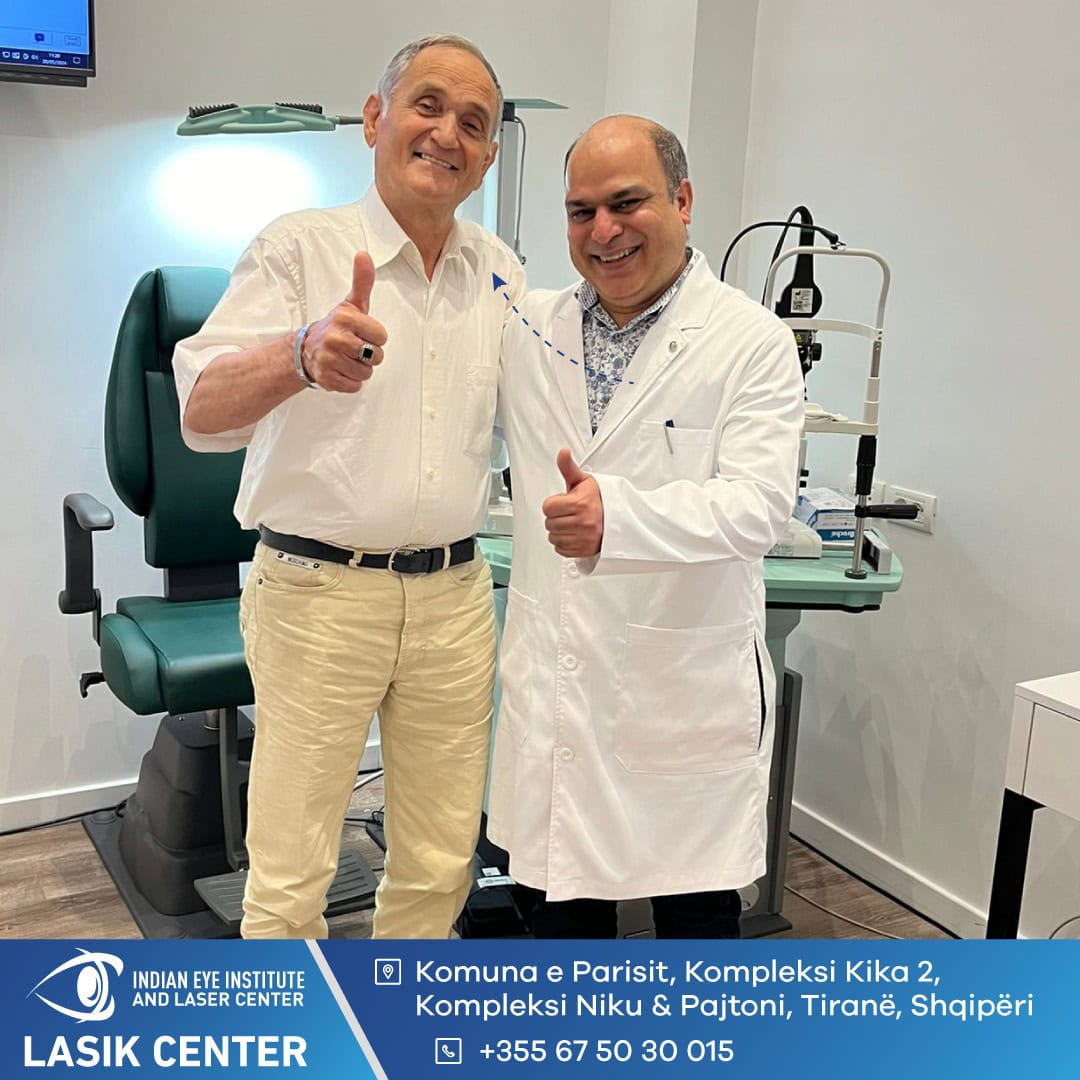
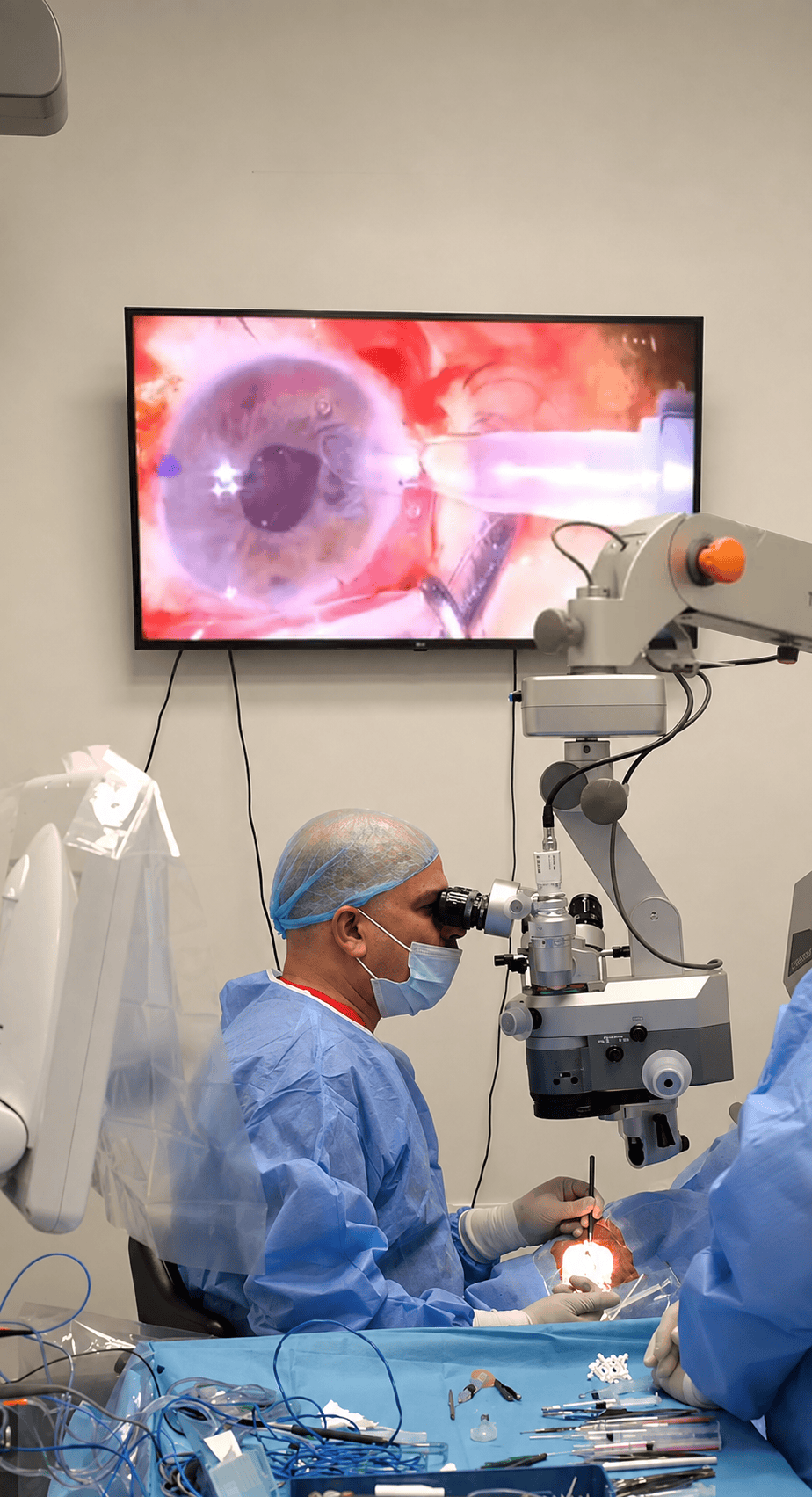
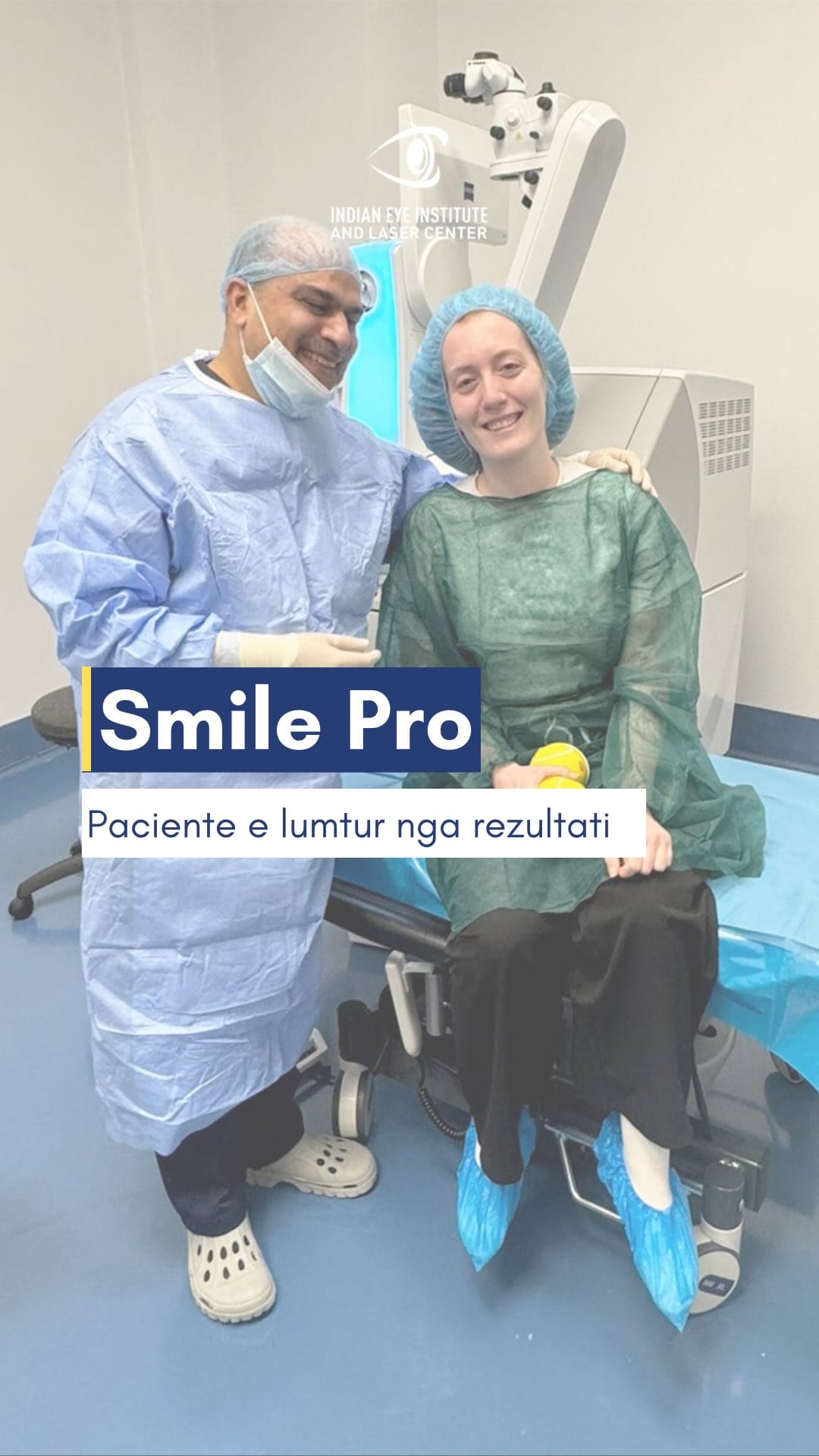
Cataract surgery under the care of Dr. Nishant Taneja at the Indian Eye Institute and Laser Center in Tirana. During the procedure, the clouded natural lens is removed and replaced with an artificial intraocular lens, with the aim of improving visual clarity.
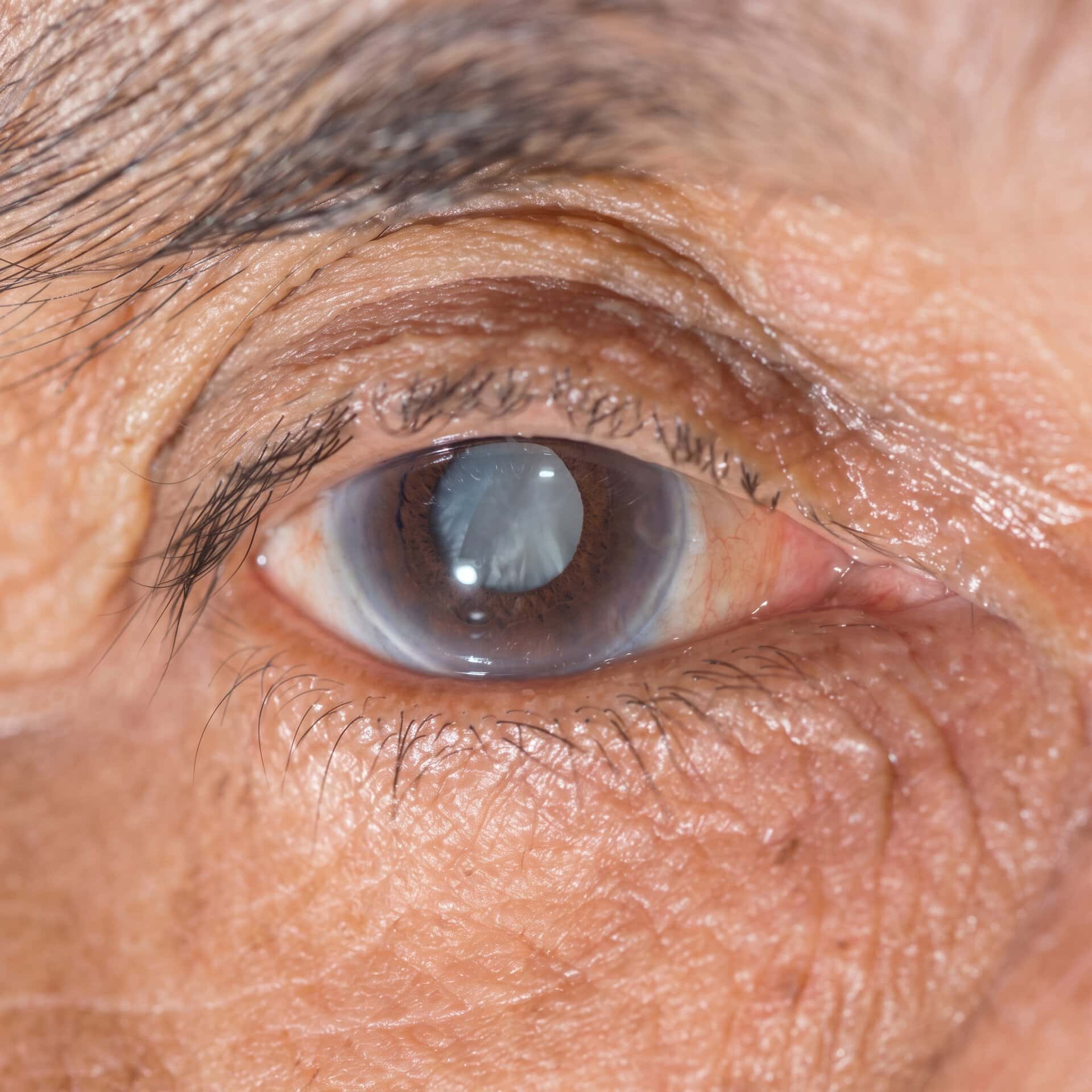
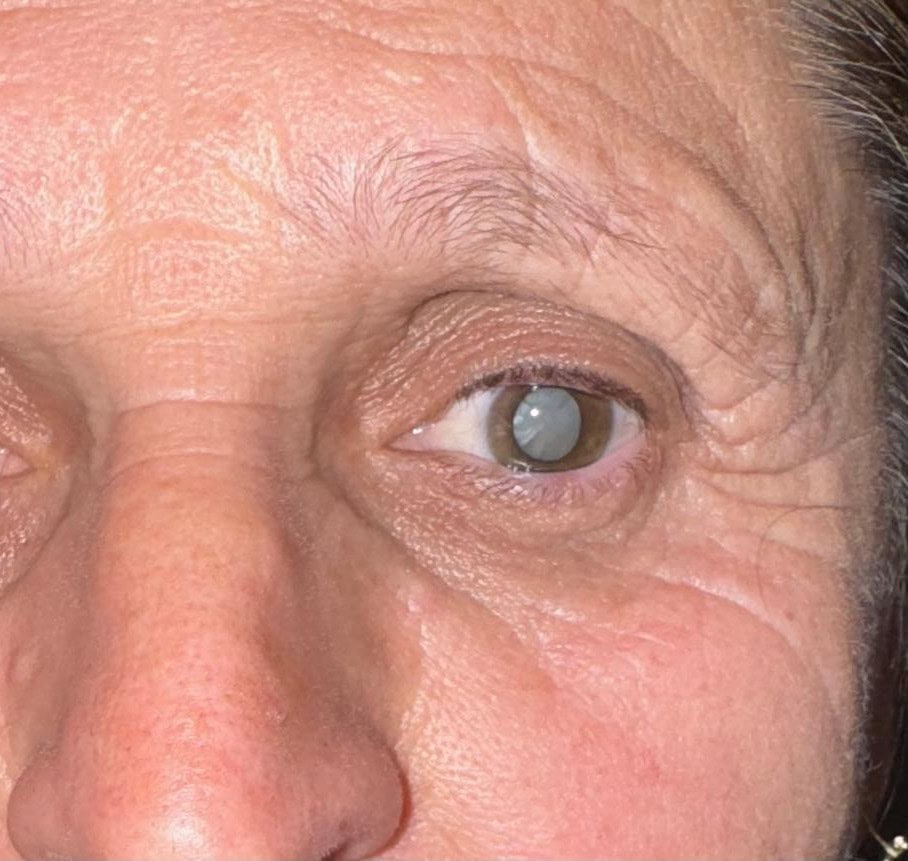
What Is a Cataract?
A cataract is a clouding of the eye’s natural lens. The lens is normally transparent and helps focus light onto the retina.
The loss of transparency prevents a clear image from forming, causing blurred vision, glare, faded colors, and difficulty seeing in low-light conditions.
Surgery is the only treatment that removes a cataract. During the procedure, the clouded lens is replaced with an artificial intraocular lens, which remains permanently in the eye.
Dr. Nishant Taneja has extensive experience in both routine and complex cataract surgery. His training and surgical experience enable him to select the most suitable lens and refractive outcome for each patient. He also trains the next generation of ophthalmologists in these procedures.
CATARACT SURGERY AT A GLANCE
Duration:
Recovery:
Anesthesia:
Clinical experience:
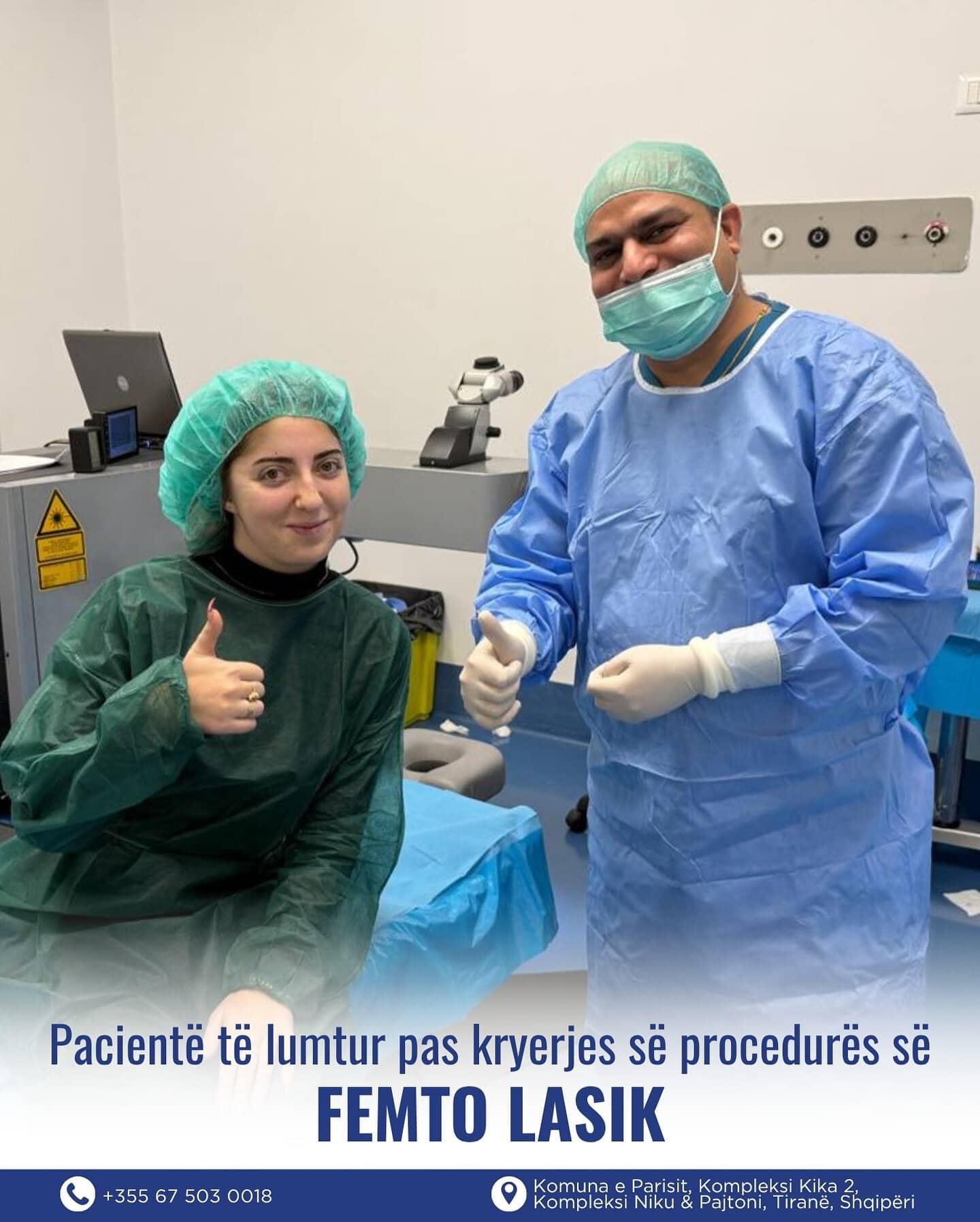
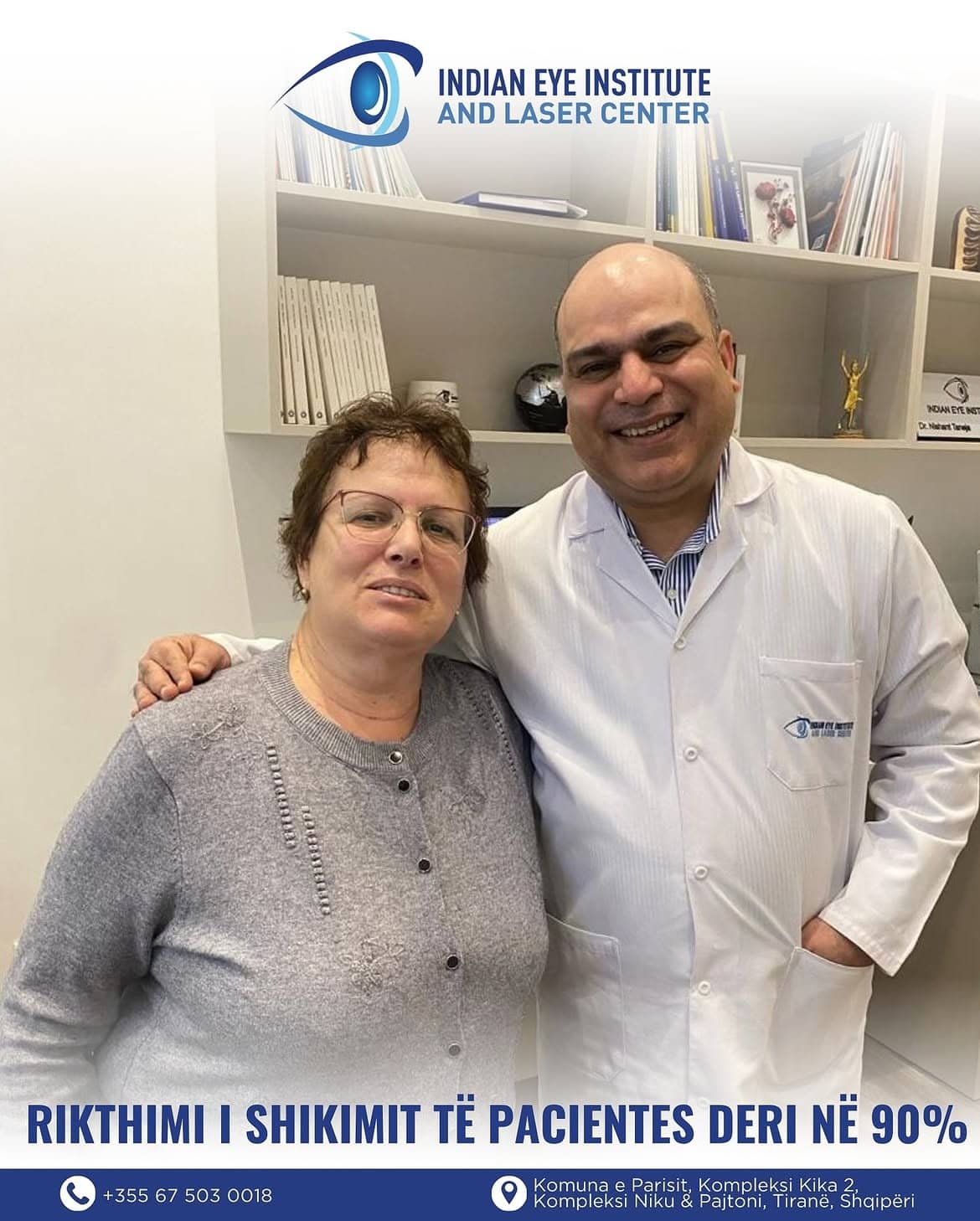
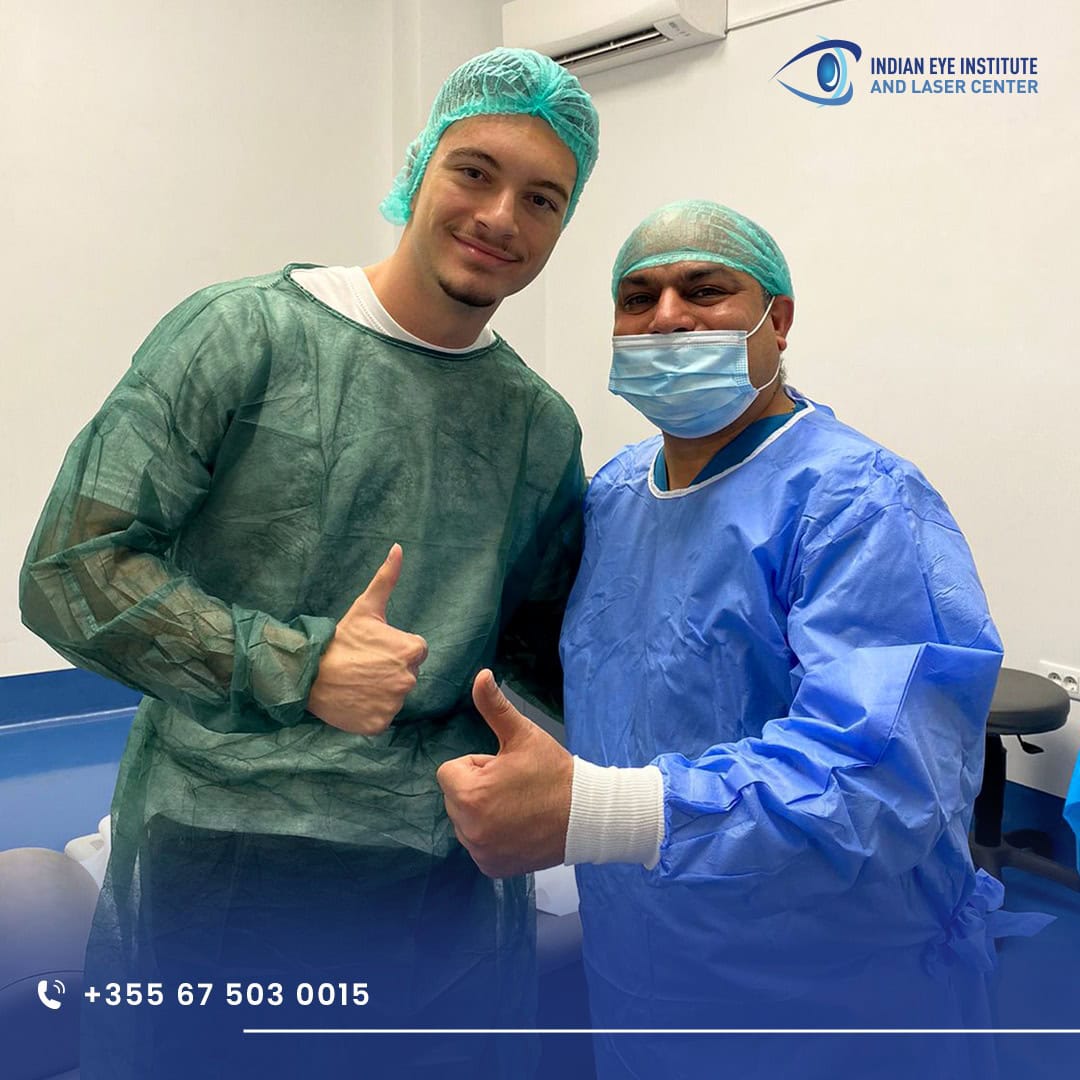
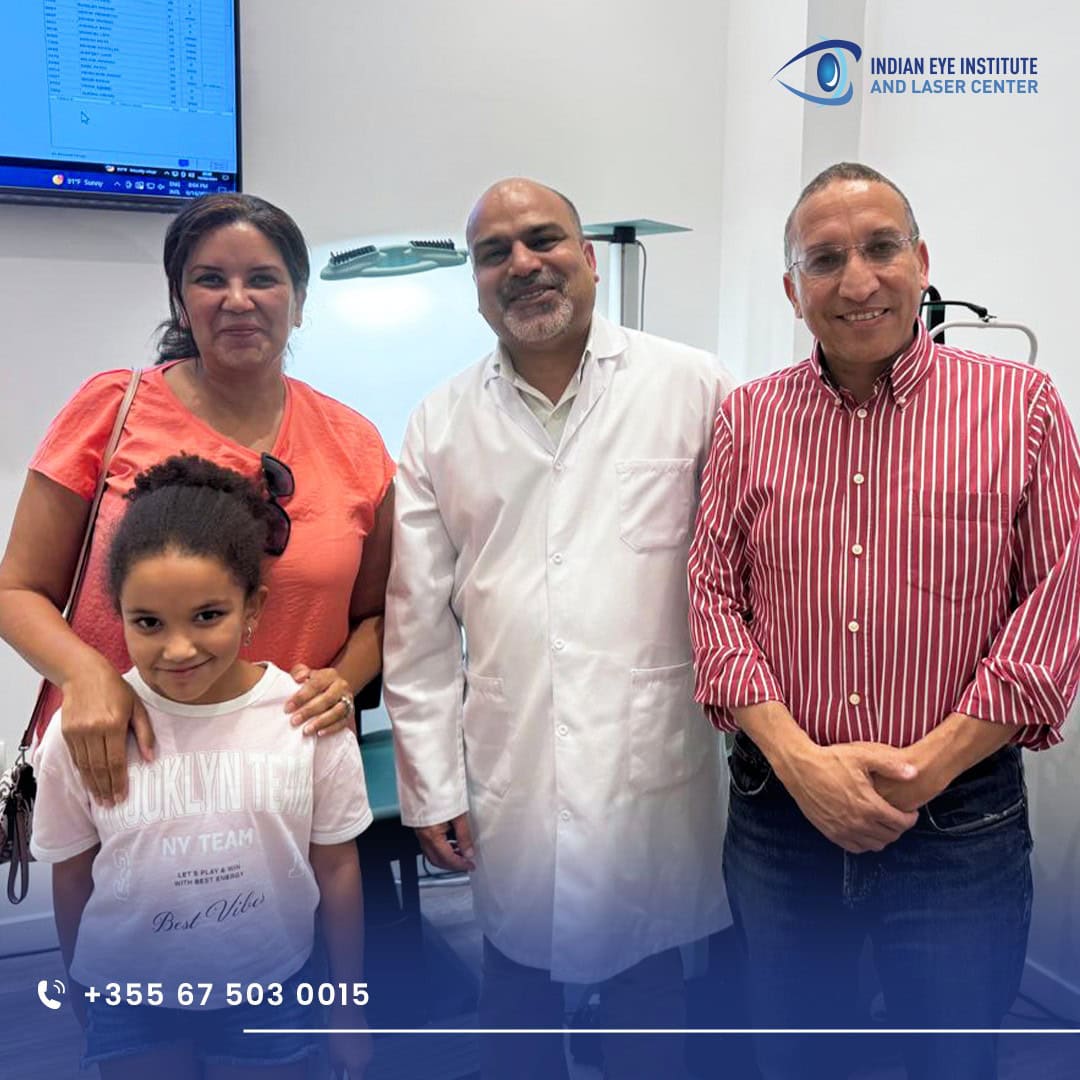
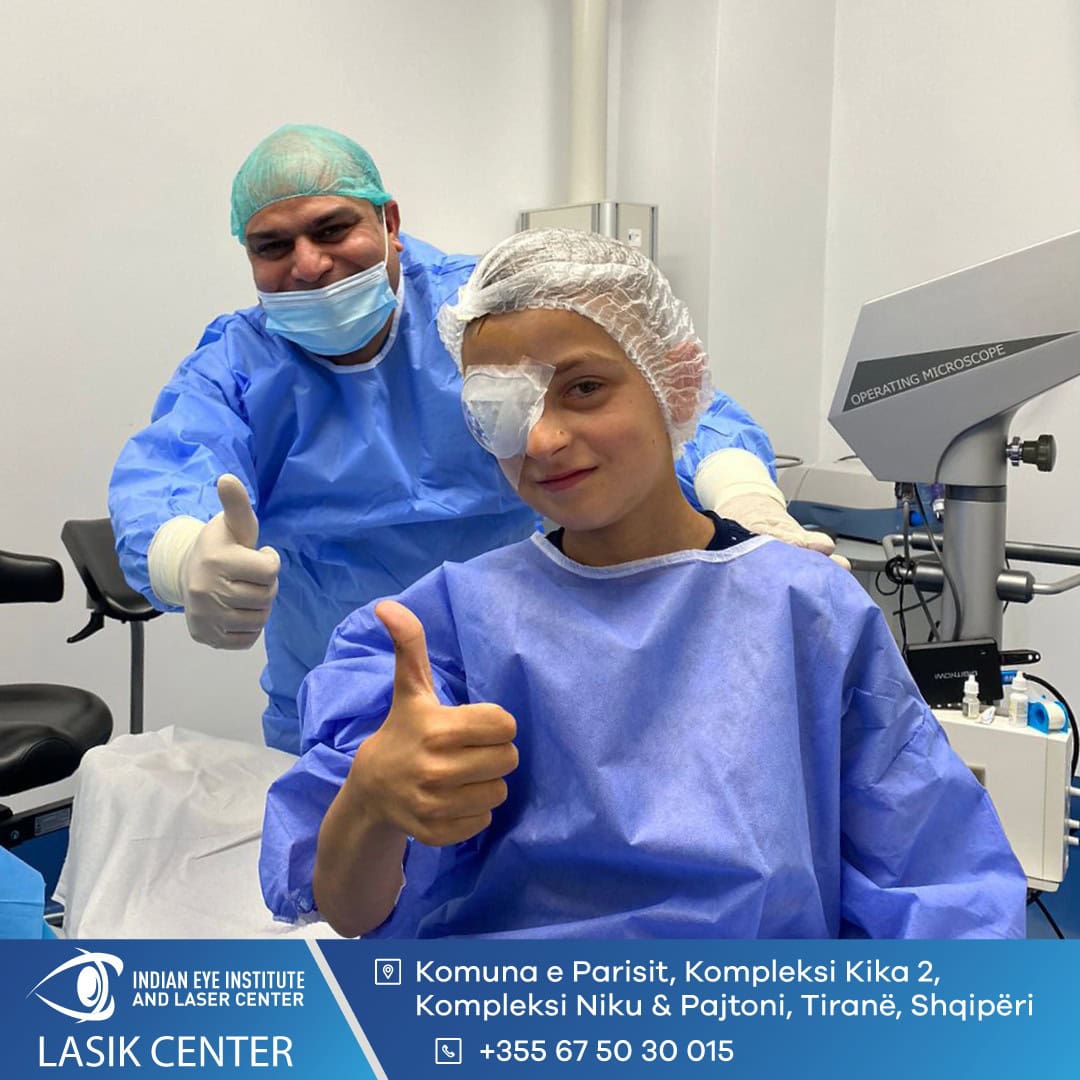
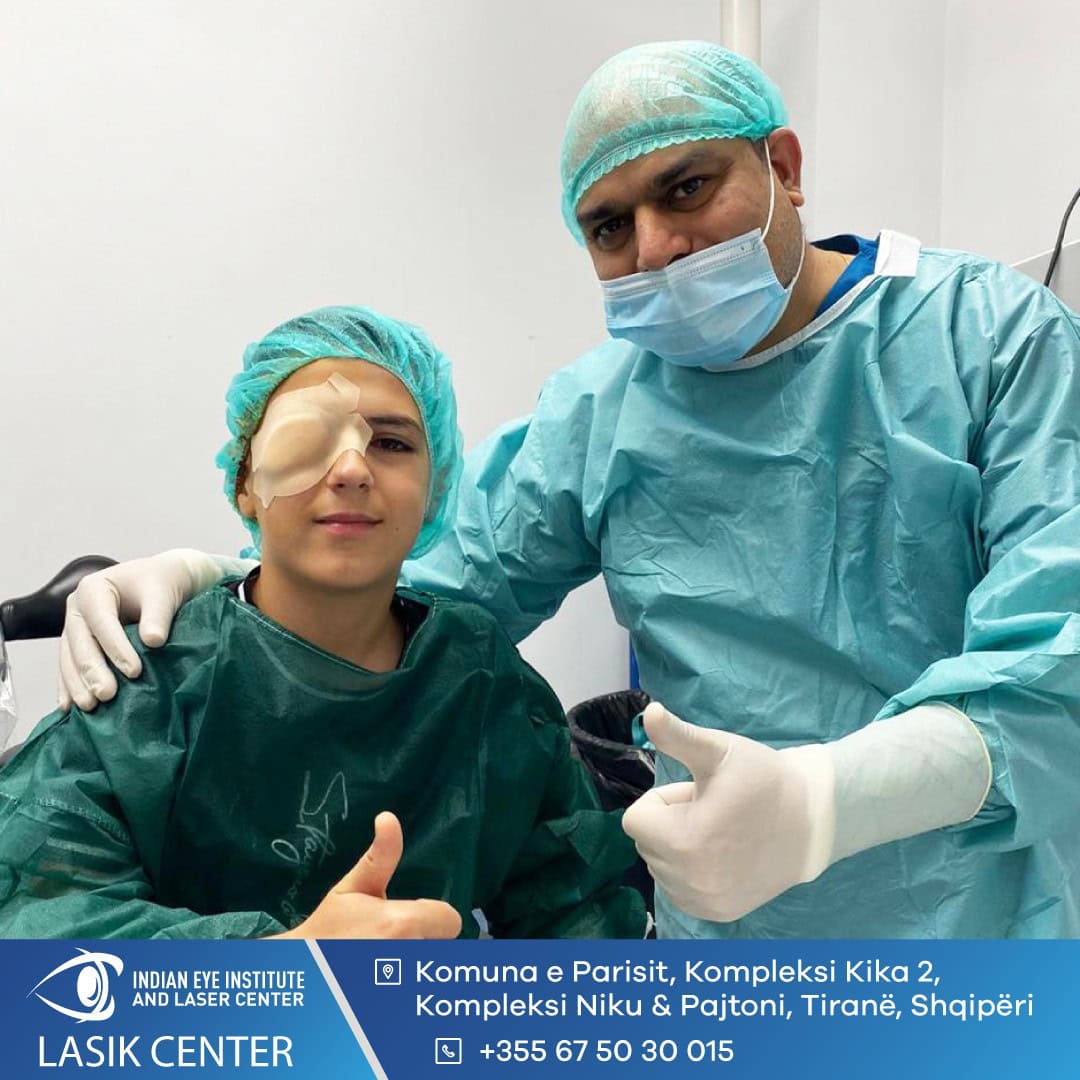
PHOTO GALLERY
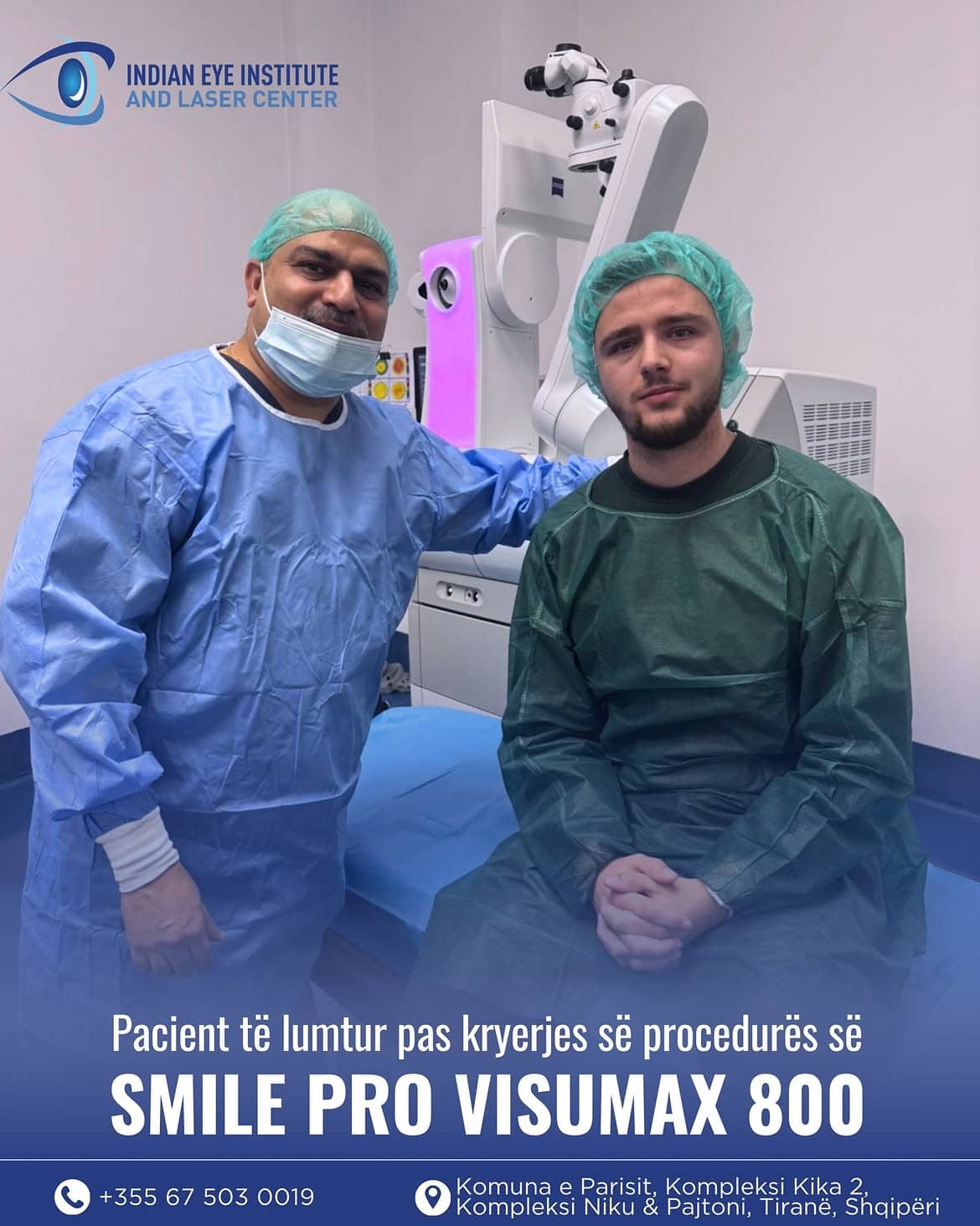
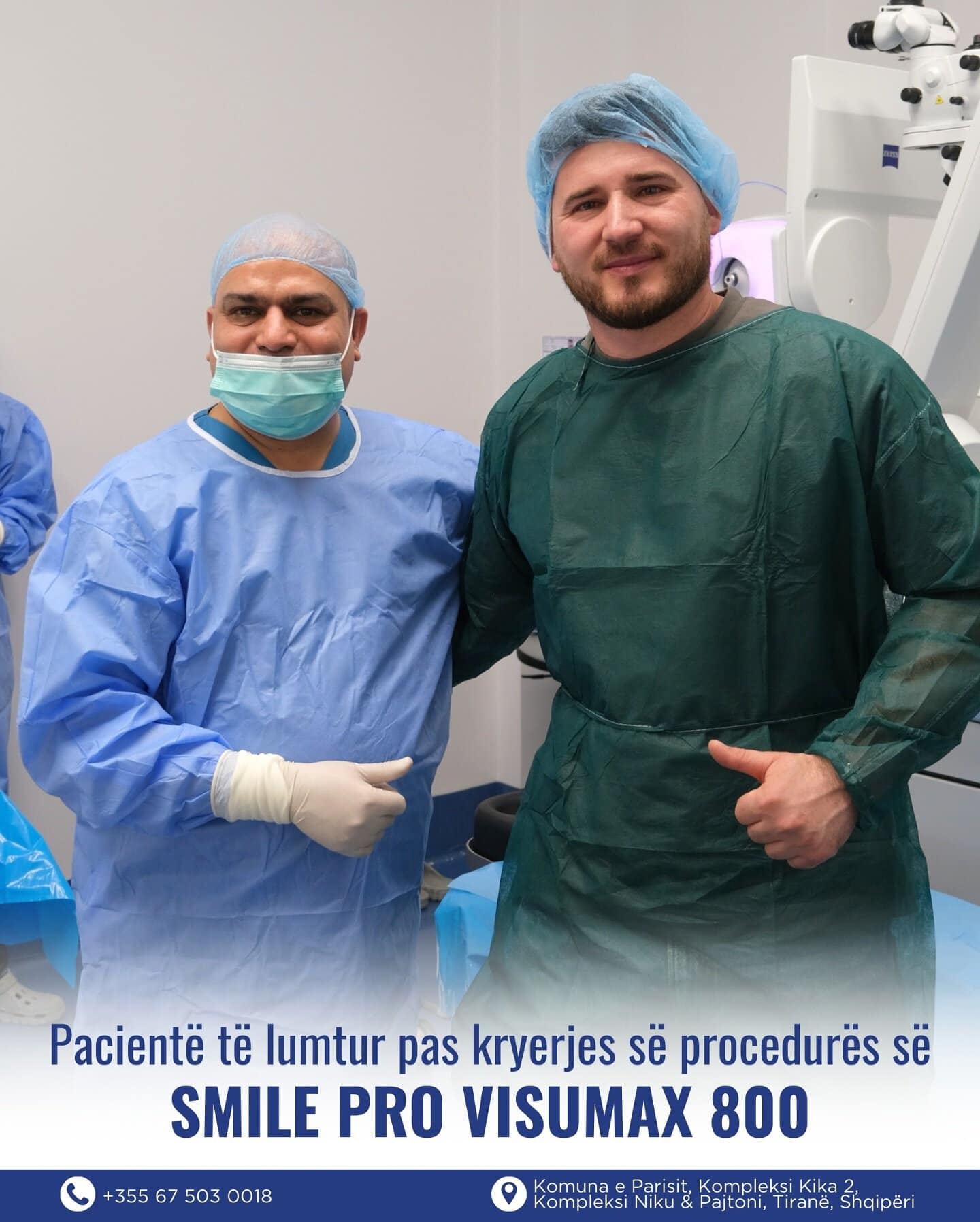
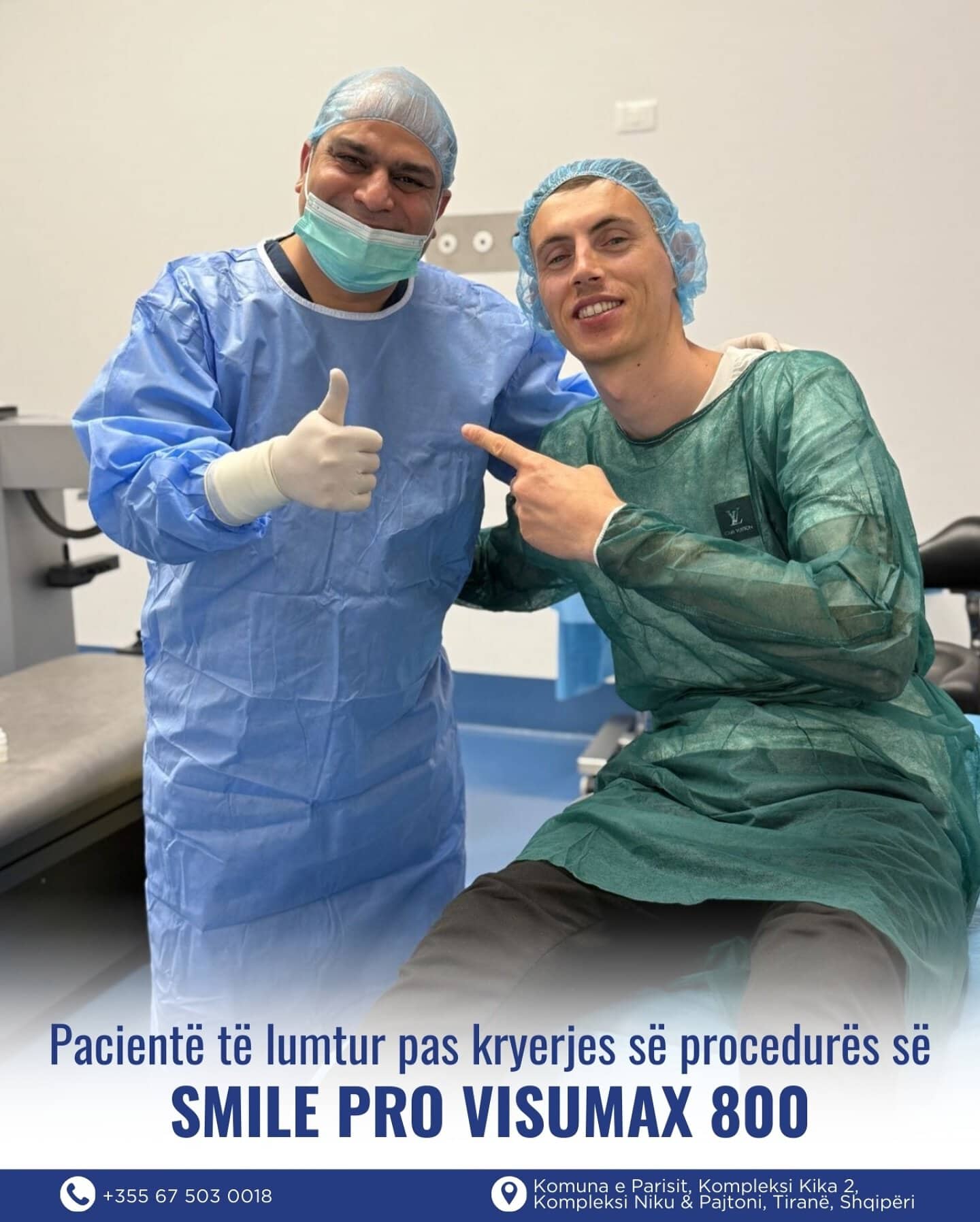
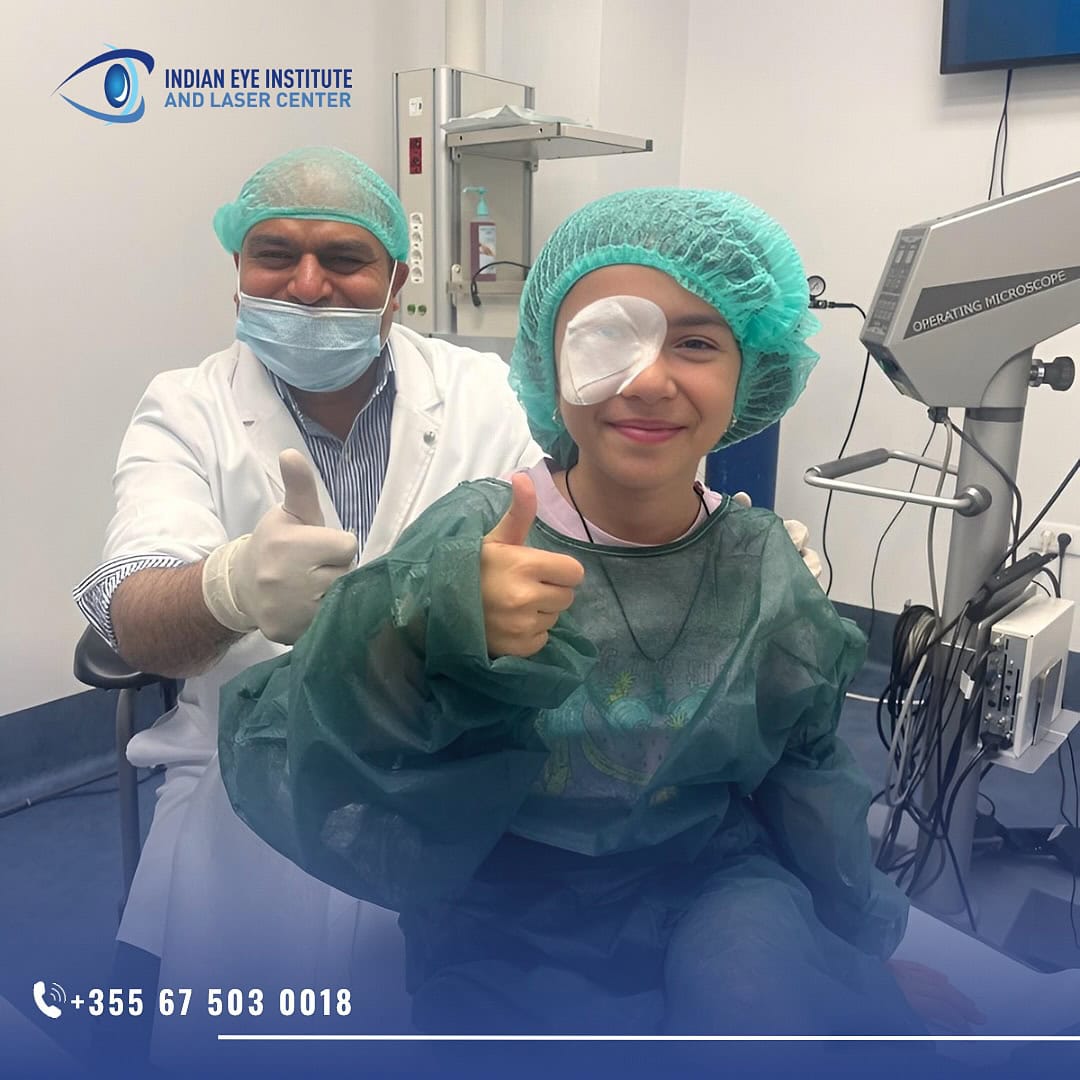
Moments with Our Patients











What Are the Symptoms of Cataracts?
Cataracts usually develop gradually. Surgery may be considered when changes in vision begin to affect daily activities.
Blurred Vision Due to Cataracts
Glare
Difficulty at Night
Faded Colors
Frequent Changes in Prescription
Double Vision in One Eye
Treatment and Lens Selection
Surgery is recommended when a cataract affects reading, driving, work, and other daily activities. The timing of surgery and the intraocular lens are selected individually.
When Is Surgery Recommended?
In the early stages, new glasses or better lighting may help temporarily. As the cataract progresses, these measures may no longer provide adequate vision.
Surgery may be recommended when blurred vision, glare, or difficulty seeing at night limits the patient’s independence and activities.
The decision is not based solely on the severity of the cataract. Dr. Taneja considers the patient’s vision, overall eye health, occupation, lifestyle, and individual needs.
Cataract Removal and Lens Implantation
During the procedure, several small incisions are made in the eye. The cloudy lens is broken up using ultrasound energy and then removed in a controlled manner.
An artificial acrylic intraocular lens is placed in the lens capsule. The lens remains permanently in the eye and requires no daily cleaning or maintenance.
Most patients experience improved vision after cataract surgery. The final outcome may be affected by the condition of the cornea, retina, optic nerve, and other structures of the eye.
Intraocular Lens Selection
Before surgery, detailed measurements are taken to calculate the power of the intraocular lens. The selection depends on the prescription, astigmatism, condition of the eye, and the desired refractive outcome.
Depending on suitability, monofocal, toric, multifocal, or extended-depth-of-focus lenses may be considered. Each lens has different benefits and limitations.
Dr. Nishant Taneja discusses the patient’s needs for reading, computer work, driving, and other activities before recommending a lens. The potential need for glasses after surgery is explained during the consultation.
Benefits of Cataract Surgery
The surgery aims to remove the cloudy natural lens, improve visual quality, and help the patient return to daily activities more easily.
Clearer Vision
Reduced Glare
Improved Color and Contrast
Permanent Intraocular Lens
Outpatient Procedure
Personalized Cataract Surgery Solutions
Phacoemulsification and Lens Implantation
Phacoemulsification uses ultrasound energy to break up and remove the cloudy natural lens through small incisions.
- Creating small incisions in the eye
- Breaking up the cataract with ultrasound
- Removing the cloudy natural lens
- Implanting the acrylic intraocular lens
Personalized Lens Selection
The lens power and type are determined following detailed measurements and a discussion of the patient’s visual needs.
- Refractive error and eye length
- Astigmatism and corneal shape
- Condition of the retina and optic nerve
- Near and distance vision needs
Complex Cataract Surgery
Dr. Nishant Taneja has experience managing both routine and complex cataract cases. The surgical plan is tailored to the structures of the eye and any associated conditions.
- Advanced or dense cataracts
- Previous eye surgery
- Associated retinal conditions
- Need for customized surgical techniques
What to Expect
01. Comprehensive Eye Examination
During the examination, visual acuity is assessed, intraocular pressure is measured, and the cataract is evaluated using a slit-lamp microscope. The pupils are then dilated to examine the retina, macula, and optic nerve.
Biometric measurements are taken to calculate the power of the intraocular lens. Depending on the case, corneal shape, astigmatism, and endothelial cell count may also be assessed.
Dr. Taneja discusses the intended visual outcome and explains whether the patient may still need glasses after surgery.
02. Procedure
Cataract surgery is performed as a day procedure and usually takes around 15–20 minutes. Eye drops are administered to dilate the pupil, and local anesthesia is used to numb the eye.
During surgery, small incisions are made, and the cloudy lens is broken up using ultrasound energy. The fragments are removed, and an artificial acrylic intraocular lens is placed in the lens capsule.
The incisions are usually self-sealing and do not require stitches. After a postoperative check, the patient leaves the clinic the same day.
The patient should not drive themselves home. They are advised to have a family member or friend accompany them.
03. Recovery and Follow-Up
The first follow-up appointment usually takes place one day after surgery. The prescribed eye drops should be used according to the schedule provided by the clinic.
Vision usually begins to improve gradually. During the first few days, blurred vision, sensitivity to light, tearing, or mild discomfort may occur.
The patient should avoid rubbing the eye, strenuous physical activity, and heavy lifting for the recommended period. Driving should only be resumed with the doctor’s approval.
Severe pain, worsening redness, discharge, or a sudden decrease in vision requires immediate contact with the clinic.


Indian Eye Clinic Tirana: 15+ Years of Trust


Retina | Cataract | Refractive Surgery


The right care for a lifetime with clear vision
Every successful treatment begins with an accurate diagnosis and a personalized care plan. Discover the real stories of patients who trust Indian Eye Institute and Laser Center.


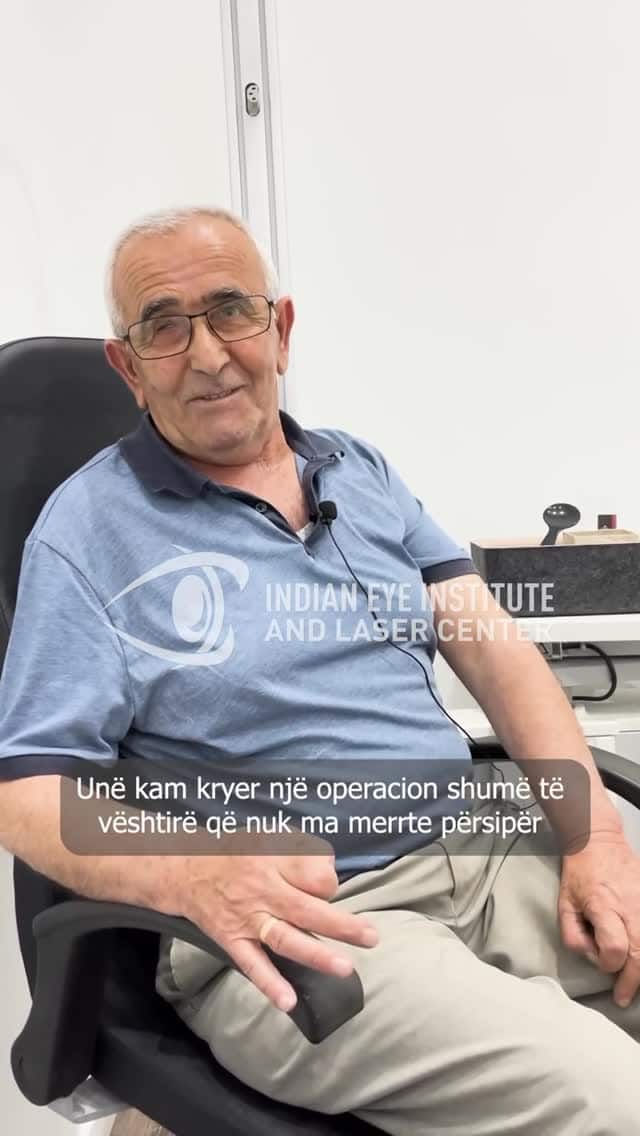


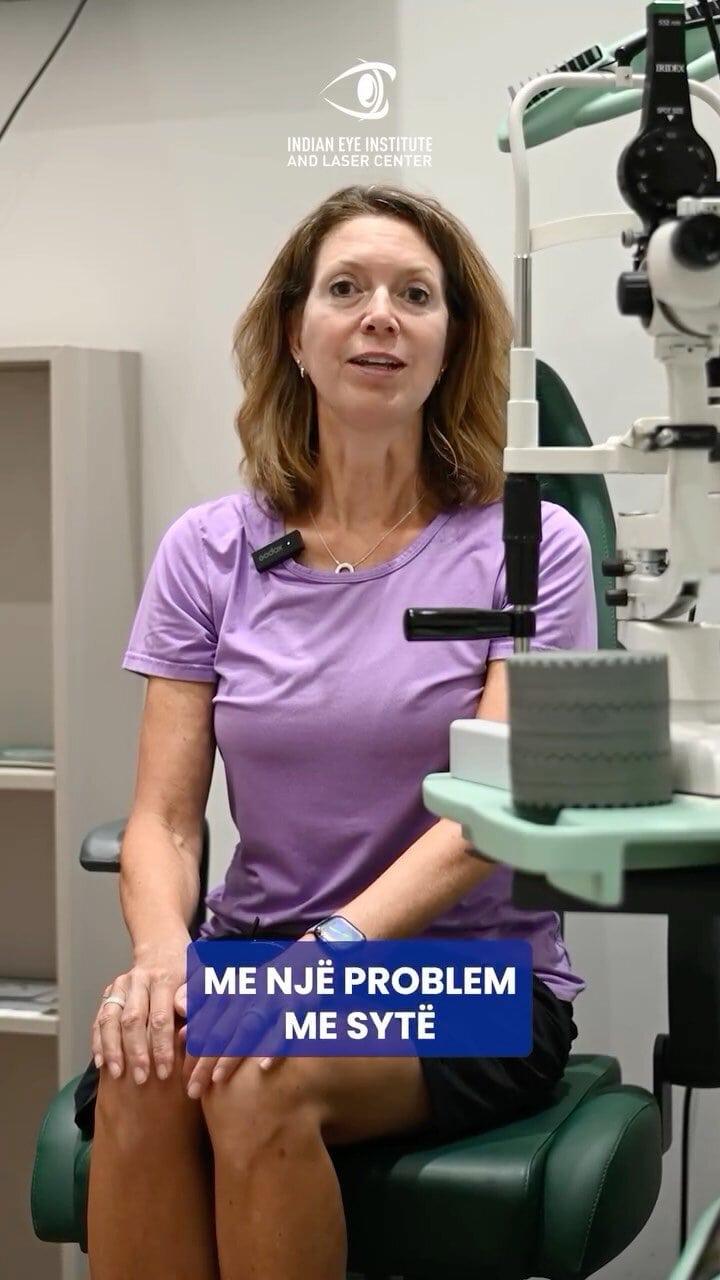





I have advanced glaucoma in both eyes and have undergone glaucoma and cataract surgery with Dr. Taneja. I have been receiving regular follow-up care from Dr. Taneja for the past 11 years.
I am very happy and satisfied with my experiences at Dr. Taneja’s clinic. The staff are helpful, knowledgeable, competent, and very pleasant. Dr. Taneja has worked diligently to preserve my vision, and I am extremely pleased with the care I have received. He deserves recognition for how good he is at what he does. I would recommend him 100% to anyone with serious eye problems.
I have suffered from a long-term problem with floaters in both eyes. Dr. Nishant Taneja is truly an expert in his field who allows patients to consider nonsurgical options as the first course of treatment. He is professional and courteous, treats patients with respect, and communicates clearly in terms that ordinary people can understand. I believe he is honest and straightforward, and he is taking excellent care of me.
I have been a patient of Dr. Nishant Taneja since 2010, when I was diagnosed with wet macular degeneration. He has treated me with Avastin, Eylea, and now brolucizumab, and I can still read large print.
I owe my sight to his treatments. He has taken excellent care of my eyes. The staff are absolutely outstanding in their courtesy and professionalism. I am 93 years old and can still read clearly. Thank you!
When I first came here, I thought I would go blind in my left eye. I was diagnosed with a vitreous hemorrhage caused by detachment of the vitreous gel. After the laser treatment, my vision returned to what it had been before.
I have received excellent medical care here. The entire staff have been very kind and have made everything much easier for me. I am very happy.
Many thanks to the entire staff. The whole process of my cataract surgery and the care I received were the best I have ever experienced at any medical practice. The staff and technology were first-rate. Dr. Taneja is simply phenomenal. Thank you again.
I underwent surgery for a retinal detachment last week. I experienced no pain during or after the operation. I slept well the following night without needing any pain medication. If anyone has questions about retinal surgery, please feel free to call me.
I am impressed by the high standard of patient care I received from Dr. Taneja at the Indian Eye Institute. I hold him in the highest regard.
I have had diabetes for over 30 years. Over the past 5 years, my vision gradually deteriorated. I had been receiving treatment from my ophthalmologist for the previous 4 years. The treatment involved injections, but the situation seemed to be getting worse. I could barely see well enough to drive, could not read anything on my phone, and began having difficulty recognizing people from a distance. I therefore decided to visit Dr. Nishant Taneja on the recommendation of my eye doctor. He was prompt, efficient, and professional. Within minutes, he had mapped out a treatment plan for both of my eyes and advised me to follow it. I was truly impressed by his energy, optimism, and confidence.
After several injections and laser treatments, he said that I needed a vitrectomy in my left eye. It went perfectly, without any complications. My vision in that eye was restored to 20/20. I felt as though I were opening my eyes for the first time.
After I recovered from that procedure, Dr. Taneja said that my right eye also needed surgery. So, without hesitation, I had that eye treated as well. I now have 20/20 vision in both eyes, and everything is wonderful.
I can now see my two young grandchildren clearly. This has improved my quality of life tremendously. Without a doubt, I am probably the happiest patient Dr. Taneja has ever had!
I am delighted to express my appreciation for Dr. Taneja and his exceptional staff.
If you are reading this review while deciding on a retina specialist, you have definitely come to the right place! An excellent doctor and staff. I am more than completely satisfied!
I believe Dr. Taneja is an exceptionally talented surgeon.
I began wearing glasses and contact lenses at the age of 12. I relied on them to see and read. During the spring, pollen irritated my eyes, and I could no longer wear my contact lenses.
After the procedures performed by Dr. Taneja, I went from being unable to see to having clear vision without contact lenses or glasses.
I would recommend Dr. Nishant Taneja for any procedure he performs. He is highly meticulous, compassionate, and understanding.
He worked a miracle for me. I thank God for his talent.
Patient Education Videos
View All
The SMILE Pro Procedure
Chemical Eye Injuries
Diabetic Retinopathy
Signs That Should Not Be Ignored
Examination and Treatment
Download the Guides Free for Patients


Frequently Asked Questions
Surgery may be considered when the cataract affects reading, driving, work, or other daily activities. The timing of surgery is determined following an examination by Dr. Nishant Taneja.
The surgery is performed under local anesthesia, so the patient usually does not feel any pain. During the procedure, they may perceive light, movement, or slight pressure.
Most patients experience improved vision after cataract removal. The outcome also depends on the condition of the cornea, retina, macula, and optic nerve.
A cataract cannot return once the natural lens has been removed. However, the capsule behind the artificial lens may become cloudy over time. This condition can be treated with a short laser procedure.

Take the First Step Toward Better Vision.
Fill out the form below and our team will contact you
to schedule a consultation and answer your questions.