



Glaucoma: Diagnosis, Treatment and Surgery in Tirana
Glaucoma is a group of eye diseases that damage the optic nerve, usually because of high pressure inside the eye, and it can lead to permanent loss of vision. At first it usually causes no symptoms, so it is most often found during an eye check-up. At the Indian Eye Institute and Laser Center in Tirana, Dr. Nishant Taneja diagnoses and treats glaucoma with eye drops, laser and, when needed, surgery.
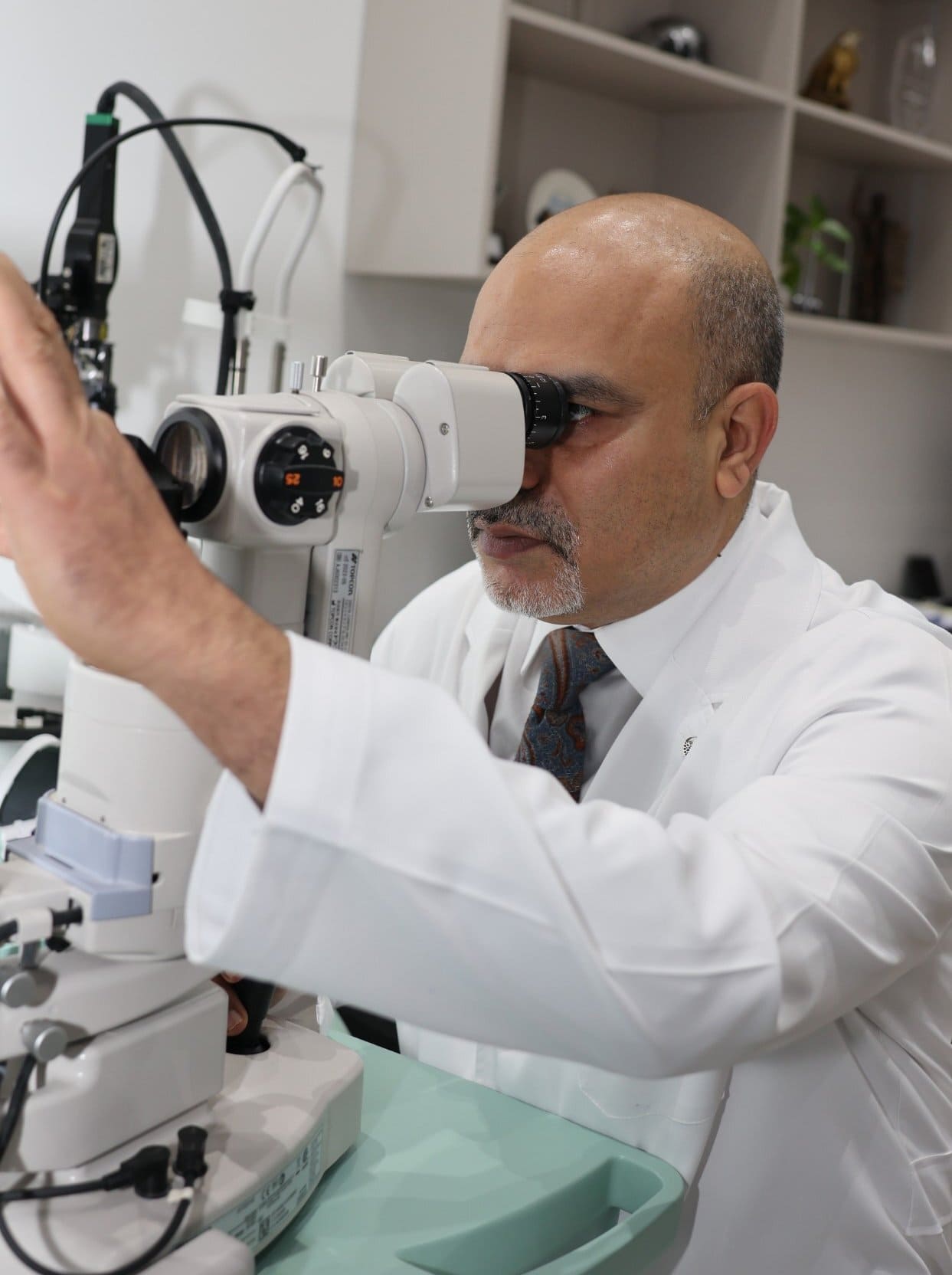
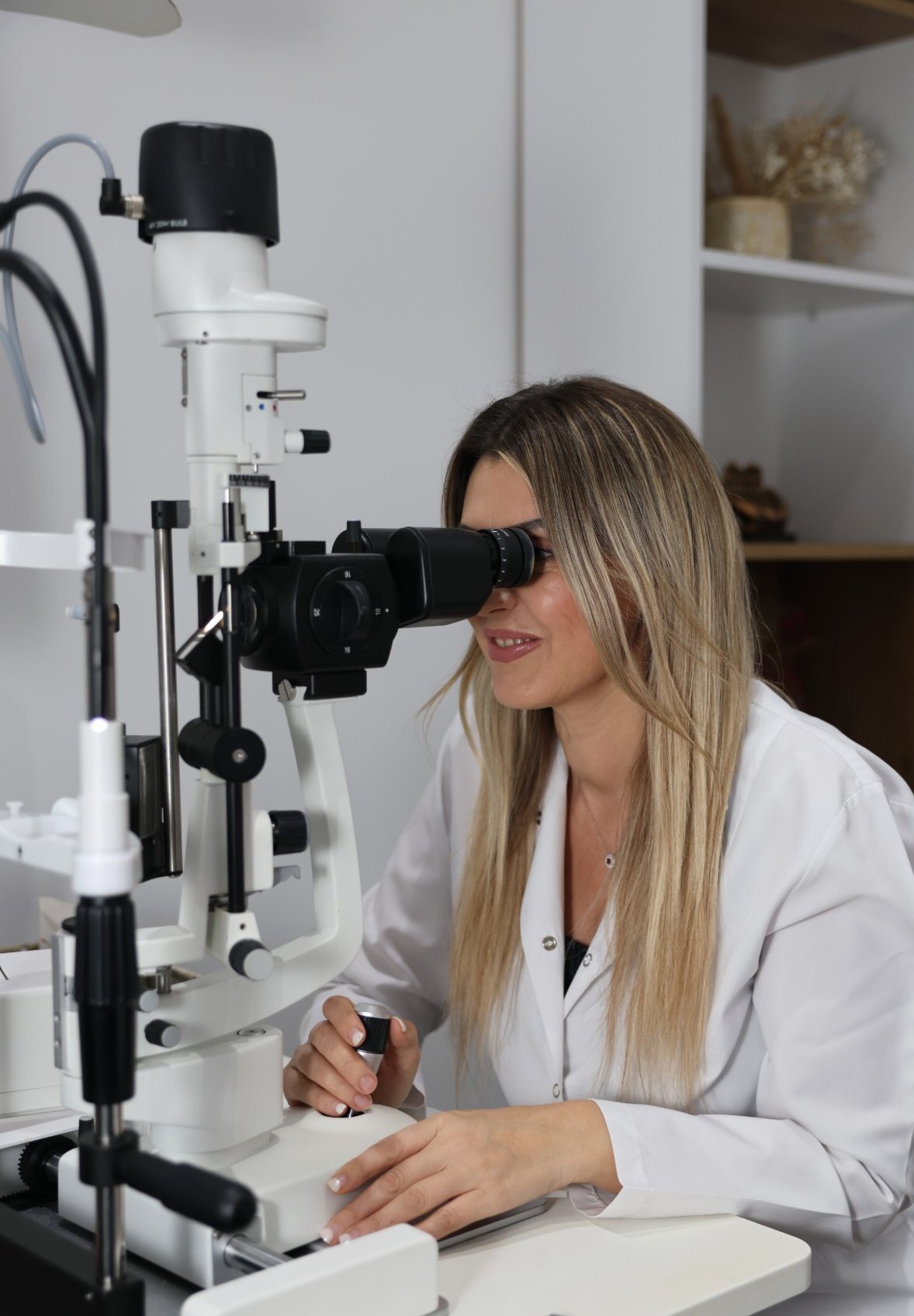
What Is Glaucoma?
The eye constantly produces a clear fluid that drains out through a drainage channel at the front of the eye. When this fluid does not drain properly, the pressure inside the eye rises and over time damages the optic nerve, which connects the eye to the brain.
Damage to the optic nerve from glaucoma is permanent: treatment cannot restore lost vision, but it can stop it from getting worse. According to the US National Eye Institute (NEI), half of people with glaucoma do not know they have it.
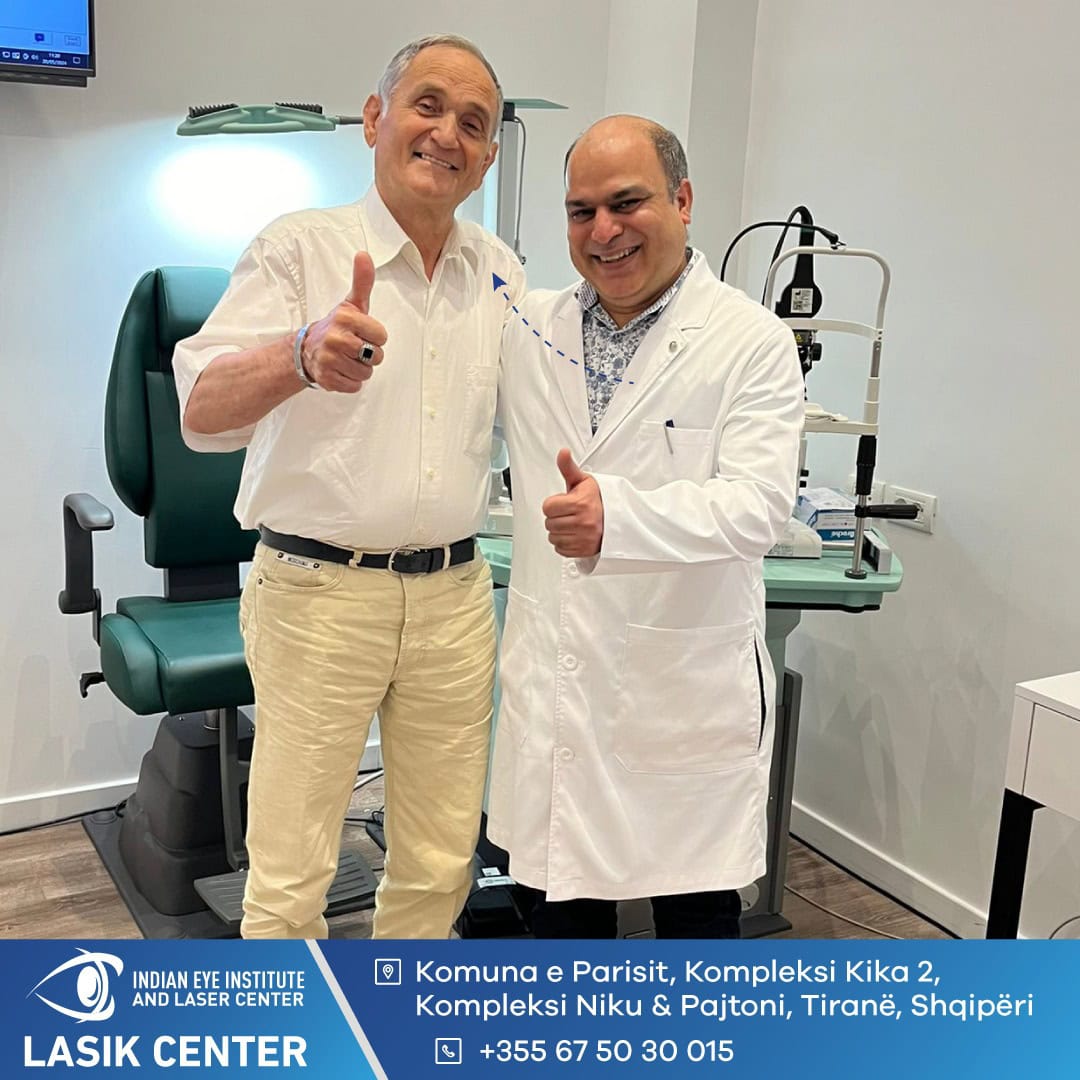
PHOTO GALLERY
Moments with Our Patients










Types of Glaucoma
- Open-angle glaucoma: the most common type. The fluid drains more and more slowly, without pain and without changes in vision at first. Over time, side vision is lost.
- Angle-closure glaucoma: the iris blocks the drainage channel. The pressure can rise suddenly (an acute attack) or slowly, without symptoms.
- Normal-tension glaucoma: the optic nerve is damaged even though the eye pressure stays within normal values.
Glaucoma can affect one eye or both. High pressure does not always mean glaucoma: some people have higher pressure without damage to the optic nerve and should be checked regularly.
What Are the Symptoms of Glaucoma?
Open-angle glaucoma usually gives no warning signs. Over time, side vision is lost, usually so slowly that most people do not notice it until the damage is severe.
When to see a doctor urgently: an attack of angle-closure glaucoma is an emergency. The signs are severe eye pain, a red eye, sudden blurred vision, headache, nausea or vomiting and rainbow-coloured rings around lights. In these cases go to a doctor or the emergency department immediately. Do not drive yourself: ask someone to take you.
Who Is Most at Risk?
The risk increases with age and is higher in people who:
- have a parent, brother or sister with glaucoma;
- have high eye pressure;
- are short-sighted or long-sighted;
- have diabetes;
- use steroids for a long time;
- have had an eye injury;
- have thinner corneas than usual.
How Is Glaucoma Diagnosed?
A single pressure measurement is not enough to diagnose glaucoma. The diagnosis is made with a complete eye examination, in which the ophthalmologist:
- measures the pressure inside the eye;
- checks the drainage angle, to tell open-angle glaucoma apart from angle-closure glaucoma;
- examines the optic nerve, after drops that widen the pupils;
- photographs the optic nerve and measures it by computer: at the clinic this is done with the Optovue Solix OCT/OCT-A device;
- does a visual field test, which checks side vision;
- measures the thickness of the cornea.
The results are compared at later visits, to see whether the disease is stable or progressing.
How Is Glaucoma Treated?
The aim of treatment is to lower the eye pressure, to protect the optic nerve. The choice depends on the type of glaucoma, the damage so far and how the eye responds to treatment.
Glaucoma eye drops
These are the most common treatment. They are used every day and lower the pressure: some reduce the fluid the eye produces, others help it drain better. They can cause side effects, such as stinging or redness, so tell your doctor about any discomfort. Do not change or stop them without talking to your ophthalmologist.
Laser trabeculoplasty (SLT)
In open-angle glaucoma, the laser helps the drainage channel work better. It can be used instead of eye drops or together with them. It is a simple procedure that Dr. Taneja performs at the clinic.
Laser iridotomy
In angle-closure glaucoma, the laser makes a small hole in the iris so that the fluid can reach the drainage channel. This procedure is also done at the clinic.
Trabeculectomy
An operation that creates a new drainage route. The surgeon makes a thin flap in the white of the eye and a small opening through which the fluid drains and collects in a small blister (bleb) under the conjunctiva. There the fluid is absorbed by the surrounding tissue and the pressure goes down.
Viscocanalostomy and canaloplasty
These are non-penetrating operations for open-angle glaucoma. Instead of creating a new drainage route, they widen the eye’s natural drainage channel (Schlemm’s canal). In viscocanalostomy, part of the canal is widened with a viscoelastic gel. Canaloplasty is its further development: a thin microcatheter is passed along the whole canal, widens it and leaves a thread inside that keeps it open.
The fluid leaves through the natural pathway, usually without a blister (bleb), so care after the operation is simpler. They usually lower the pressure slightly less than trabeculectomy, so Dr. Taneja chooses the procedure according to each patient’s condition.
Drainage implants and valves
In more complex cases, a small tube carries the fluid to a collection area, where it is absorbed by the nearby blood vessels, and the pressure goes down.
Some implants have a valve, which lets the fluid out in one direction only and only above a certain pressure. The most widely used is the Ahmed valve. Dr. Taneja also performs valve surgery.
Surgery is usually suggested when eye drops and laser do not lower the pressure enough.
Videos About Glaucoma
What to Expect
01. Complete Examination
The pressure is measured, the drainage angle and the optic nerve are checked (with OCT), a visual field test is done and the cornea is measured. After the drops that widen the pupils, your vision may be blurry and your eyes sensitive to light for a few hours: ask someone to drive you home and bring sunglasses.
02. Treatment Plan
Dr. Taneja explains the type of glaucoma and the right treatment: eye drops, laser or surgery.
03. Regular Check-ups
Glaucoma cannot be cured, so check-ups continue even when the pressure is under control. At each visit the pressure, the optic nerve and the visual field are compared, and the treatment is adjusted if needed. Do not miss any check-up.
How Often Should You Be Checked for Glaucoma?
The only way to find glaucoma early is a complete eye examination with dilated pupils. Adults should have a complete eye check-up at around age 40, and then regular check-ups at least every 2 years. If you are at higher risk, for example if a parent, brother or sister has glaucoma, have a dilated eye exam every 1–2 years, or as often as your doctor advises. More: how often you should have an eye test.
How Much Does Glaucoma Treatment Cost?
The cost depends on the treatment: eye drops are an ongoing cost, while laser and surgery depend on the type of procedure and on whether one or both eyes are treated. The exact price is given after a complete examination, once it is clear which treatment is right for you.


Indian Eye Clinic Tirana: 15+ Years of Trust


Retina | Cataract | Refractive Surgery


The right care for a lifetime with clear vision
Every successful treatment begins with an accurate diagnosis and a personalized care plan. Discover the real stories of patients who trust Indian Eye Institute and Laser Center.


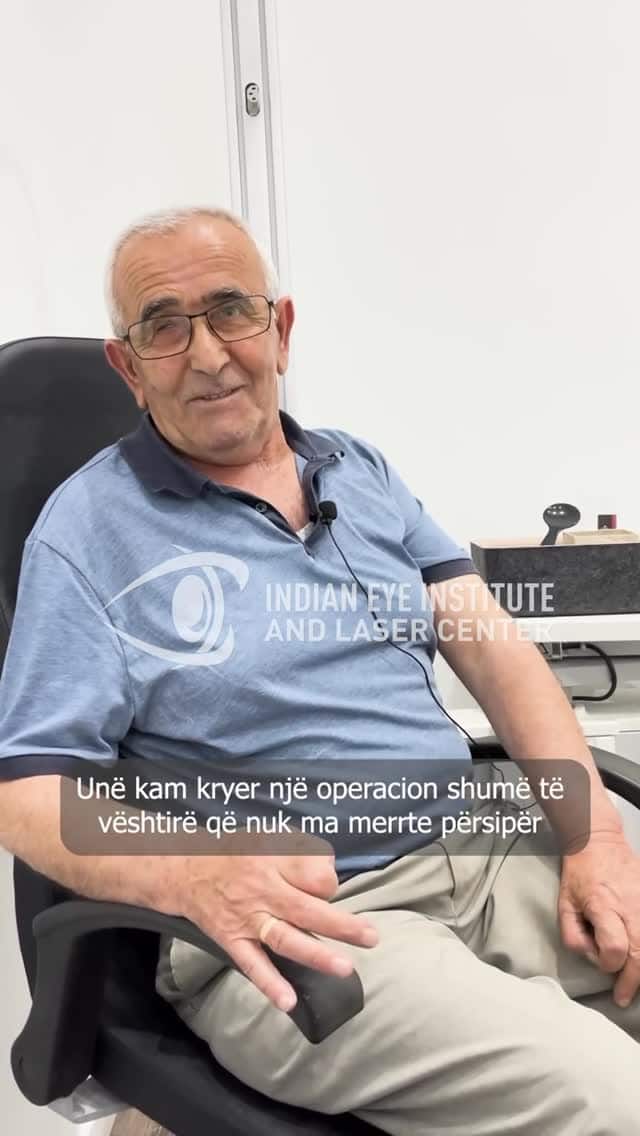


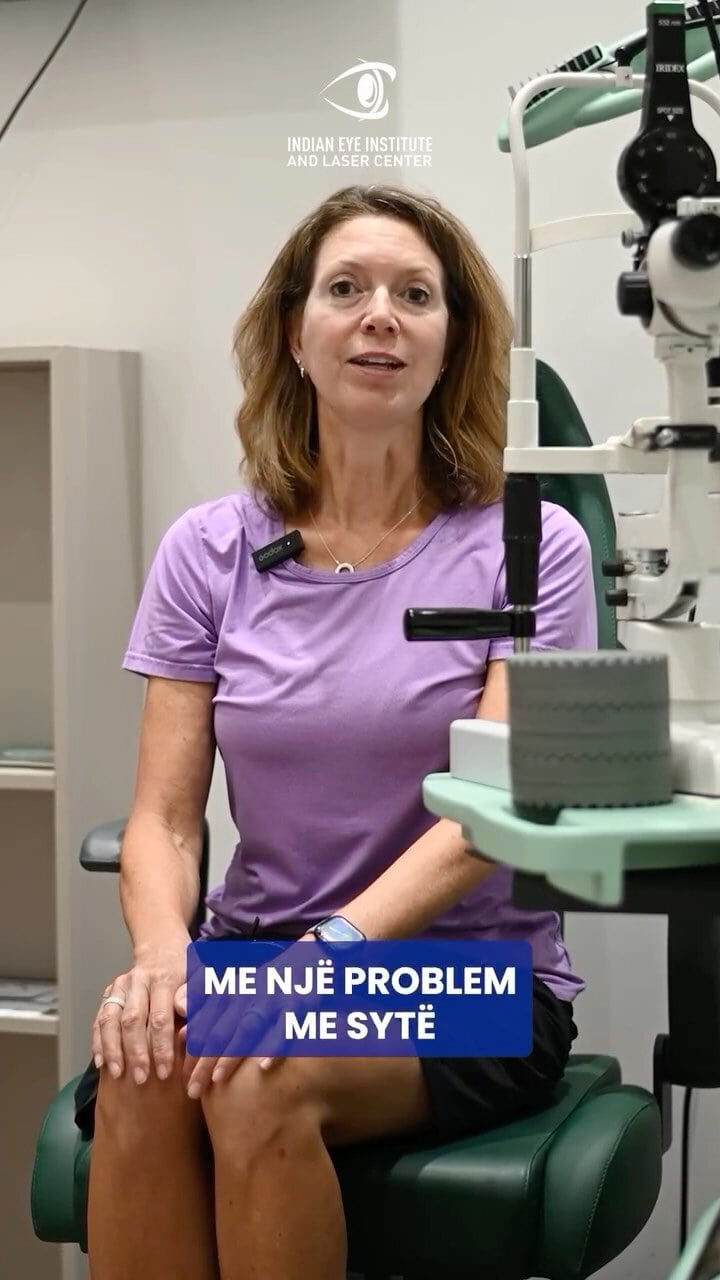



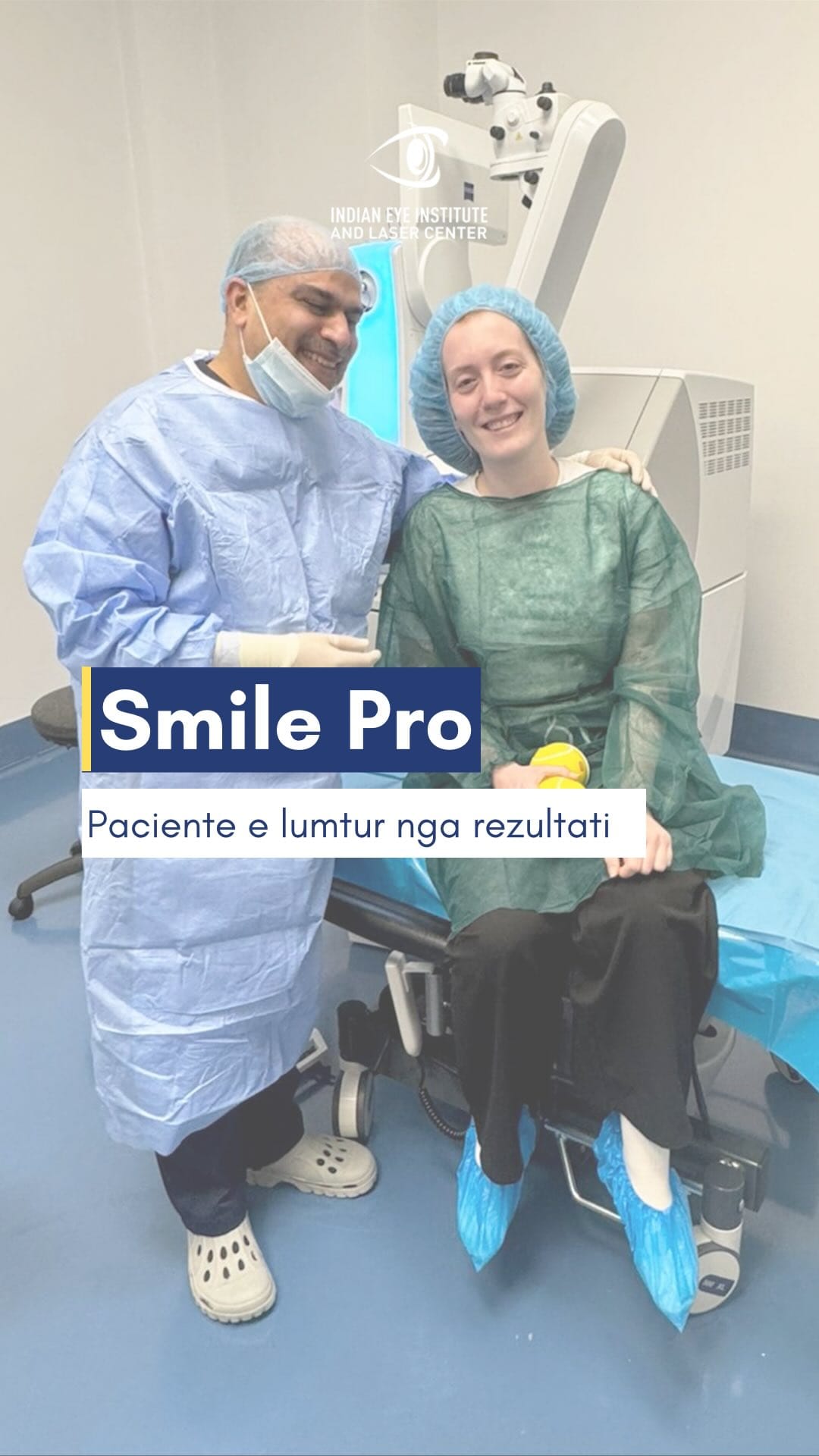


I have advanced glaucoma in both eyes and have undergone glaucoma and cataract surgery with Dr. Taneja. I have been receiving regular follow-up care from Dr. Taneja for the past 11 years.
I am very happy and satisfied with my experiences at Dr. Taneja’s clinic. The staff are helpful, knowledgeable, competent, and very pleasant. Dr. Taneja has worked diligently to preserve my vision, and I am extremely pleased with the care I have received. He deserves recognition for how good he is at what he does. I would recommend him 100% to anyone with serious eye problems.
I have suffered from a long-term problem with floaters in both eyes. Dr. Nishant Taneja is truly an expert in his field who allows patients to consider nonsurgical options as the first course of treatment. He is professional and courteous, treats patients with respect, and communicates clearly in terms that ordinary people can understand. I believe he is honest and straightforward, and he is taking excellent care of me.
I have been a patient of Dr. Nishant Taneja since 2010, when I was diagnosed with wet macular degeneration. He has treated me with Avastin, Eylea, and now brolucizumab, and I can still read large print.
I owe my sight to his treatments. He has taken excellent care of my eyes. The staff are absolutely outstanding in their courtesy and professionalism. I am 93 years old and can still read clearly. Thank you!
When I first came here, I thought I would go blind in my left eye. I was diagnosed with a vitreous hemorrhage caused by detachment of the vitreous gel. After the laser treatment, my vision returned to what it had been before.
I have received excellent medical care here. The entire staff have been very kind and have made everything much easier for me. I am very happy.
Many thanks to the entire staff. The whole process of my cataract surgery and the care I received were the best I have ever experienced at any medical practice. The staff and technology were first-rate. Dr. Taneja is simply phenomenal. Thank you again.
I underwent surgery for a retinal detachment last week. I experienced no pain during or after the operation. I slept well the following night without needing any pain medication. If anyone has questions about retinal surgery, please feel free to call me.
I am impressed by the high standard of patient care I received from Dr. Taneja at the Indian Eye Institute. I hold him in the highest regard.
I have had diabetes for over 30 years. Over the past 5 years, my vision gradually deteriorated. I had been receiving treatment from my ophthalmologist for the previous 4 years. The treatment involved injections, but the situation seemed to be getting worse. I could barely see well enough to drive, could not read anything on my phone, and began having difficulty recognizing people from a distance. I therefore decided to visit Dr. Nishant Taneja on the recommendation of my eye doctor. He was prompt, efficient, and professional. Within minutes, he had mapped out a treatment plan for both of my eyes and advised me to follow it. I was truly impressed by his energy, optimism, and confidence.
After several injections and laser treatments, he said that I needed a vitrectomy in my left eye. It went perfectly, without any complications. My vision in that eye was restored to 20/20. I felt as though I were opening my eyes for the first time.
After I recovered from that procedure, Dr. Taneja said that my right eye also needed surgery. So, without hesitation, I had that eye treated as well. I now have 20/20 vision in both eyes, and everything is wonderful.
I can now see my two young grandchildren clearly. This has improved my quality of life tremendously. Without a doubt, I am probably the happiest patient Dr. Taneja has ever had!
I am delighted to express my appreciation for Dr. Taneja and his exceptional staff.
If you are reading this review while deciding on a retina specialist, you have definitely come to the right place! An excellent doctor and staff. I am more than completely satisfied!
I believe Dr. Taneja is an exceptionally talented surgeon.
I began wearing glasses and contact lenses at the age of 12. I relied on them to see and read. During the spring, pollen irritated my eyes, and I could no longer wear my contact lenses.
After the procedures performed by Dr. Taneja, I went from being unable to see to having clear vision without contact lenses or glasses.
I would recommend Dr. Nishant Taneja for any procedure he performs. He is highly meticulous, compassionate, and understanding.
He worked a miracle for me. I thank God for his talent.
Patient Education Videos
All patient videos
The SMILE Pro Procedure
Chemical Eye Injuries
Diabetic Retinopathy
Signs That Should Not Be Ignored
Examination and Treatment
Download the Guides Free for Patients

Frequently Asked Questions
Not completely: there is no cure for glaucoma and lost vision does not come back. But early treatment can often stop the damage and protect the vision you have.
Without treatment, glaucoma can eventually lead to blindness. According to the American Academy of Ophthalmology (AAO), most people who find it early, follow their treatment and do not miss check-ups avoid severe vision loss.
Glaucoma can run in families: the risk is higher if a parent, brother or sister has it. In that case, have your eyes checked regularly and tell your doctor. If you have glaucoma, encourage your relatives to get checked too.
No. Glaucoma usually causes no symptoms even while it is damaging the optic nerve. The eye drops are used every day, and they should not be changed or stopped without talking to your ophthalmologist. If they cause side effects, tell Dr. Taneja: the treatment can be changed or laser treatment can be considered.
In some people with a narrow drainage angle, removing the eye’s natural lens with cataract surgery creates more space for the fluid to drain and can lower the pressure. In patients who also have a cataract, the two operations can be done in the same procedure (a combined operation) or one after the other, in separate stages. Dr. Taneja decides after the examination which approach is most suitable.
Sources
The general medical information on this page is based on:

Take the First Step Toward Better Vision.
Fill out the form below and our team will contact you
to schedule a consultation and answer your questions.