



Presbyopia Correction
Presbyopia correction under the care of Dr. Nishant Taneja at the Indian Eye Institute and Laser Center in Tirana. Using multifocal intraocular lenses or extended-depth-of-focus intraocular lenses (Symfony), treatment is personalized to improve vision at different distances and reduce dependence on glasses.

What Is Presbyopia?
Presbyopia is the gradual, age-related loss of the eye’s ability to focus clearly on nearby objects. It usually becomes noticeable after the age of 40, when the natural lens loses its flexibility and ability to change focus.
People who previously saw clearly without glasses may begin to need reading glasses or glasses for computer work. People with nearsightedness may need different vision correction for near, intermediate, and distance vision, such as when reading, using a computer, watching television, driving, or going to the cinema. Relying on several pairs of glasses can also become an inconvenience during sports, beach holidays, skiing, and other everyday activities.
In suitable patients, presbyopia correction surgery replaces the eye’s natural lens with a multifocal intraocular lens or an extended-depth-of-focus intraocular lens (Symfony). These lenses are designed to provide functional vision at multiple distances and may significantly reduce dependence on glasses. Complete freedom from glasses cannot be guaranteed for every patient.
PRESBYOPIA CORRECTION AT A GLANCE
Duration:
Recovery:
Anesthesia:
Clinical experience:
PHOTO GALLERY
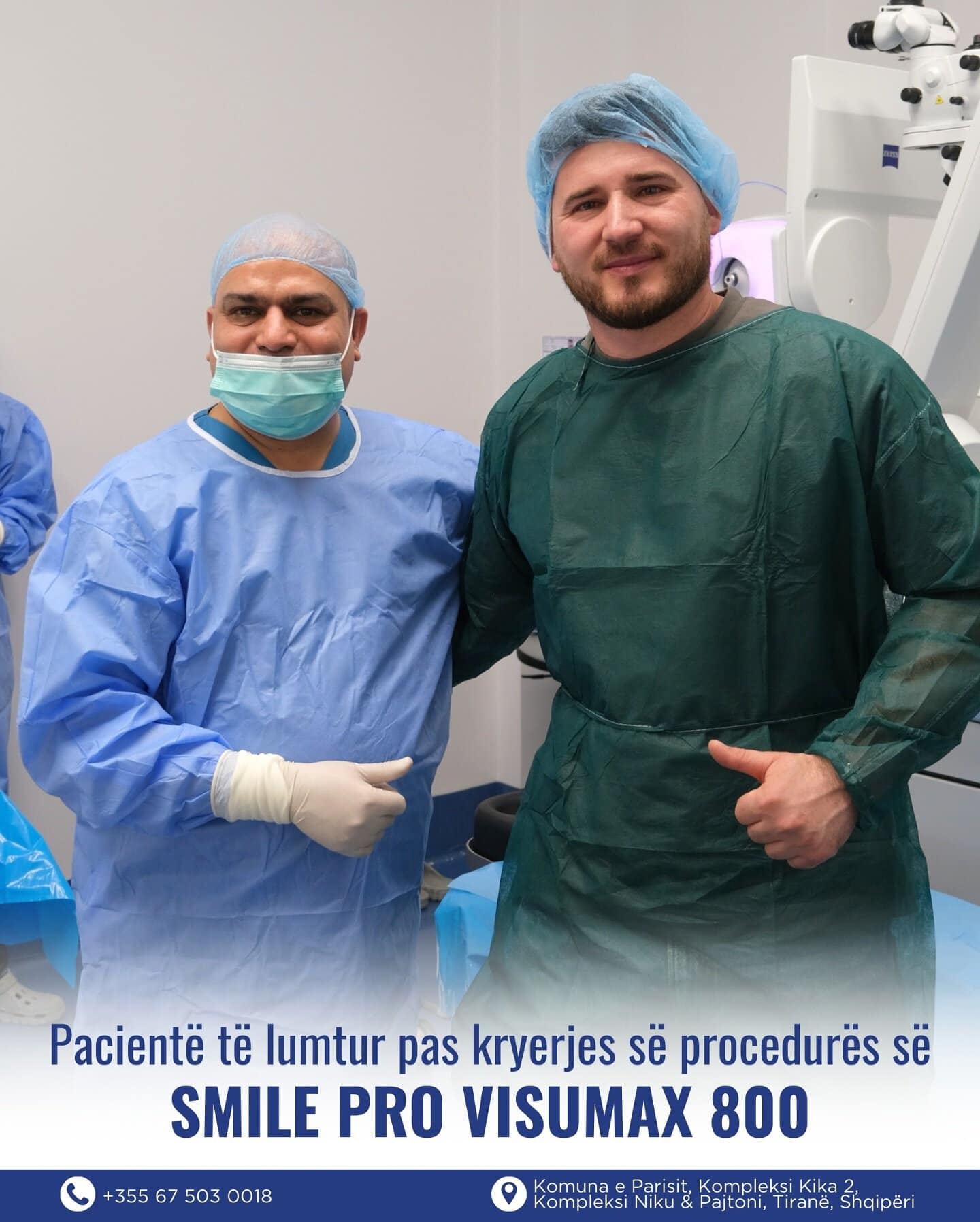
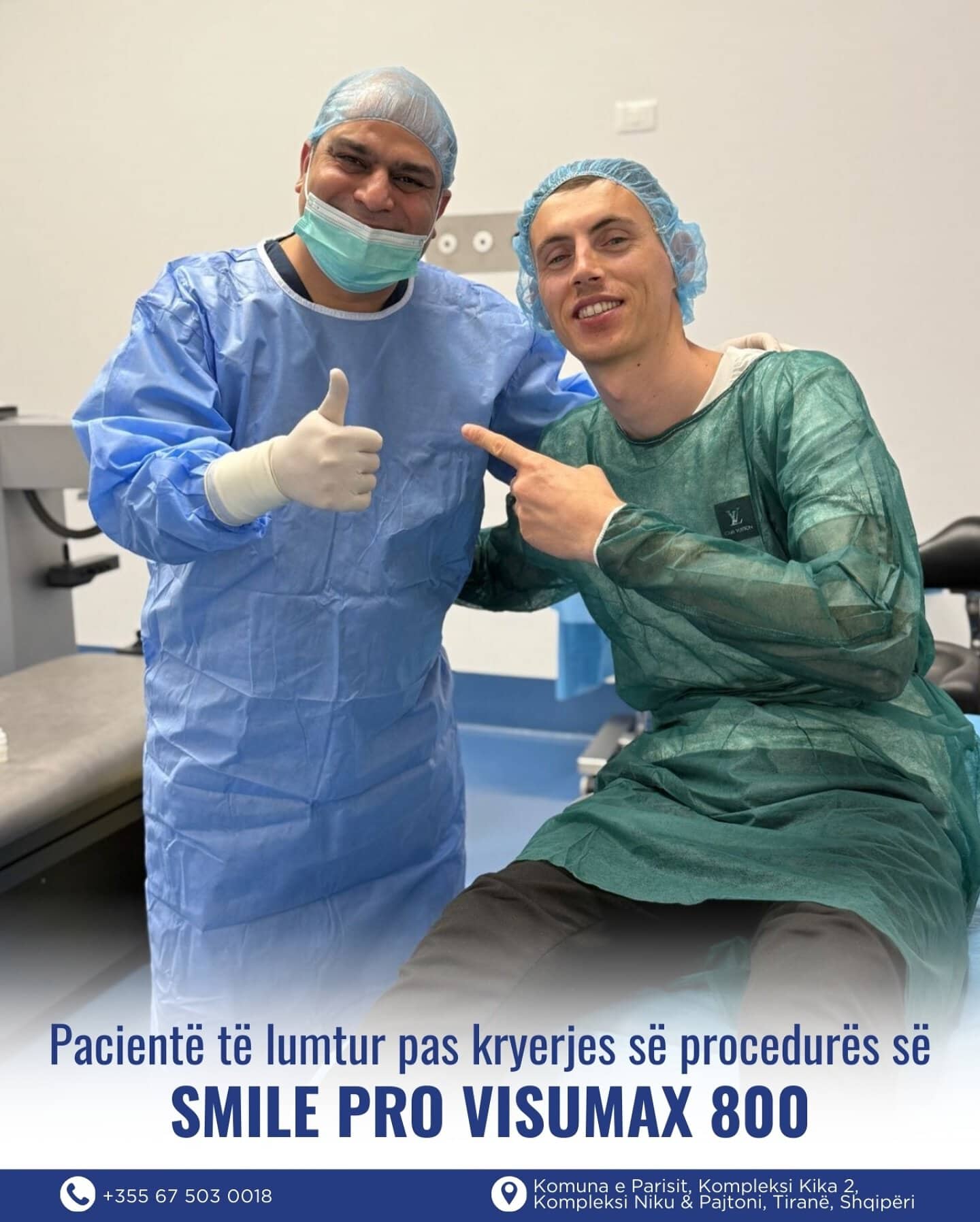
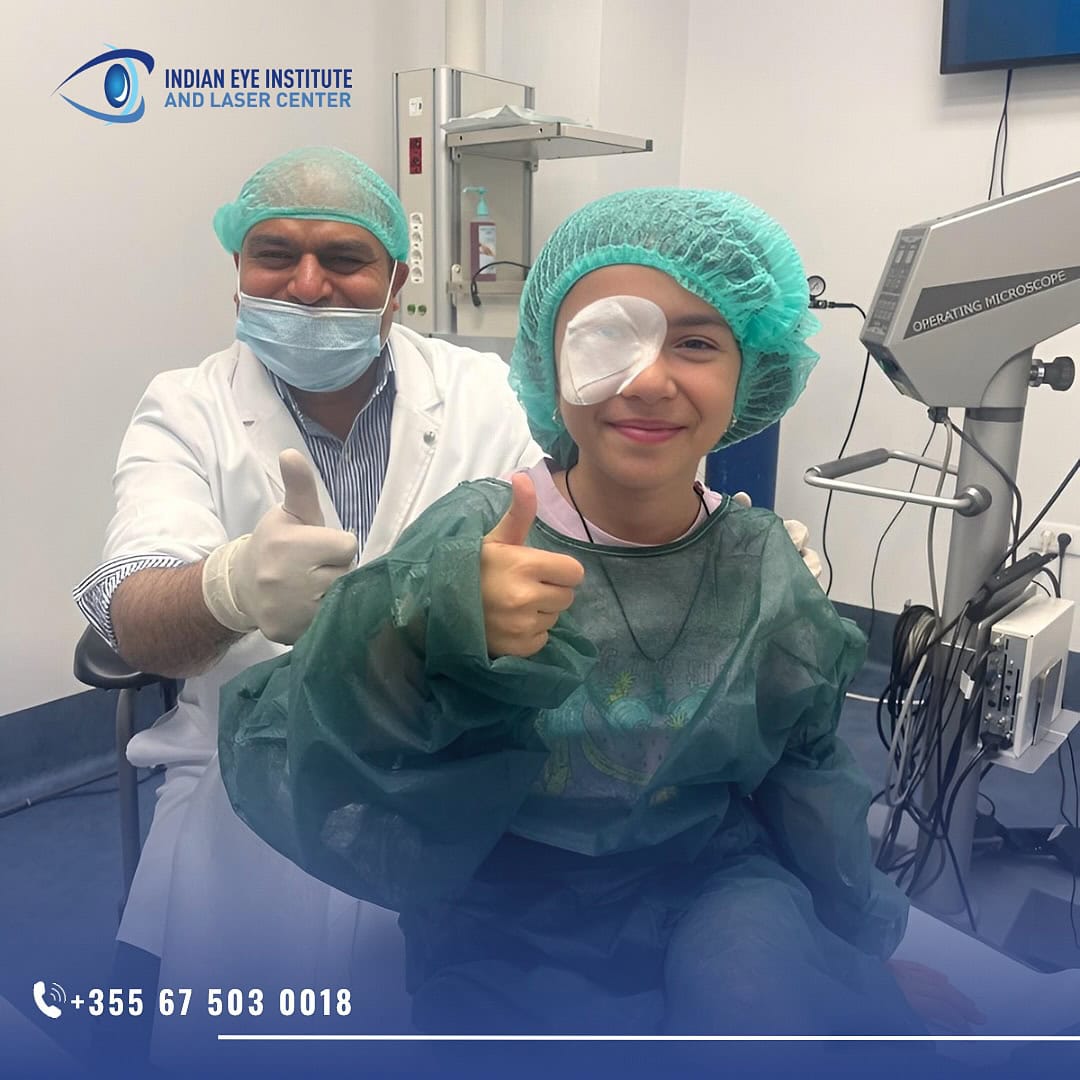
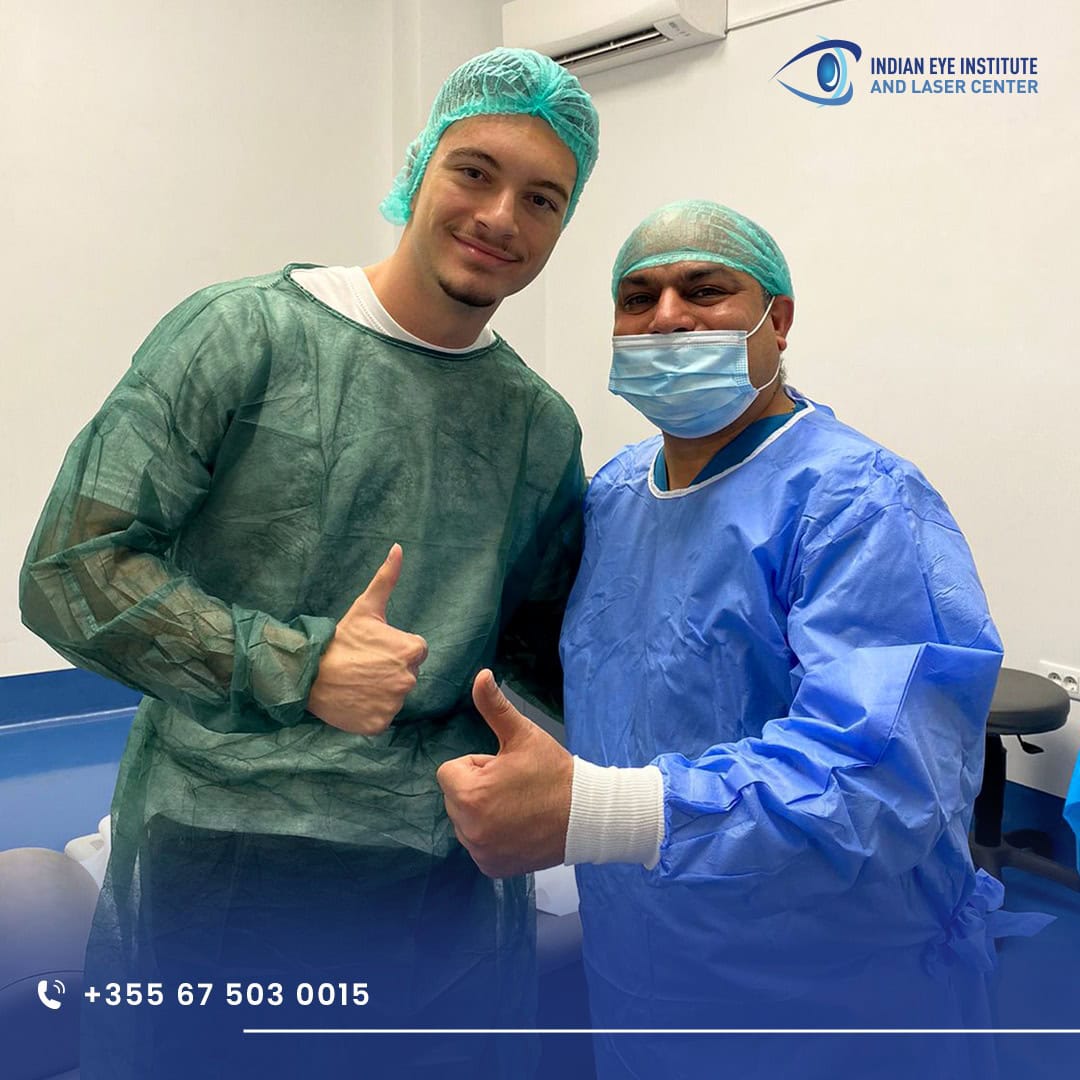
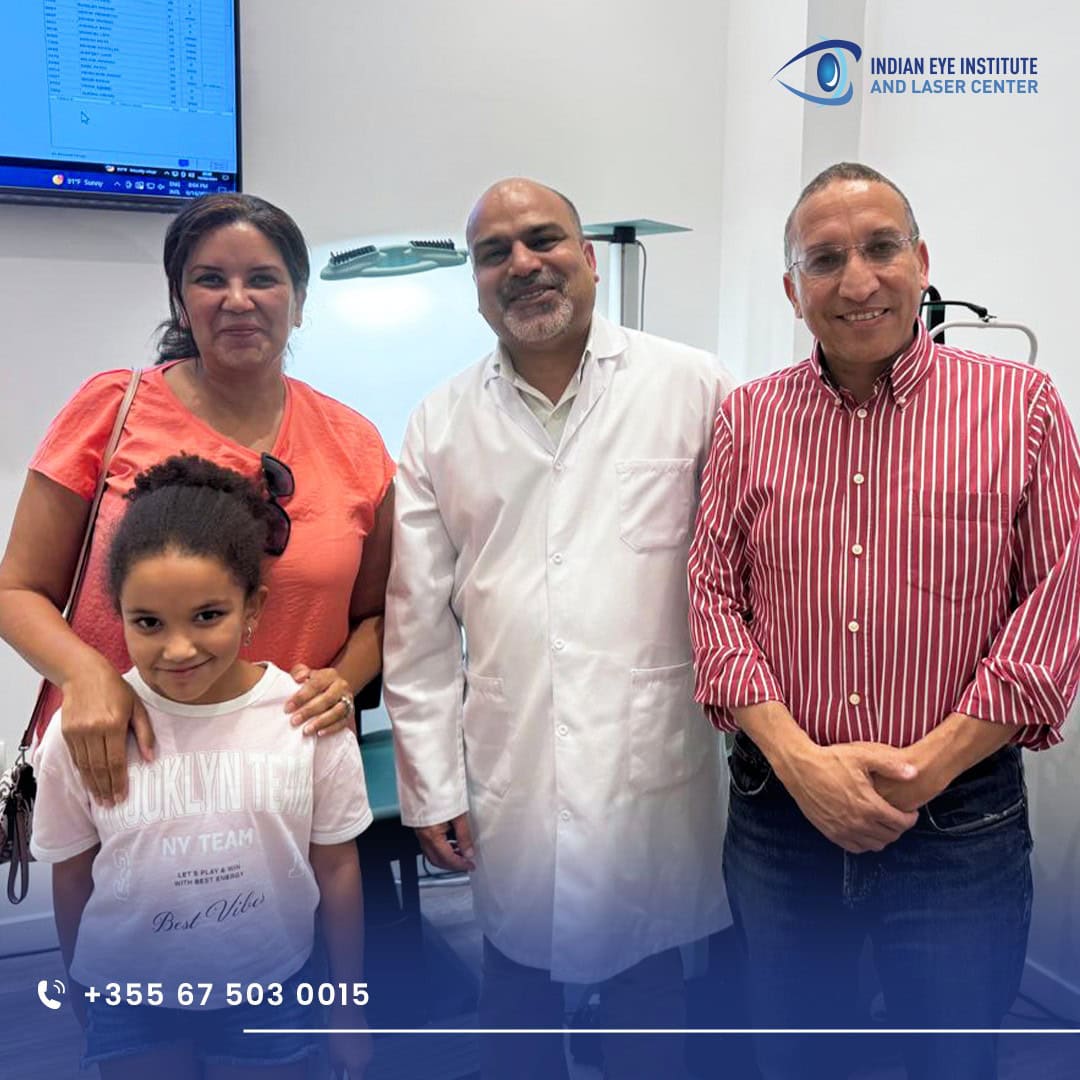
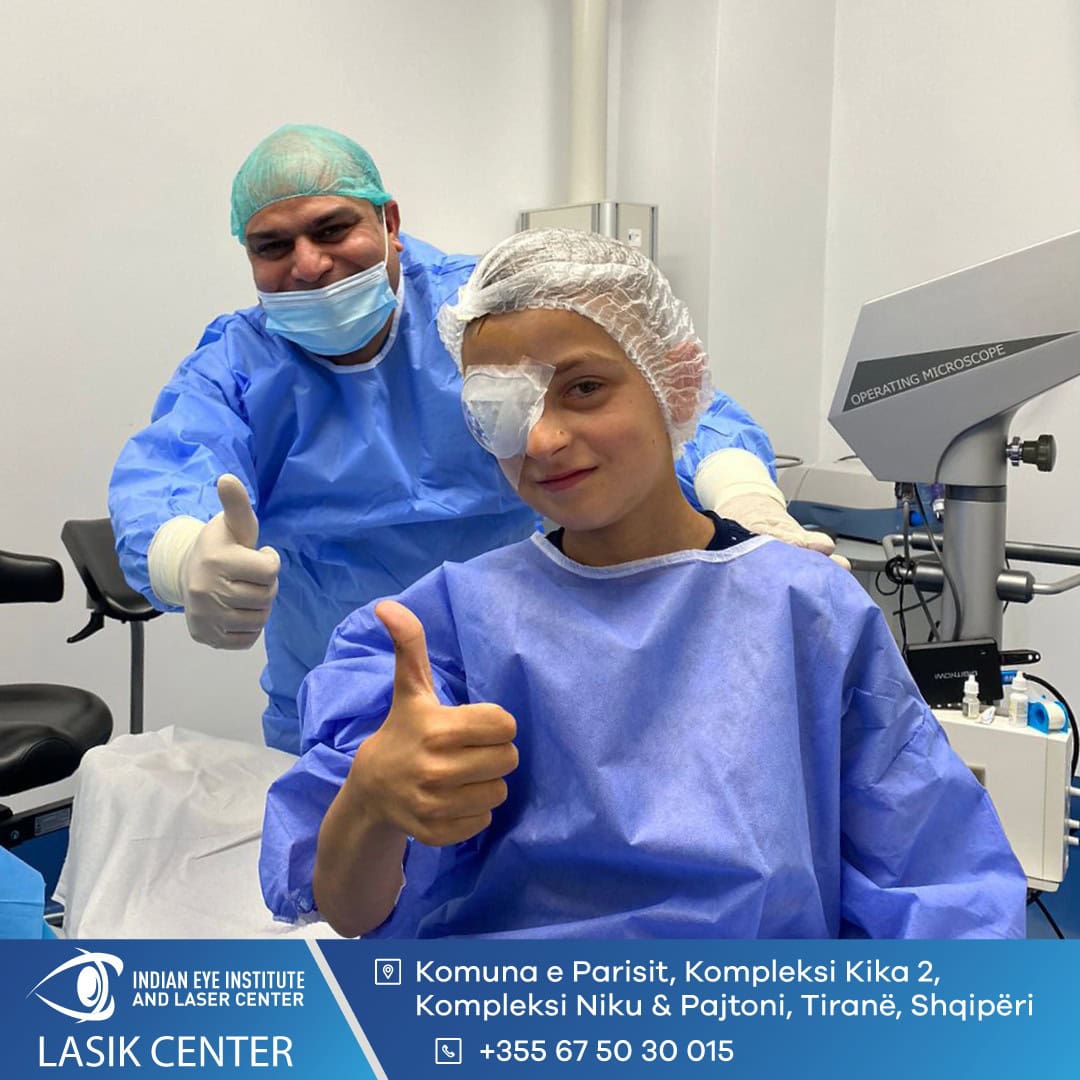
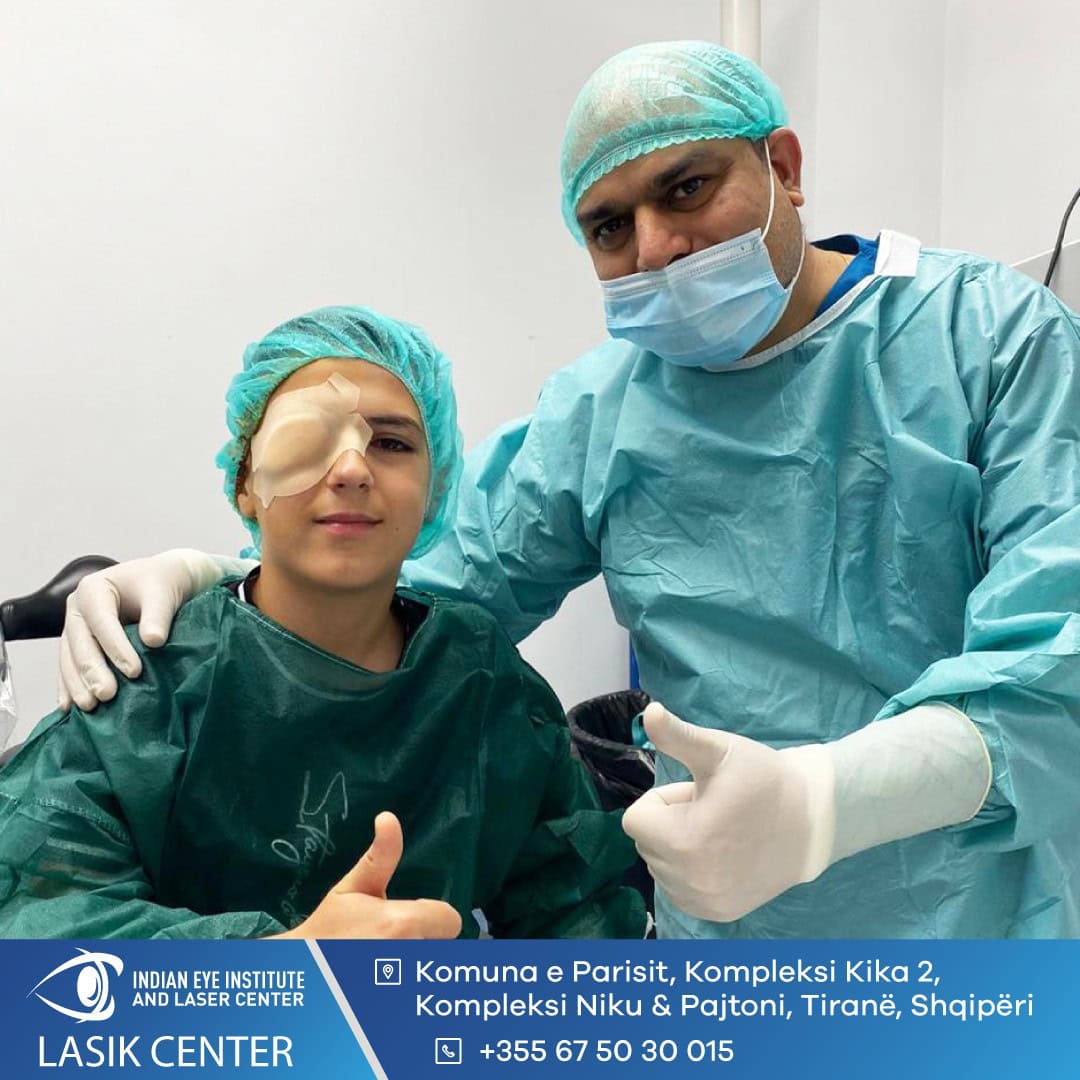
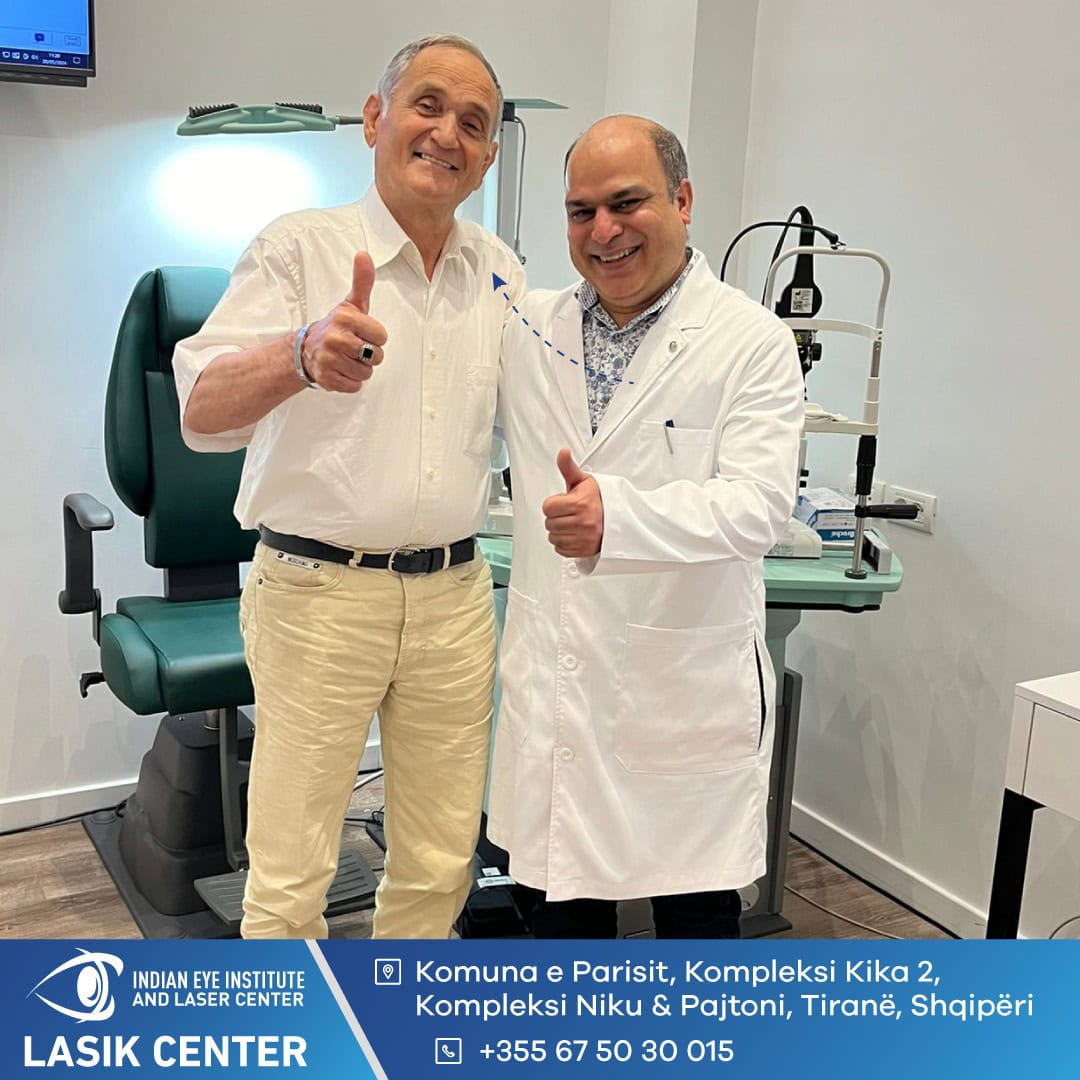
Moments with Our Patients











What Are the Symptoms of Presbyopia?
Presbyopia develops gradually and usually becomes noticeable after the age of 40. The most common signs include:
Blurred Near Vision
Holding Text Farther Away
Need for More Light
Eye Strain
Headaches During Close-Up Work
Difficulty Changing Focus
Lens Options for Presbyopia Correction
The most suitable intraocular lens depends on eye health, refractive error, daily activities, and visual needs. Dr. Nishant Taneja assesses each patient individually and selects the lens based on their needs for reading, computer work, driving, and other activities.
Multifocal Intraocular Lenses
Multifocal intraocular lenses use different optical zones to provide functional near, intermediate, and distance vision. They can significantly reduce dependence on glasses, although some patients may experience glare, halos around lights, or reduced contrast, particularly at night.
Extended-Range-of-Vision Intraocular Lenses (Symfony)
Extended depth-of-focus intraocular lenses (Symfony) provide a broader range of vision. They are designed to offer clear distance and intermediate vision, along with functional near vision. Glasses may still be needed for very small print or prolonged reading.
Personalized Lens Selection
The lens is selected based on detailed measurements and the patient’s lifestyle. Reading habits, computer use, driving, work, activities, the dominant eye, corneal astigmatism, and retinal health are all considered before a recommendation is made.
With experience in more than 6,000 multifocal and extended depth-of-focus intraocular lens implantations, the clinic provides personalized planning for presbyopia correction. The benefits, limitations, and potential visual trade-offs are explained before treatment.
Can prevented presbyopia?
Presbyopia is a natural part of aging and currently cannot be prevented. However, certain measures can protect overall eye health and make reading and near vision more comfortable.
Have regular eye examinations: An examination confirms presbyopia and checks for cataracts, glaucoma, retinal disease, and other age-related conditions that may affect vision.
Use appropriate vision correction: Properly prescribed reading glasses, progressive lenses, or contact lenses can reduce visual strain before or instead of undergoing surgery.
Improve lighting and take screen breaks: Good lighting and regular breaks can make reading, using a phone, and working on a computer more comfortable.
Protect your overall eye health: Keep diabetes and high blood pressure under control, avoid smoking, and wear UV-protective eyewear.
Benefits of Presbyopia Correction
Presbyopia correction aims to improve functional vision at everyday distances and reduce dependence on multiple pairs of glasses. Results depend on the lens selected, eye health, and individual visual needs.
Vision at Different Distances
Less Dependence on Glasses
Personalized Vision Correction
Return to Daily Activities
Permanent Artificial Lens
Personalized Presbyopia Correction Solutions
Multifocal Intraocular Lenses
Multifocal intraocular lenses are designed to provide functional near, intermediate, and distance vision. They can reduce the need for separate glasses for reading, computer work, and distance vision.
- Reading and Using a Phone
- Computer Work and Intermediate Vision
- Distance Vision During Daily Activities
- Reducing Dependence on Multiple Pairs of Glasses
Extended-Range-of-Vision Intraocular Lenses (Symfony)
Extended depth-of-focus intraocular lenses (Symfony) broaden the range of vision. They are designed to support distance and intermediate vision in particular, while also providing functional near vision.
- They may be suitable for:
- Driving and distance activities
- Computer Work and Intermediate Vision
- Patients who accept the occasional use of glasses for very small print
Personalized Lens Planning
No single intraocular lens is suitable for every patient. Dr. Nishant Taneja selects the lens after assessing eye health, refractive error, corneal astigmatism, retinal health, the dominant eye, and everyday visual needs.
- Reading and computer work requirements
- Driving and night vision
- Work, sports, and other activities
- Expected visual benefits and trade-offs
What to Expect
01. Comprehensive Eye Examination
During the examination, visual acuity is assessed, intraocular pressure is measured, and the front of the eye is examined with a slit-lamp biomicroscope. Eye drops are then used to dilate the pupils so that the natural lens, retina, macula, and other structures at the back of the eye can be examined.
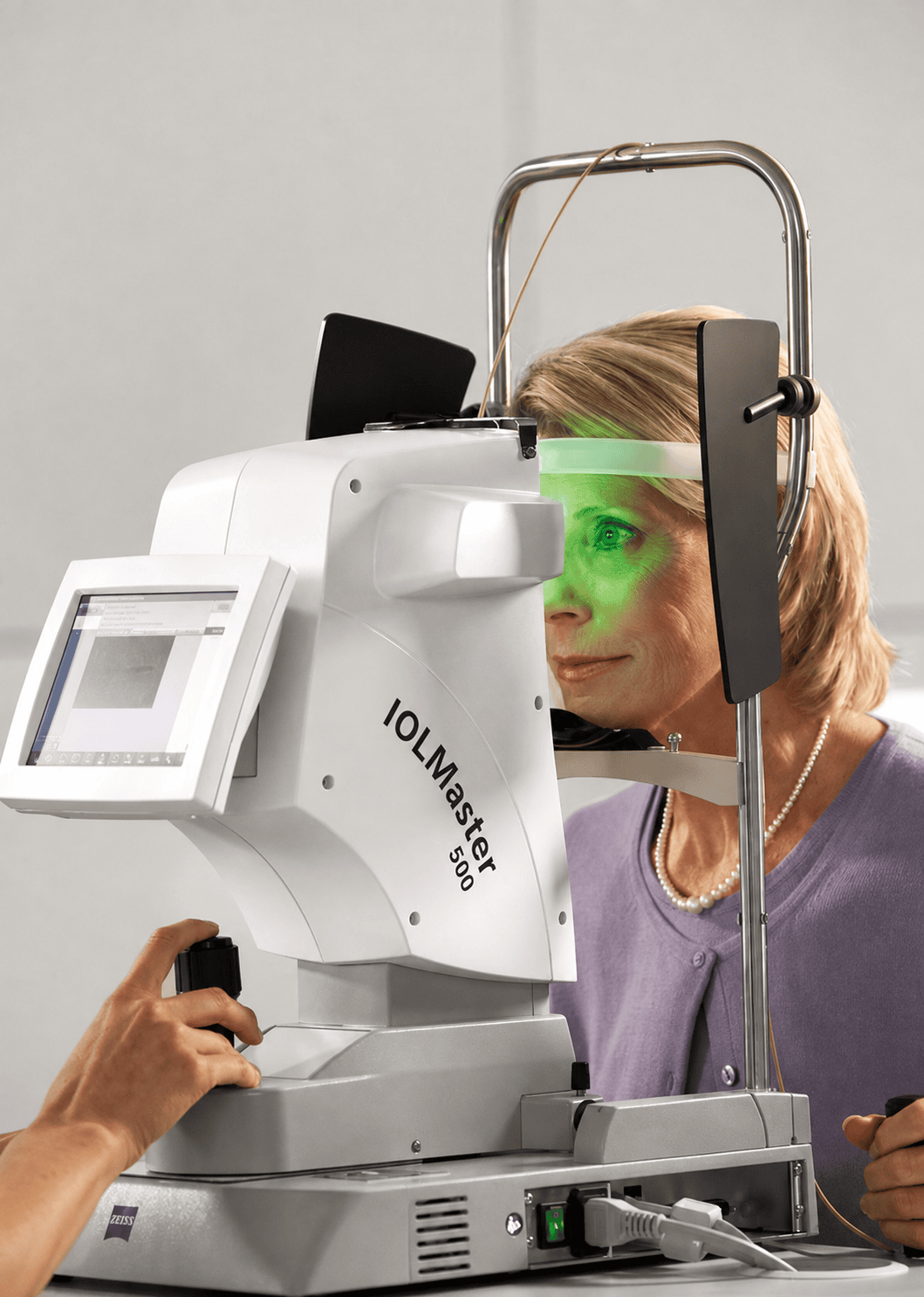
Tests may include optical biometry with the IOLMaster to calculate intraocular lens power, corneal topography to assess curvature and astigmatism, macular OCT to examine the center of the retina, ocular ultrasound and A-scan measurements, as well as endothelial microscopy to measure the corneal endothelial cells.
The examination concludes with dilated fundus biomicroscopy to identify diseases of the retina, macula, or optic nerve, as well as other conditions that could affect suitability for treatment and the expected visual outcome.
02. Procedure
Presbyopia correction with intraocular lens implantation is usually performed as an outpatient procedure under local anesthesia using eye drops. The patient arrives at the clinic approximately one hour before surgery. Drops are first administered to dilate the pupils, followed by anesthetic drops to numb the eye.
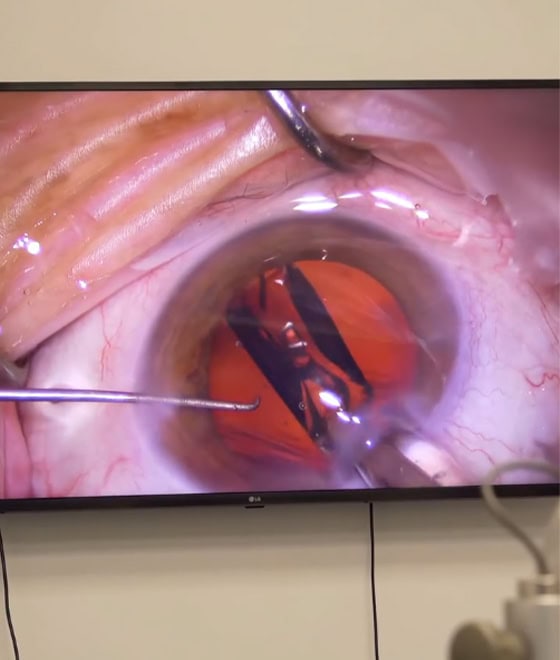
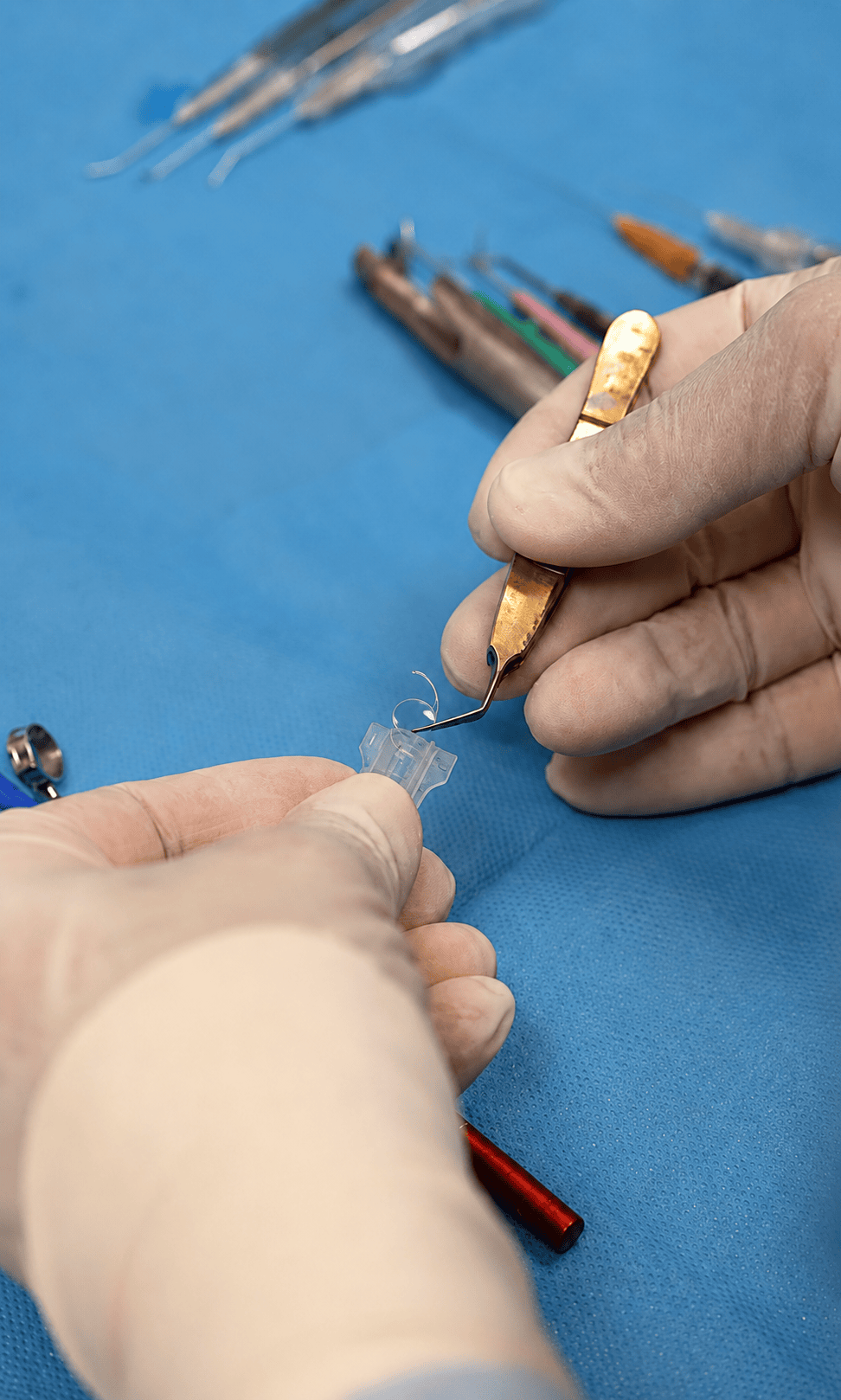
During surgery, the aging natural lens, which has lost its ability to accommodate, is removed using a controlled aspiration technique. It is replaced with a multifocal intraocular lens or an extended depth-of-focus intraocular lens (Symfony) through an incision of approximately 2 mm. The incision is usually self-sealing and does not require stitches.
The procedure takes approximately 10 minutes per eye. Most patients experience little or no pain, although they may notice light, movement, or slight pressure. When appropriate under the clinic’s protocol, both eyes may be treated during the same session to allow faster visual rehabilitation. Dr. Taneja determines whether treating both eyes on the same day or on separate dates is more appropriate for the patient.
After the postoperative examination, the patient may leave the clinic approximately 15 minutes after the procedure. Transportation home should be arranged, and all instructions provided by the clinic must be followed.
03. Recovery and Follow-Up
Vision usually begins to improve quickly, and many patients return to their usual activities within 3–5 days. Complete healing and adaptation to the multifocal intraocular lens or extended depth-of-focus intraocular lens may take longer and vary from patient to patient.
The prescribed eye drops must be used according to the schedule provided by the clinic. Follow-up examinations are usually performed on the first day after the procedure, seven days after surgery, and approximately three weeks after the procedure.
Strenuous physical activity should be avoided during the initial recovery period. During the first three days, tap water must not enter the operated eye. The patient should avoid rubbing the eye, excessive bending, and heavy lifting during the first month or for the period recommended by Dr. Taneja.
Vision can be used relatively soon after the procedure, but temporary blurring, glare, halos around lights, or a period of visual adaptation may occur. The patient should not drive or resume strenuous activities without the doctor’s approval. Severe pain, sudden loss of vision, redness, or a sudden increase in floaters requires urgent contact with the clinic.
Diagnostics and Technology
IOLMaster
The IOLMaster is a device that measures the parameters required to calculate the power of the intraocular lens to be implanted during the procedure. The lens power is calculated using the eye’s axial length, keratometry readings, anterior chamber depth, and specialized formulas. The patient sits in front of the device and rests their chin and forehead on the supports while the device automatically records all the necessary data. The examination is painless, takes approximately 30 seconds, and provides immediate results.
ULTRASOUND + A-SCAN
Ocular ultrasound and A-scan are used to examine the internal structures and axial length of the eye. The patient sits in a comfortable chair while the doctor gently places an ultrasound probe over the closed eyelids and records the necessary images. During the A-scan examination, anesthetic eye drops are applied before the probe is placed on the surface of the cornea. The examination is painless, safe, and takes only a few minutes.
Corneal Topography
Corneal topography is an examination that creates a map of the curvature of the cornea’s front surface and determines the degree of corneal astigmatism. The patient sits in front of the device and rests their chin and forehead on the supports while the device automatically records all the necessary data. The examination is painless, takes only a few seconds, and provides immediate results.
Endothelial Microscope
The endothelial microscope is used to measure the number and condition of the corneal endothelial cells. The patient sits in front of the device and rests their chin and forehead on the supports while the device automatically records all the necessary data. The examination is painless, takes only a few seconds, and provides immediate results.


Indian Eye Clinic Tirana: 15+ Years of Trust


Retina | Cataract | Refractive Surgery


The right care for a lifetime with clear vision
Every successful treatment begins with an accurate diagnosis and a personalized care plan. Discover the real stories of patients who trust Indian Eye Institute and Laser Center.


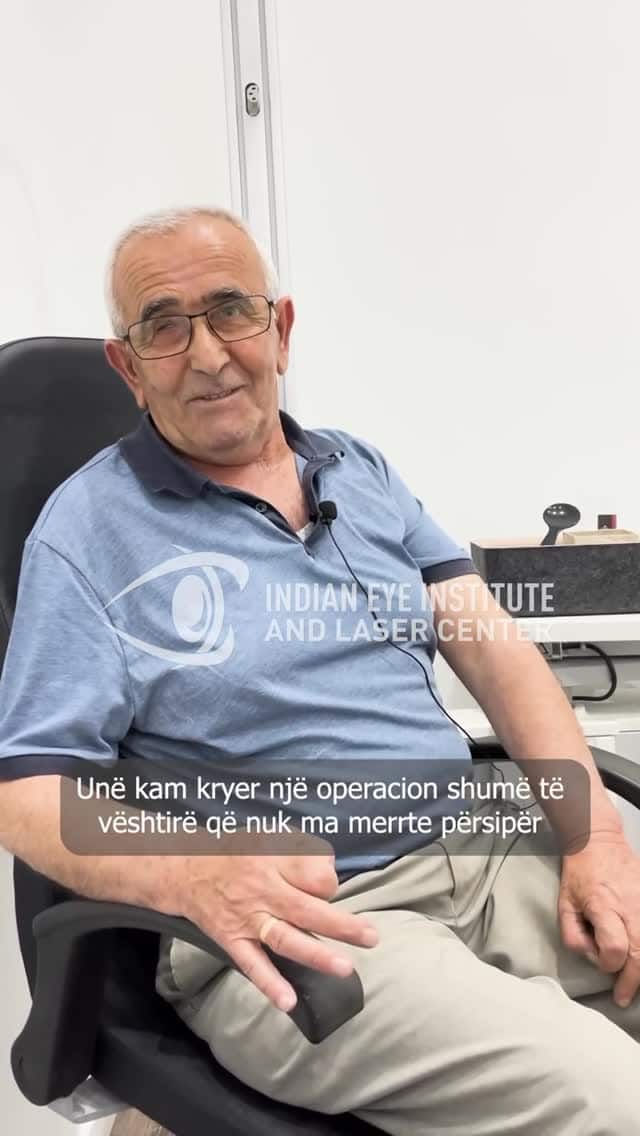


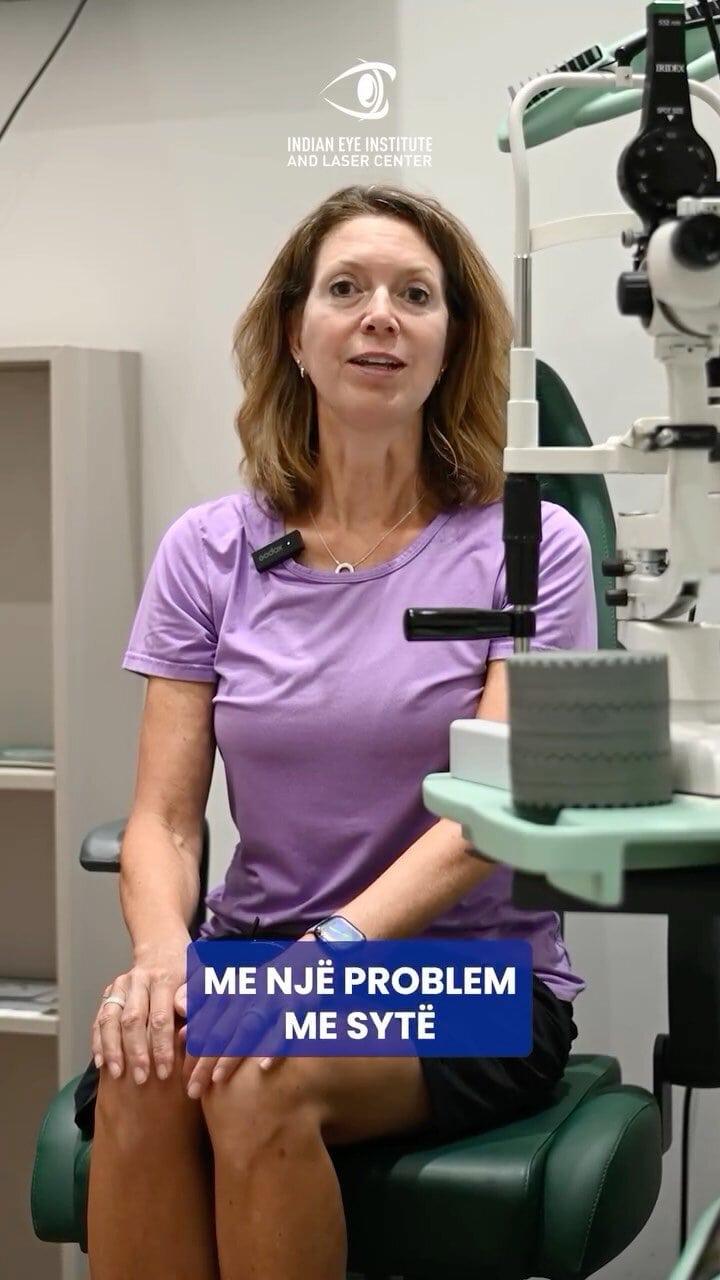



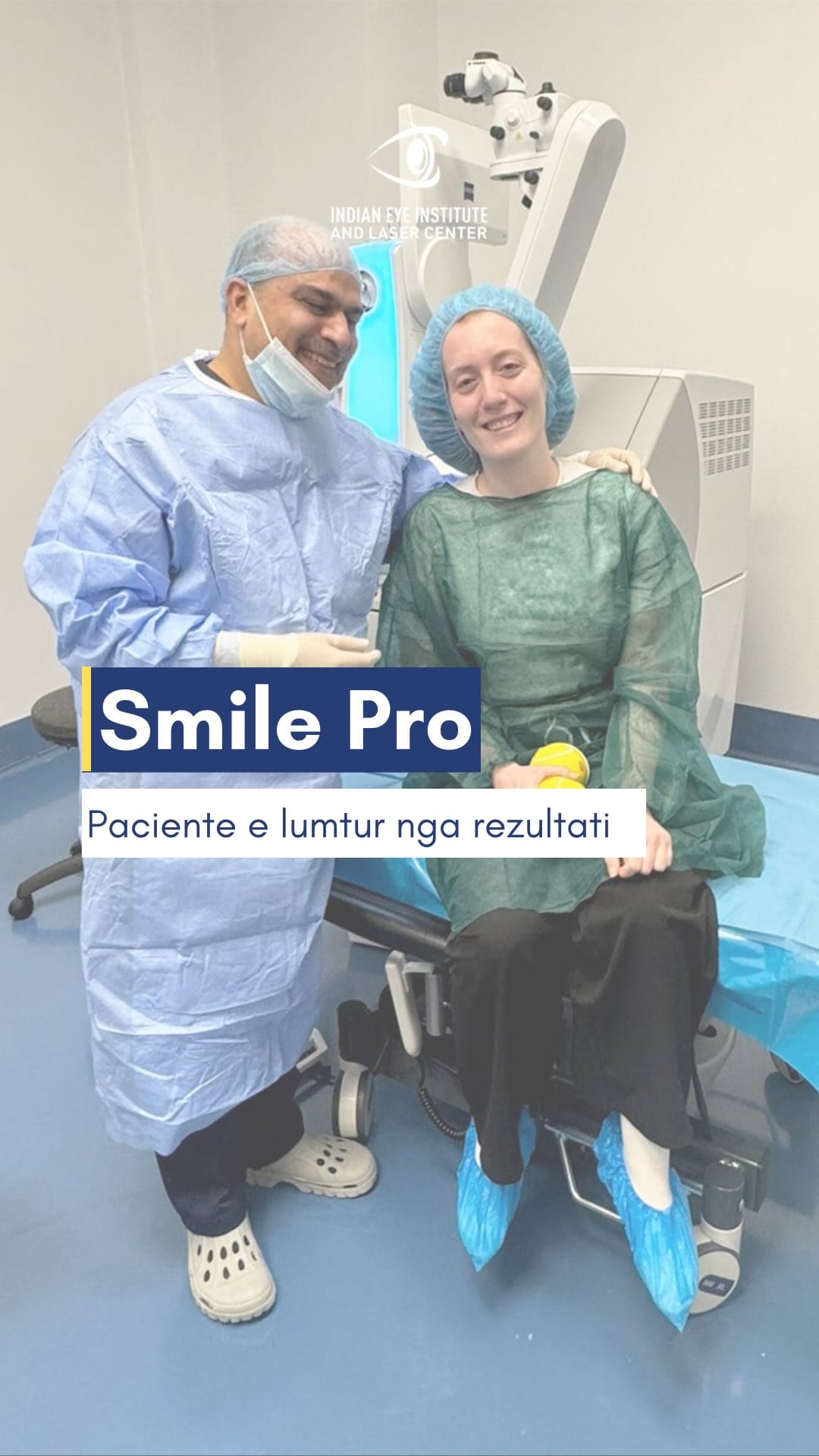


I have advanced glaucoma in both eyes and have undergone glaucoma and cataract surgery with Dr. Taneja. I have been receiving regular follow-up care from Dr. Taneja for the past 11 years.
I am very happy and satisfied with my experiences at Dr. Taneja’s clinic. The staff are helpful, knowledgeable, competent, and very pleasant. Dr. Taneja has worked diligently to preserve my vision, and I am extremely pleased with the care I have received. He deserves recognition for how good he is at what he does. I would recommend him 100% to anyone with serious eye problems.
I have suffered from a long-term problem with floaters in both eyes. Dr. Nishant Taneja is truly an expert in his field who allows patients to consider nonsurgical options as the first course of treatment. He is professional and courteous, treats patients with respect, and communicates clearly in terms that ordinary people can understand. I believe he is honest and straightforward, and he is taking excellent care of me.
I have been a patient of Dr. Nishant Taneja since 2010, when I was diagnosed with wet macular degeneration. He has treated me with Avastin, Eylea, and now brolucizumab, and I can still read large print.
I owe my sight to his treatments. He has taken excellent care of my eyes. The staff are absolutely outstanding in their courtesy and professionalism. I am 93 years old and can still read clearly. Thank you!
When I first came here, I thought I would go blind in my left eye. I was diagnosed with a vitreous hemorrhage caused by detachment of the vitreous gel. After the laser treatment, my vision returned to what it had been before.
I have received excellent medical care here. The entire staff have been very kind and have made everything much easier for me. I am very happy.
Many thanks to the entire staff. The whole process of my cataract surgery and the care I received were the best I have ever experienced at any medical practice. The staff and technology were first-rate. Dr. Taneja is simply phenomenal. Thank you again.
I underwent surgery for a retinal detachment last week. I experienced no pain during or after the operation. I slept well the following night without needing any pain medication. If anyone has questions about retinal surgery, please feel free to call me.
I am impressed by the high standard of patient care I received from Dr. Taneja at the Indian Eye Institute. I hold him in the highest regard.
I have had diabetes for over 30 years. Over the past 5 years, my vision gradually deteriorated. I had been receiving treatment from my ophthalmologist for the previous 4 years. The treatment involved injections, but the situation seemed to be getting worse. I could barely see well enough to drive, could not read anything on my phone, and began having difficulty recognizing people from a distance. I therefore decided to visit Dr. Nishant Taneja on the recommendation of my eye doctor. He was prompt, efficient, and professional. Within minutes, he had mapped out a treatment plan for both of my eyes and advised me to follow it. I was truly impressed by his energy, optimism, and confidence.
After several injections and laser treatments, he said that I needed a vitrectomy in my left eye. It went perfectly, without any complications. My vision in that eye was restored to 20/20. I felt as though I were opening my eyes for the first time.
After I recovered from that procedure, Dr. Taneja said that my right eye also needed surgery. So, without hesitation, I had that eye treated as well. I now have 20/20 vision in both eyes, and everything is wonderful.
I can now see my two young grandchildren clearly. This has improved my quality of life tremendously. Without a doubt, I am probably the happiest patient Dr. Taneja has ever had!
I am delighted to express my appreciation for Dr. Taneja and his exceptional staff.
If you are reading this review while deciding on a retina specialist, you have definitely come to the right place! An excellent doctor and staff. I am more than completely satisfied!
I believe Dr. Taneja is an exceptionally talented surgeon.
I began wearing glasses and contact lenses at the age of 12. I relied on them to see and read. During the spring, pollen irritated my eyes, and I could no longer wear my contact lenses.
After the procedures performed by Dr. Taneja, I went from being unable to see to having clear vision without contact lenses or glasses.
I would recommend Dr. Nishant Taneja for any procedure he performs. He is highly meticulous, compassionate, and understanding.
He worked a miracle for me. I thank God for his talent.
Patient Education Videos
View All
The SMILE Pro Procedure
Chemical Eye Injuries
Diabetic Retinopathy
Signs That Should Not Be Ignored
Examination and Treatment
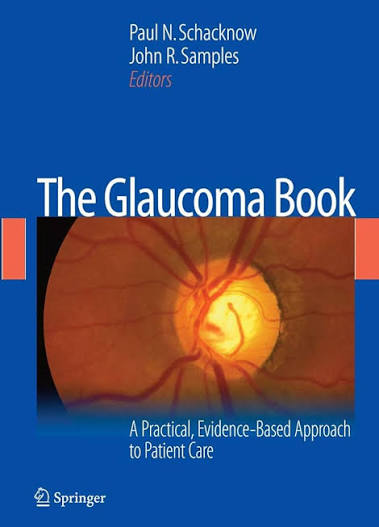
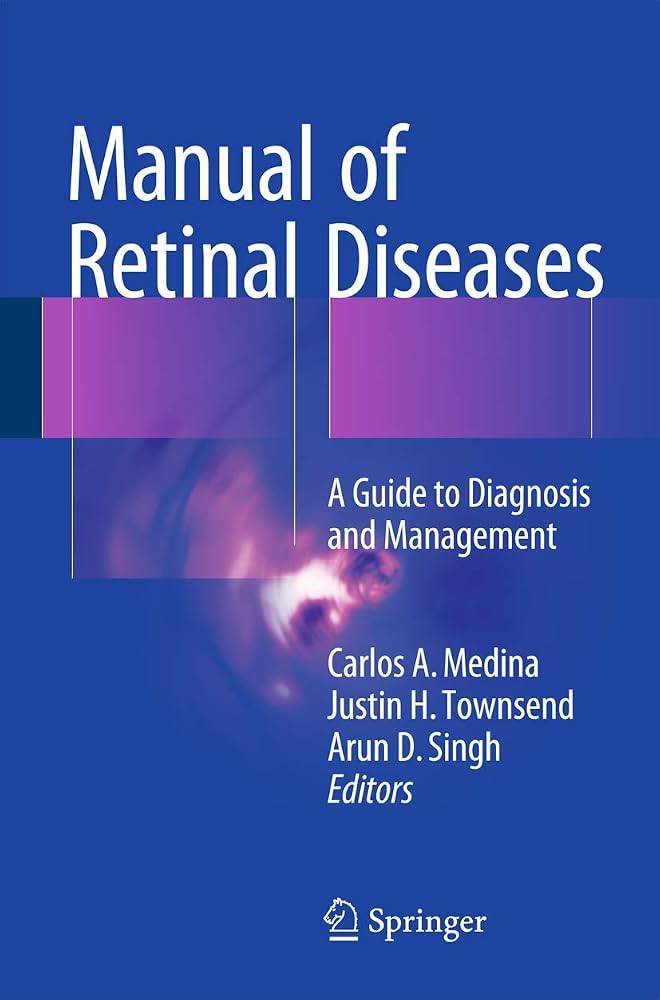
Download the Guides Free for Patients

Frequently Asked Questions
Suitability depends on your age, prescription, the condition of your cornea and retina, your natural lens, your dominant eye, your medical history, and your expectations. A comprehensive examination by Dr. Nishant Taneja is required before any surgical treatment can be recommended.
The most suitable option may be reading or progressive glasses, multifocal or monovision contact lenses, or surgical treatment. Dr. Taneja will recommend only the options that match your eye measurements, visual needs, and tolerance for potential effects such as glare, halos around lights, or the occasional need for glasses.
No treatment can guarantee complete independence from glasses. Many suitable patients reduce their dependence on reading glasses, but they may still be needed for very small print, prolonged close work, poorly lit environments, or tasks requiring very fine vision.
This depends on the selected treatment and the condition of your eyes. Glasses or contact lenses correct both eyes at the same time, while the timing of intraocular lens surgery is planned individually. Dr. Taneja will explain whether treating your eyes on separate dates would be safer or more appropriate for you.

Take the First Step Toward Better Vision.
Fill out the form below and our team will contact you
to schedule a consultation and answer your questions.