



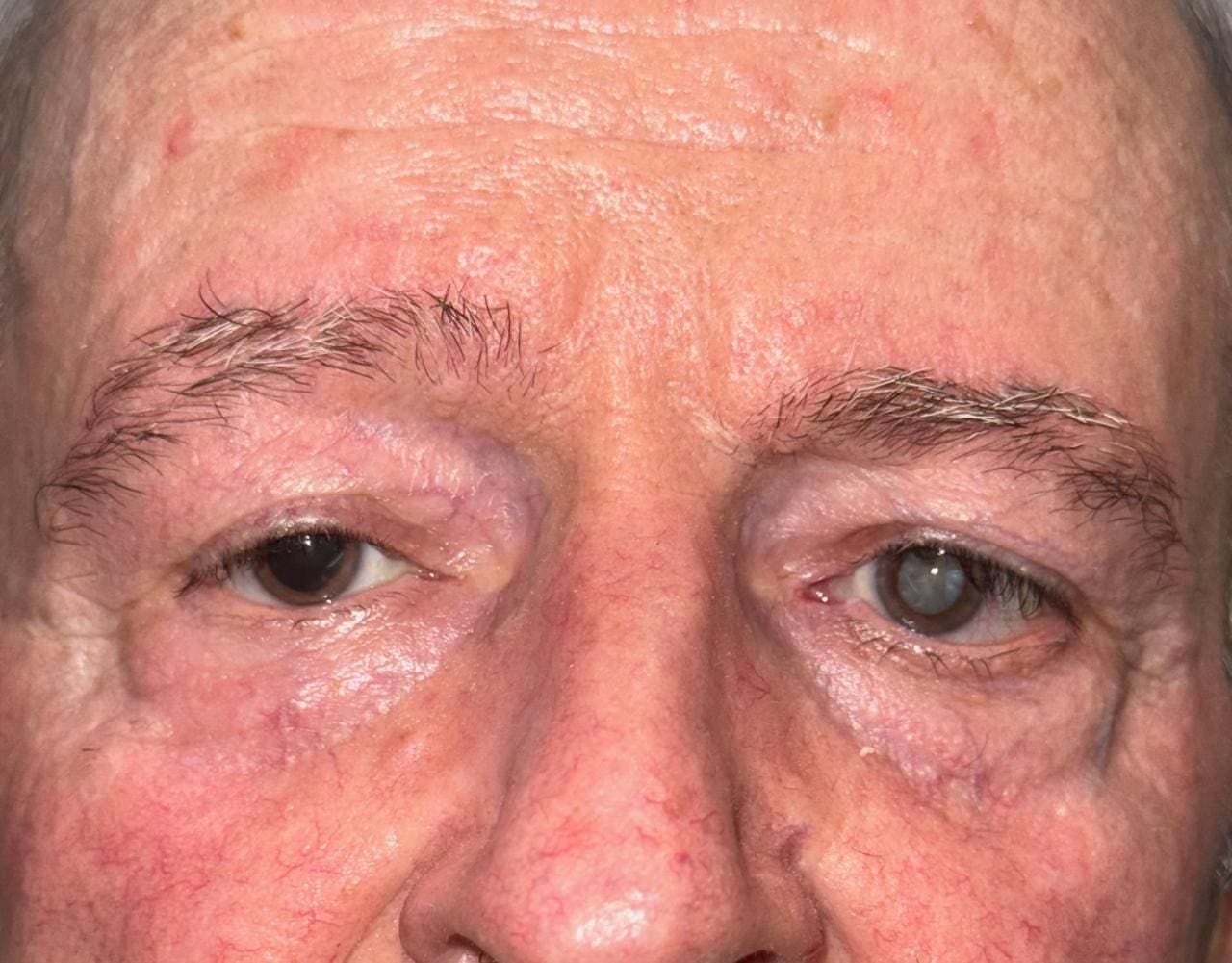
Cataracts usually develop slowly. At first, the changes may seem minor: needing more light when reading, colours appearing less vivid, or discomfort from headlights when driving at night.
Over time, clouding of the eye’s natural lens can make reading, working, driving, and other everyday activities more difficult.
Cataract surgery is a treatment that removes the cloudy lens and replaces it with an artificial intraocular lens. At the Indian Eye Institute and Laser Center in Tirana, the procedure is performed under the care of Dr. Nishant Taneja and individually planned according to the condition of the eye, the patient’s visual needs, and lifestyle.
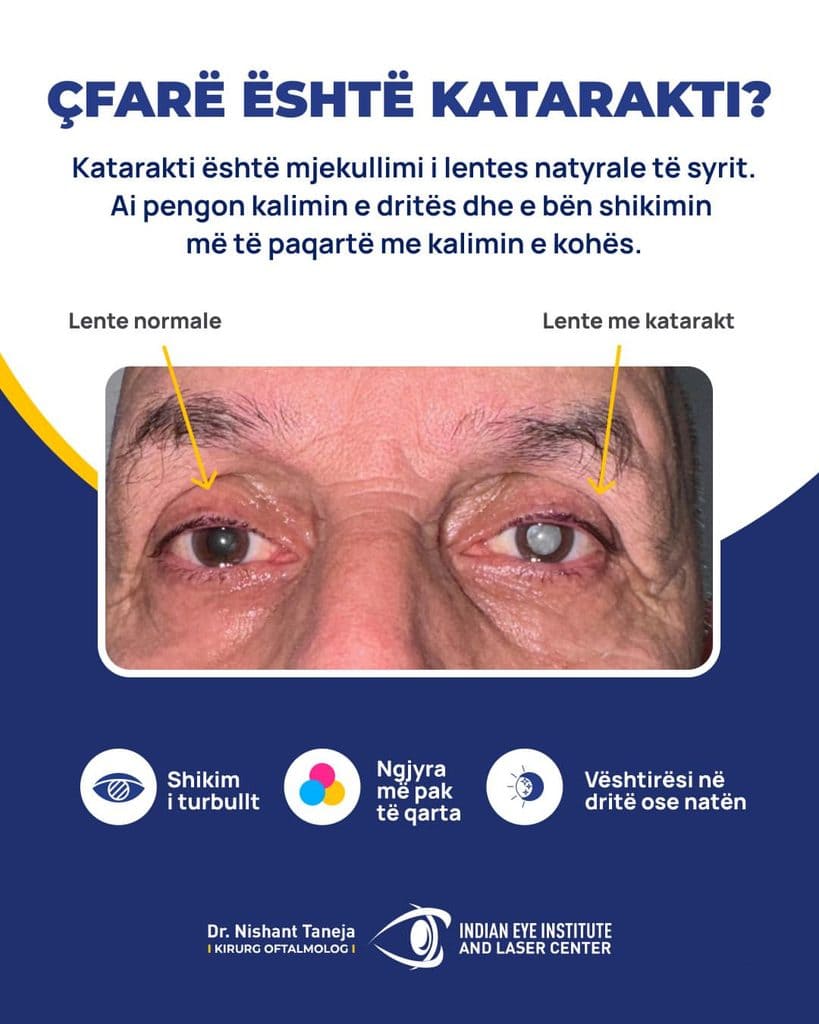
What Is a Cataract?
The eye’s natural lens is located behind the iris and, when clear, helps focus light onto the retina. A cataract develops when this lens loses its transparency.
As a result, light is no longer focused properly, and vision may appear blurred, dimmer, or have less contrast.
Cataracts are most commonly associated with the natural ageing process, but they can also be influenced by other factors, such as diabetes, eye trauma, long-term use of certain medications, radiation exposure, or previous eye surgery. Congenital forms of cataract also exist.
Cataracts cannot be removed with eye drops, medication, or eye exercises. In the early stages, new glasses and better lighting may help temporarily, but surgery is the treatment that removes the cloudy lens itself.
What Are the Symptoms of Cataracts?
Symptoms may vary depending on the type and severity of the cataract. The most common signs include:
- Blurred, cloudy, or dim vision
- Increased sensitivity to light
- Glare from sunlight or headlights
- Difficulty seeing at night
- Halos around lights and headlights
- Colors that appear less vivid or yellowish
- Frequent changes in eyeglass prescription
- Need for brighter light when reading
- Double vision in the affected eye
These symptoms may also be associated with other eye conditions. Only a comprehensive eye examination can confirm whether cataracts are the cause and assess whether the retina, cornea, optic nerve, or other parts of the eye require special attention.

When Is Cataract Surgery Recommended?
There is no need to wait for the cataract to “mature.” Surgery is generally recommended when reduced vision begins to affect the patient’s independence and quality of life.
Someone who drives every day, performs fine-detail work, or reads frequently may feel the need for treatment sooner than someone with different visual demands.
The decision is not based solely on the degree of clouding. The surgeon considers:
- Visual acuity
- Glare
- Overall eye health
- The patient’s occupation
- Daily activities
- Lifestyle
- Expectations after surgery
Surgery may also be necessary when the cataract prevents the examination or treatment of another eye condition.
More complex cases, such as cataracts following trauma, problems with the lens-supporting ligaments, complications from previous surgery, or coexisting retinal disease and glaucoma, require more specialised planning.
How is the procedure planned?
Before surgery, a detailed examination is performed to assess the cataract and the other structures of the eye. Biometric measurements are taken to determine the power of the intraocular lens to be implanted.
The patient’s medical history, current medications, previous procedures, and visual needs are also discussed.
Lens selection is an important part of the planning process. Monofocal lenses typically provide one main point of focus, often for distance vision, and the patient may still need reading glasses.
Multifocal lenses and other premium lenses are designed to provide vision at more than one distance and reduce dependence on glasses. However, they are not suitable for every patient.
If astigmatism is present, a toric lens may be considered in some cases. The choice depends on the measurements, the health of the cornea and retina, the patient’s lifestyle, and their expectations.
No lens can guarantee perfect vision at every distance and under all lighting conditions. For this reason, clear counselling before surgery is essential.
How is cataract surgery performed?
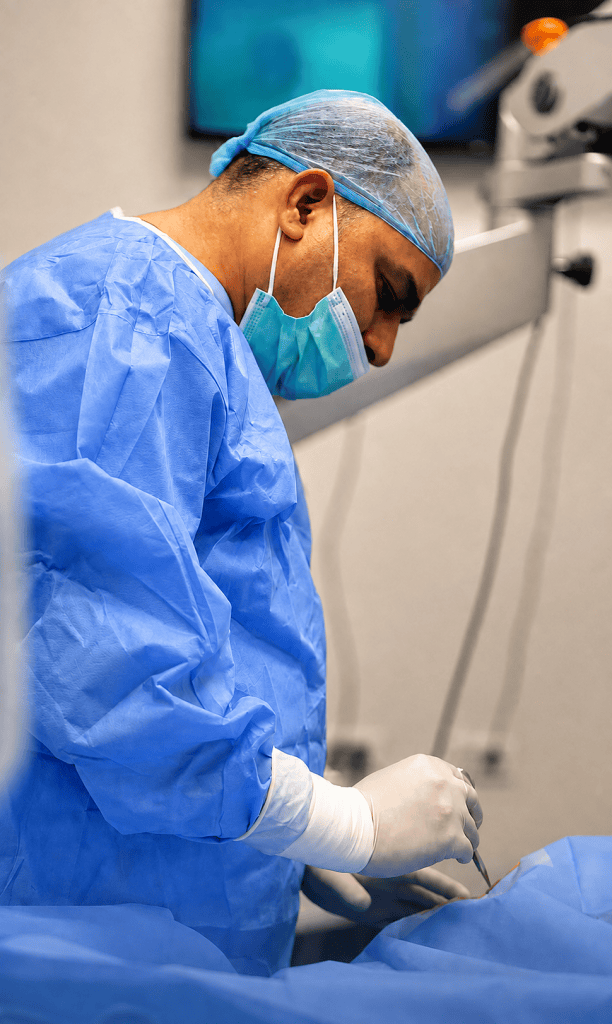
Cataract surgery is usually performed as a day procedure under local anaesthesia. At the Indian Eye Institute and Laser Center, a standard procedure typically takes around 15–20 minutes, although the duration may vary depending on the complexity of the case.
Through a very small incision, the surgeon removes the cloudy natural lens and implants the selected intraocular lens. The artificial lens remains inside the eye and takes over the function of focusing light.
During the procedure, the patient is usually awake, but the eye is numbed with local anaesthesia. The patient may see lights or movement, but the procedure is planned to minimise discomfort.
After a short period of monitoring, the patient usually leaves the clinic the same day, accompanied by a family member or another trusted person.
What should you expect after surgery?
Recovery after cataract surgery is gradual. During the first few days, vision may be blurred, and the eye may be more sensitive to light, watery, or mildly irritated.
The improvement in vision depends not only on the removal of the cataract but also on the condition of the cornea, retina, optic nerve, and any other eye conditions that may be present.
After surgery, the patient is prescribed eye drops and given personalised instructions. Patients are usually advised to:
- Use the eye drops exactly as prescribed
- Do not rub or press on the eye
- Avoid heavy lifting and strenuous activity
- Protect the eye from dust, smoke, and contaminated water
- Do not drive without the surgeon’s approval
- Attend all postoperative follow-up appointments
The surgeon will determine when the patient can return to work, sports, wearing makeup, washing their hair, and other activities. Instructions may vary depending on the healing process and the type of procedure.
Does cataract surgery carry any risks?
Like any surgical procedure, cataract surgery carries potential risks. These may include infection, inflammation, changes in eye pressure, swelling of the cornea or retina, displacement of the lens, and, rarely, complications that may seriously affect vision.
Months or years later, some patients may develop clouding of the posterior capsule that holds the artificial lens in place. This does not mean that the cataract has returned. The condition can usually be treated with a brief laser procedure when the doctor considers it necessary.
After surgery, you should contact the medical team immediately if you experience:
- Severe pain
- Sudden Loss of Vision
- Worsening redness
- Discharge from the eye
- Many new floaters
- Flashes of light
- A curtain-like shadow in the field of vision
Prompt assessment is important for any unusual symptoms.
Why does a comprehensive eye examination make a difference?
Cataract surgery is not simply the removal of a cloudy lens. It involves choosing the right time, taking precise measurements, selecting the lens, and planning according to the health of the entire eye.
Two patients with similar cataracts may have different needs and outcomes due to the condition of the retina and cornea, glaucoma, diabetes, or previous procedures.
Dr. Nishant Taneja has over 20 years of surgical experience and treats both routine cataracts and complex cases requiring vitreoretinal expertise and the management of ocular complications.
At the Indian Eye Institute and Laser Center in Tirana, every treatment plan is developed following a personalised assessment of the patient’s eyes and individual needs.
If your vision has become more blurred, lights are causing discomfort, or daily activities are becoming more difficult, book an eye consultation with Dr. Nishant Taneja. A comprehensive examination can determine whether your symptoms are caused by cataracts and when the right time for surgery may be.