



Plastic Surgery
Plastic and reconstructive eyelid surgery at the Indian Eye Institute and Laser Center in Tirana. Treatments aim to restore normal eyelid function and position, protect the surface of the eye and, when necessary, improve the appearance of the area around the eyes.
What Is Eyelid Plastic Surgery?
Oculoplastic surgery includes functional, reconstructive and cosmetic procedures that treat the eyelids, tear ducts and tissues surrounding the eye.
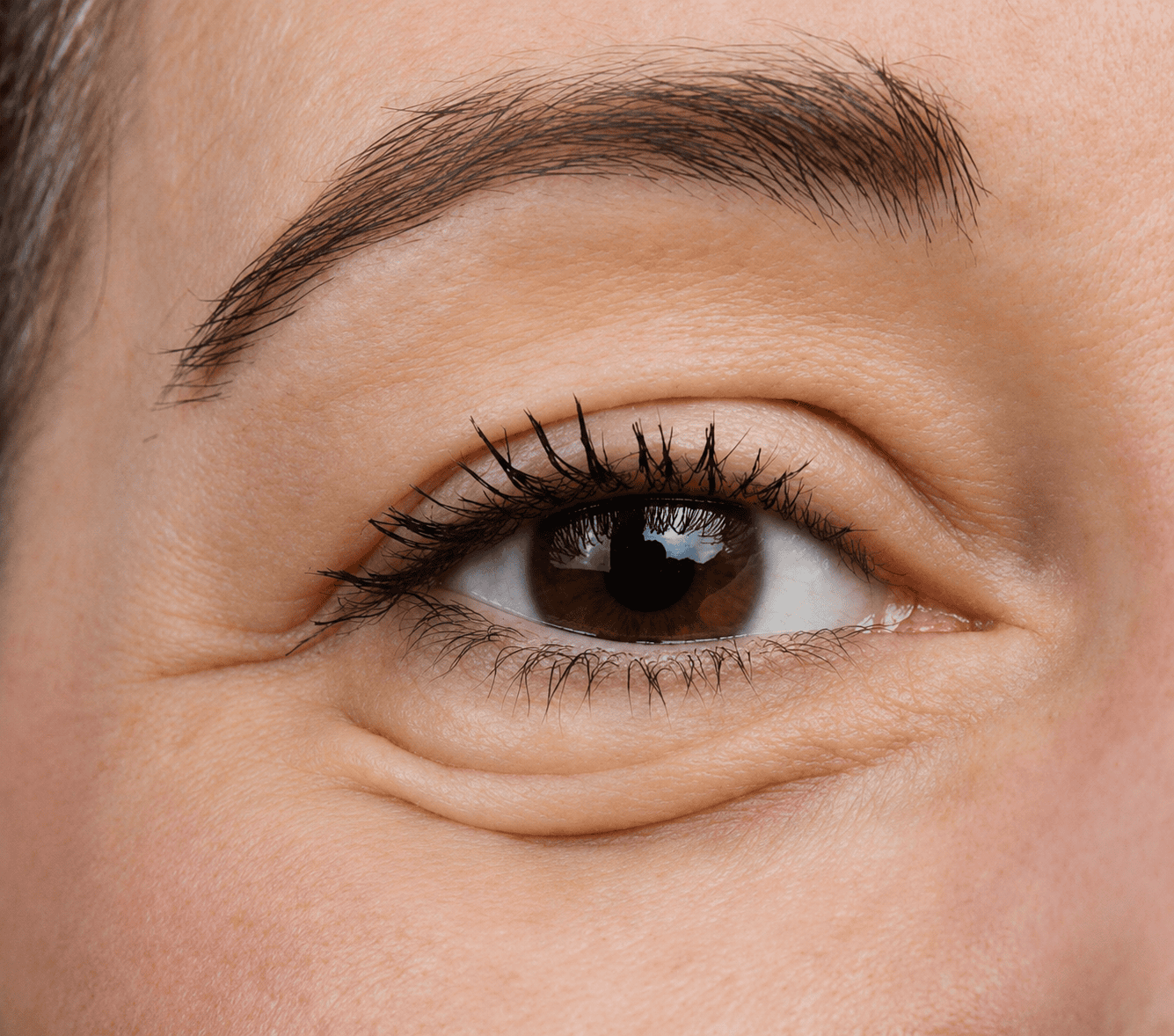
Eyelid changes are not merely cosmetic. Drooping, inward or outward turning, and the inability to close fully can cause dryness, irritation and damage to the surface of the eye.
With age, the skin becomes thinner and less elastic, the supporting tissues weaken, and fatty tissue may shift. These changes can cause dermatochalasis, ptosis, entropion or ectropion.
The clinic offers procedures to restore normal eyelid function, tumor removal and subsequent reconstruction, and treatment for tear duct conditions, congenital abnormalities and age-related changes. Minimally invasive treatments with Botox and dermal fillers are also available.
PLASTIC SURGERY AT A GLANCE
Duration:
Recovery:
Anesthesia:
Clinical experience:
PHOTO GALLERY
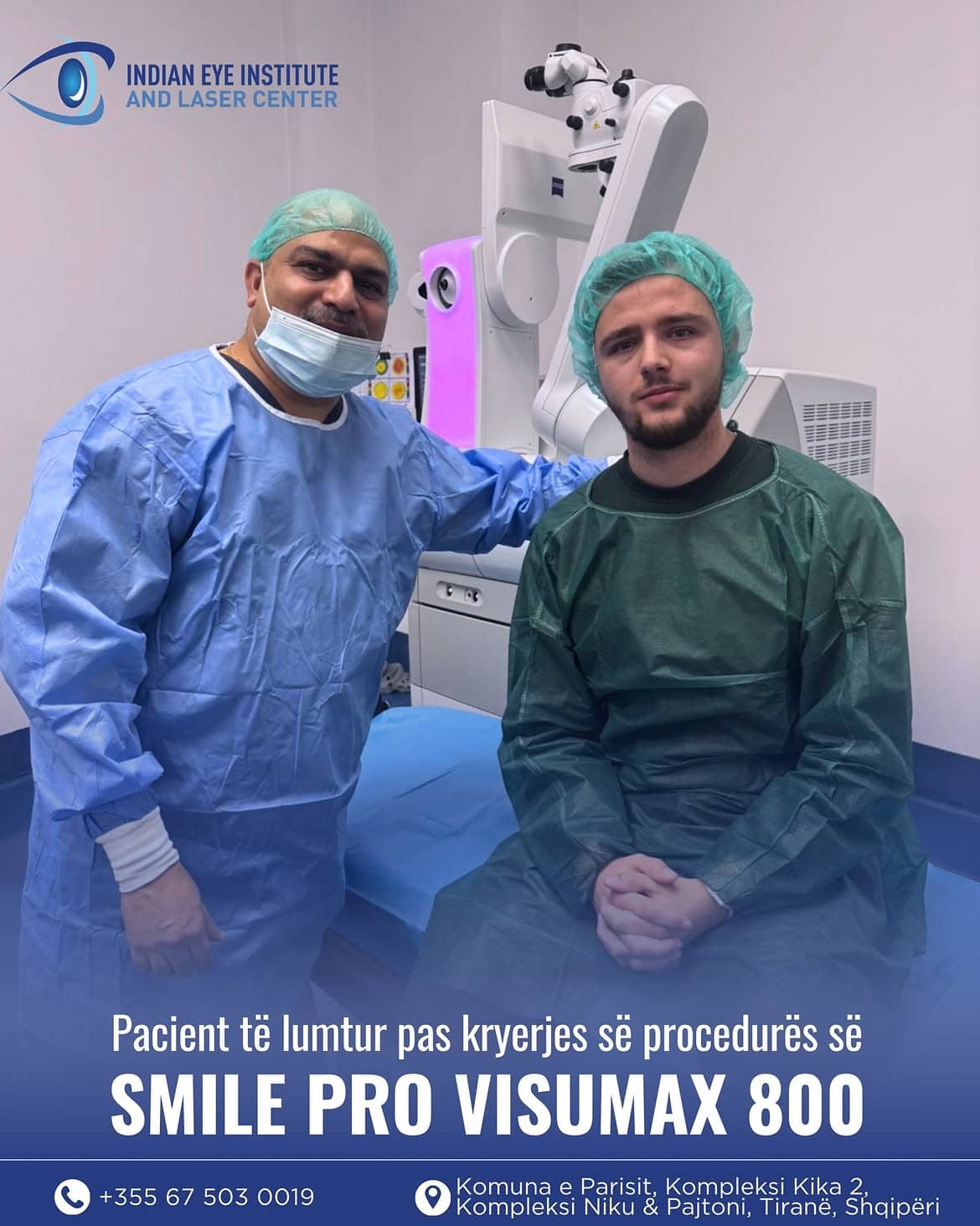
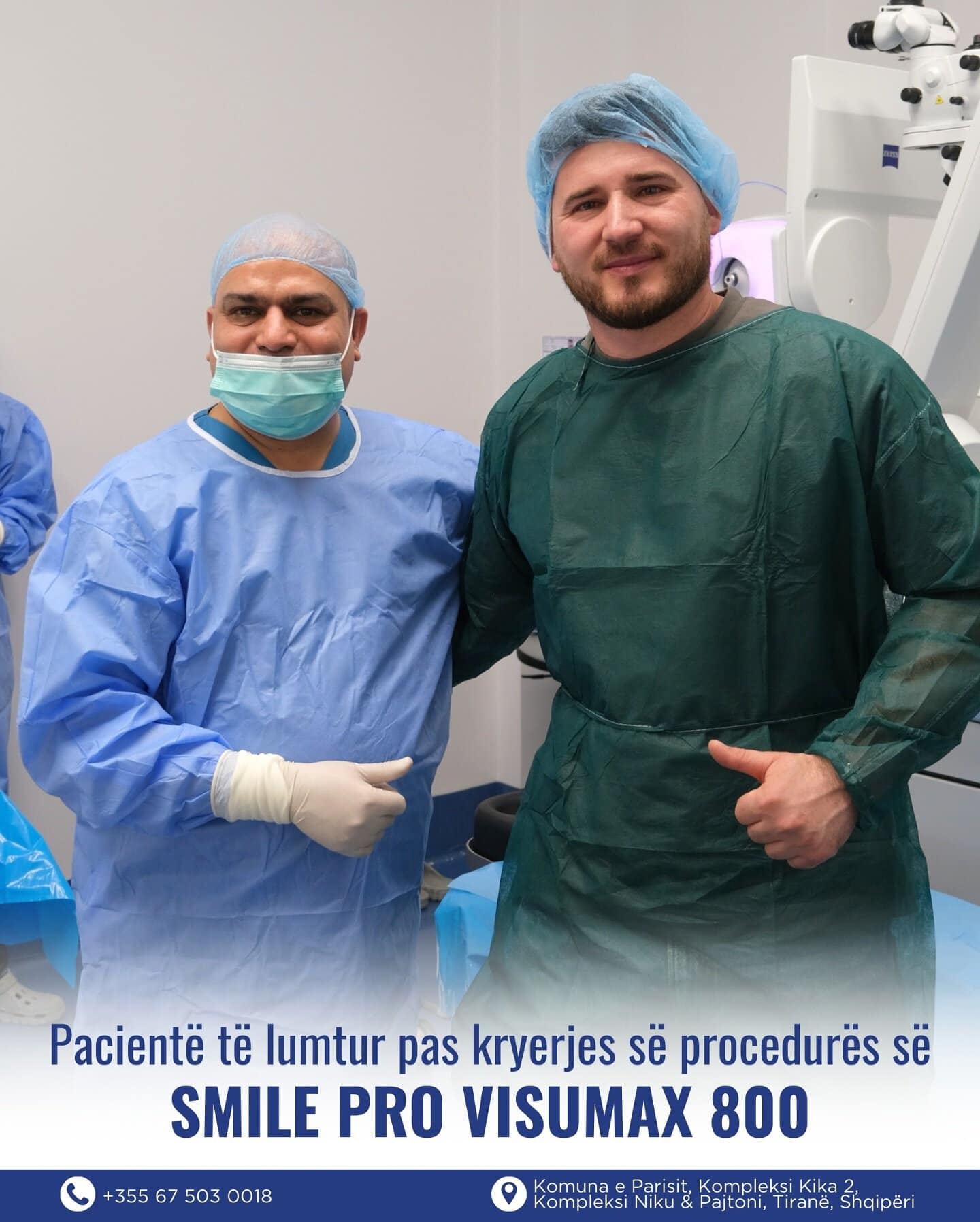
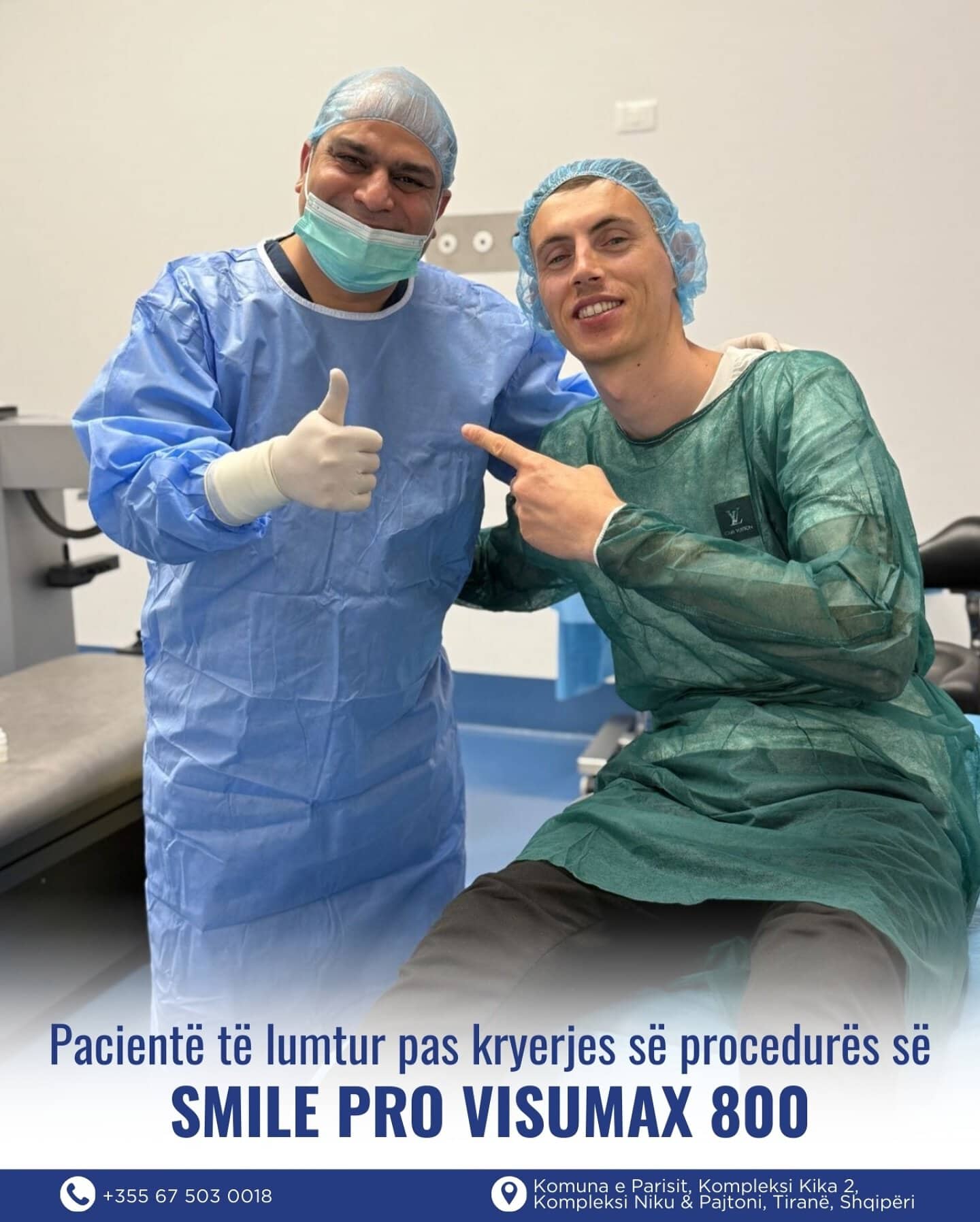
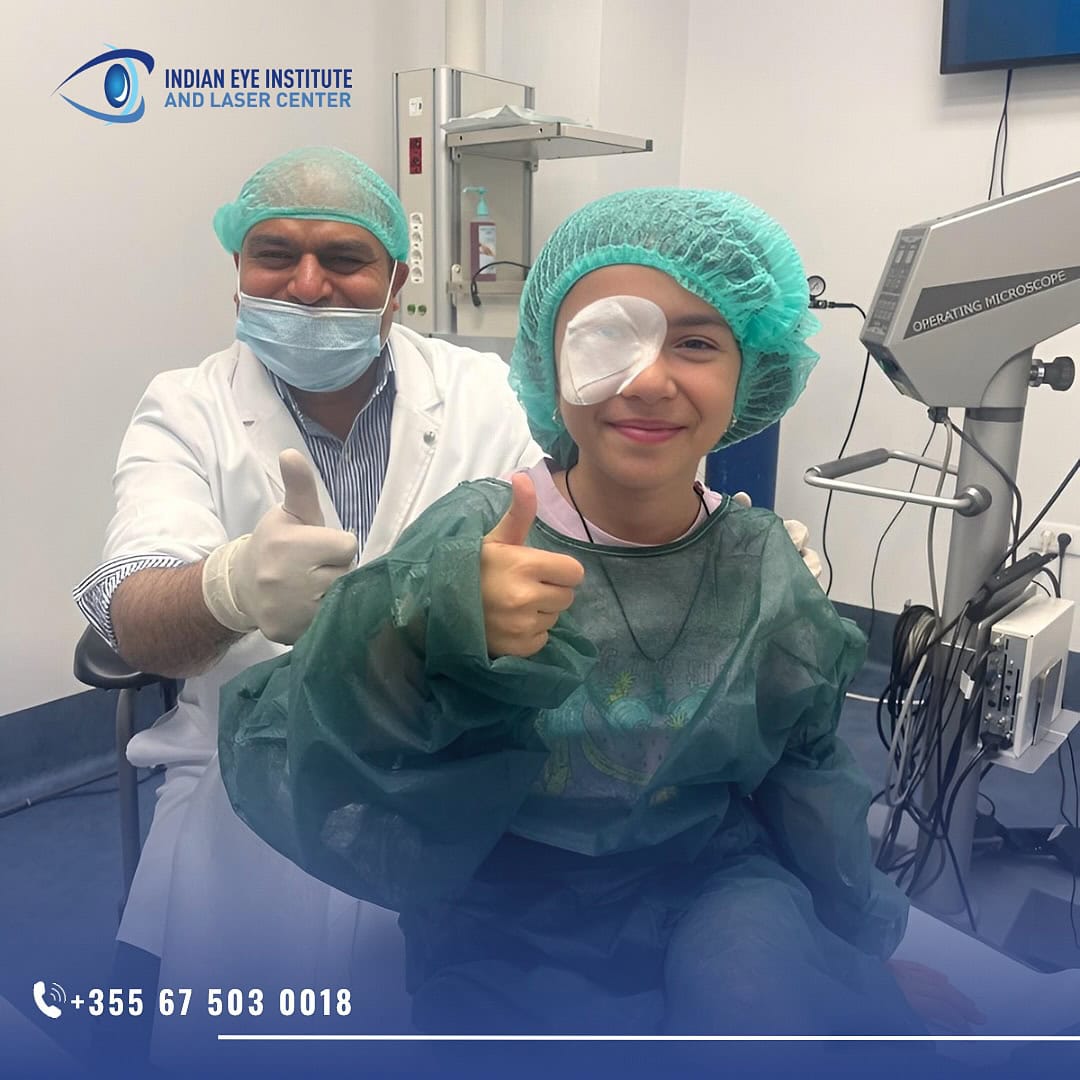
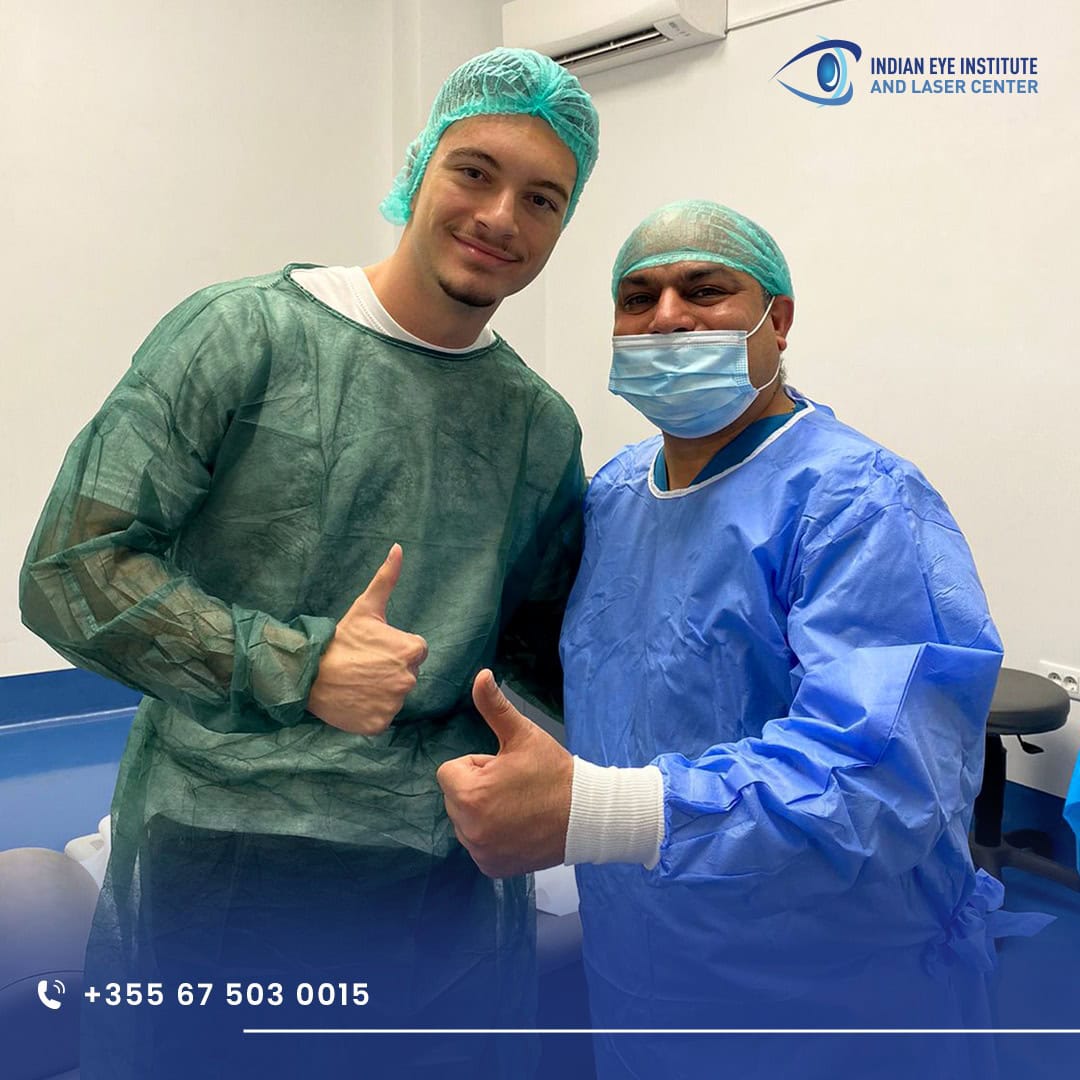
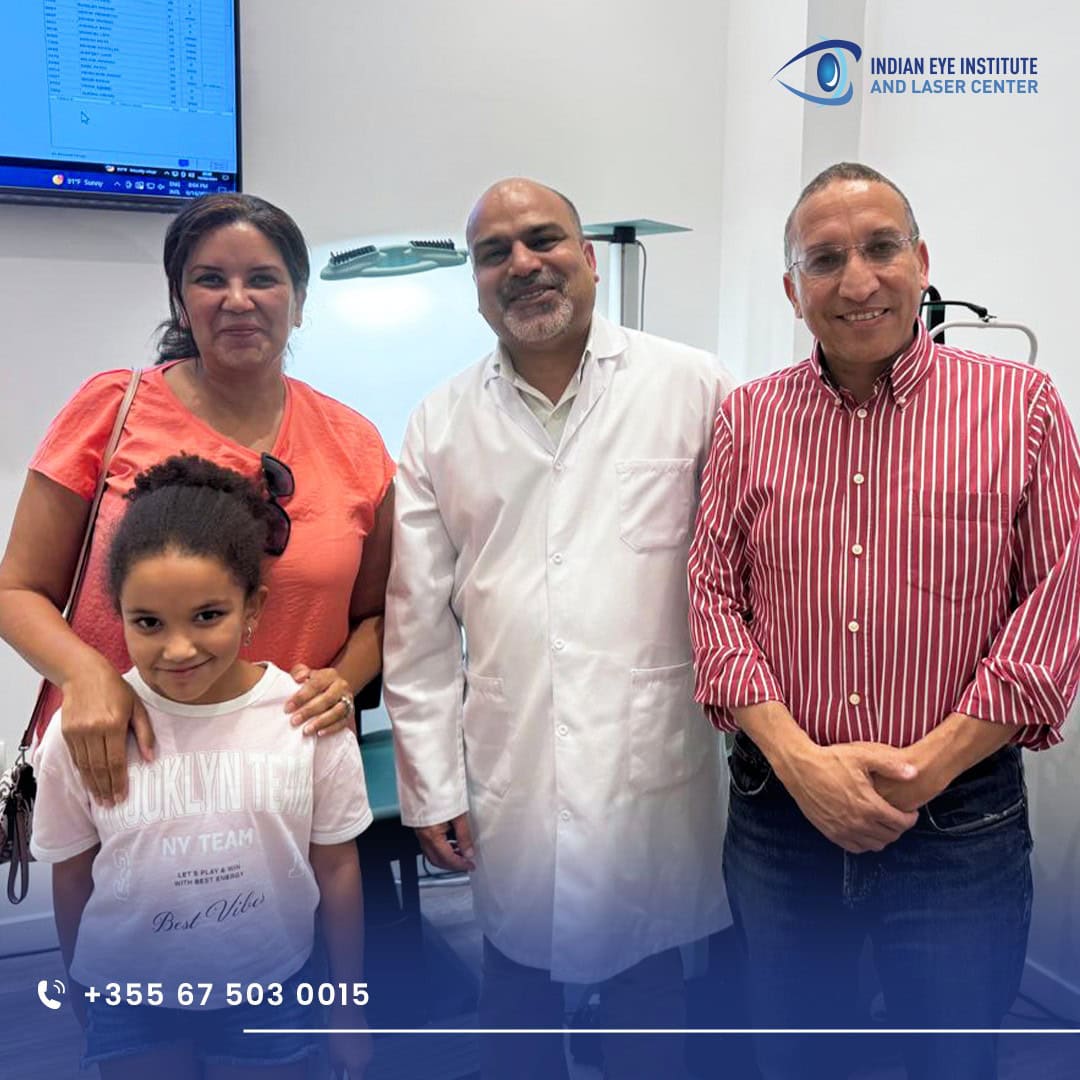
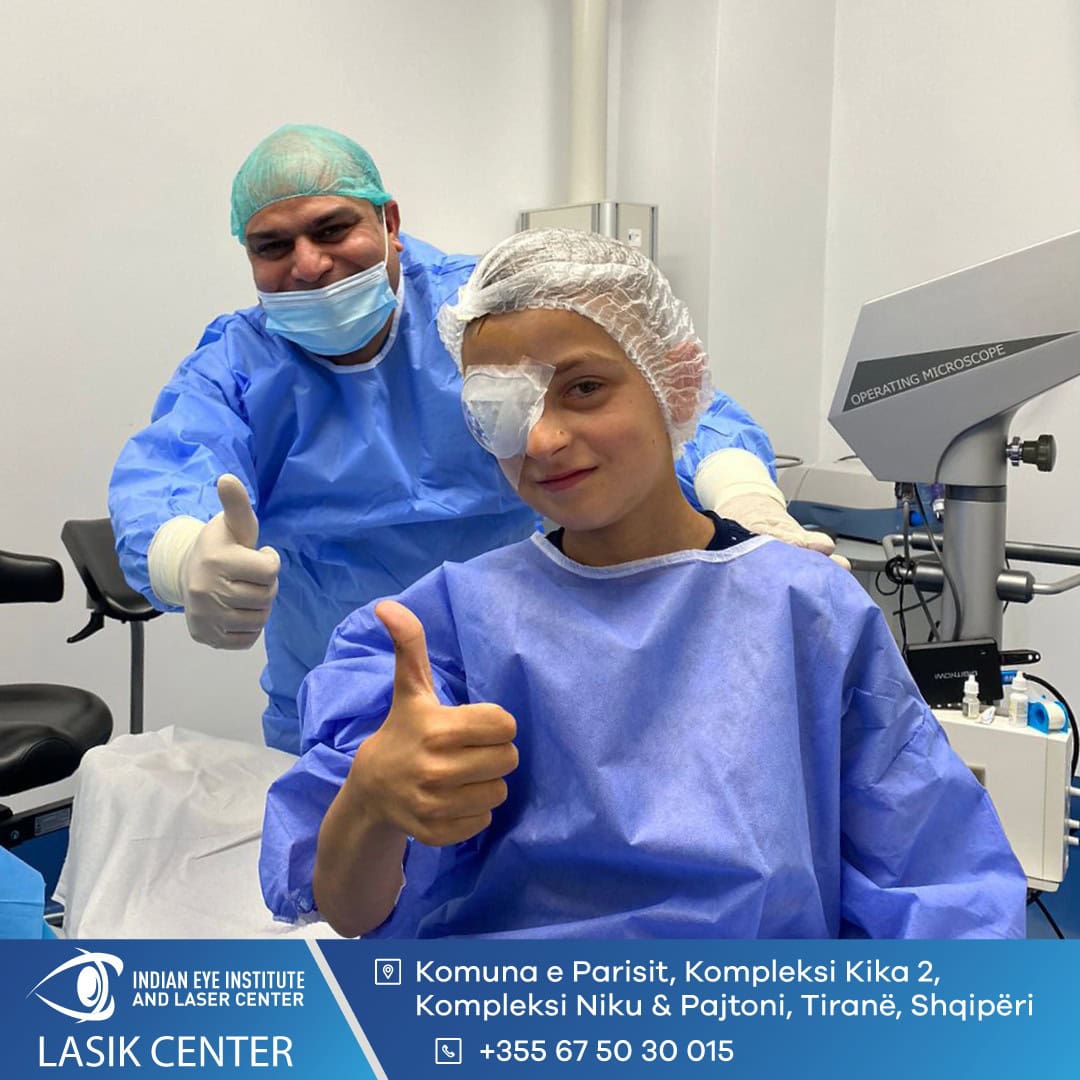
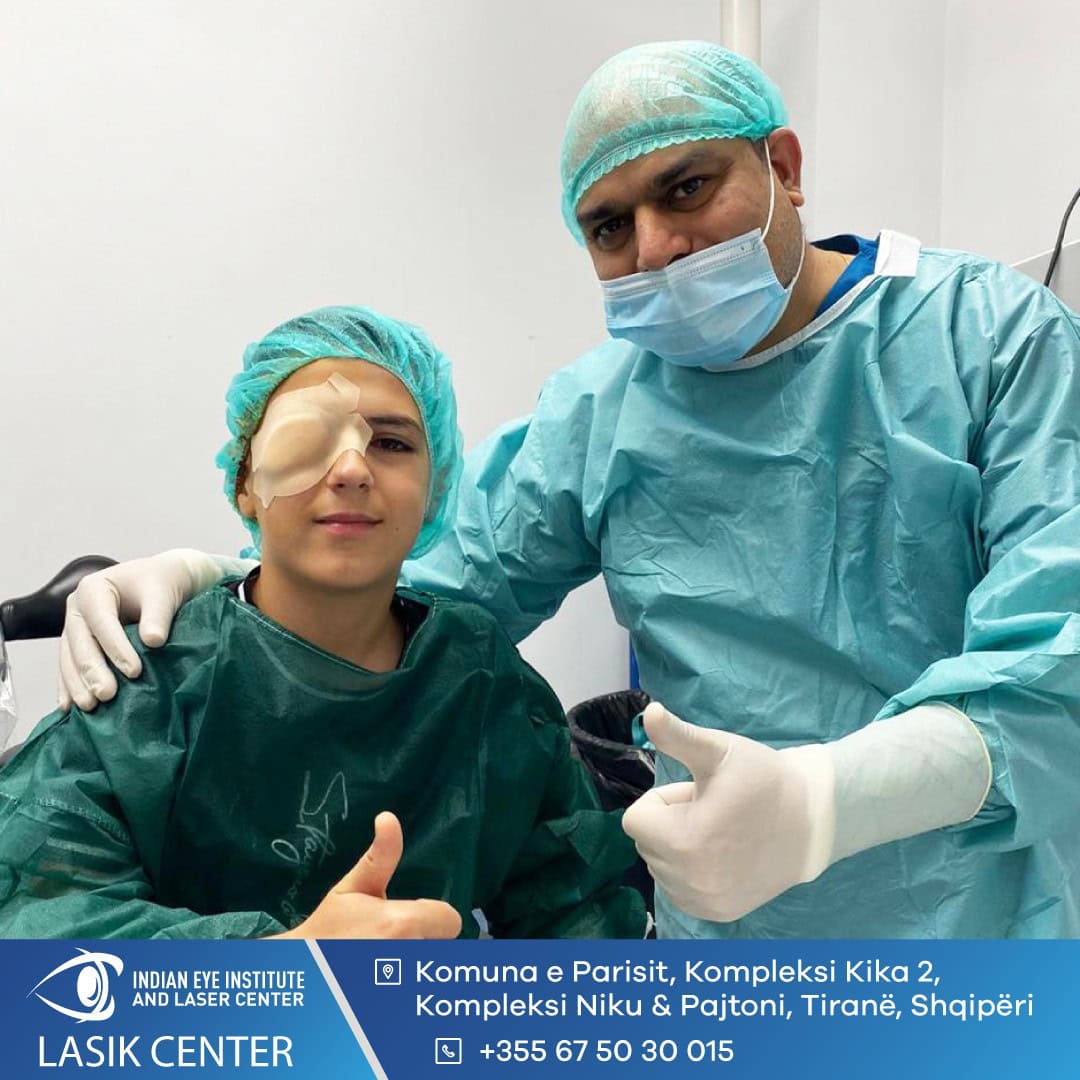
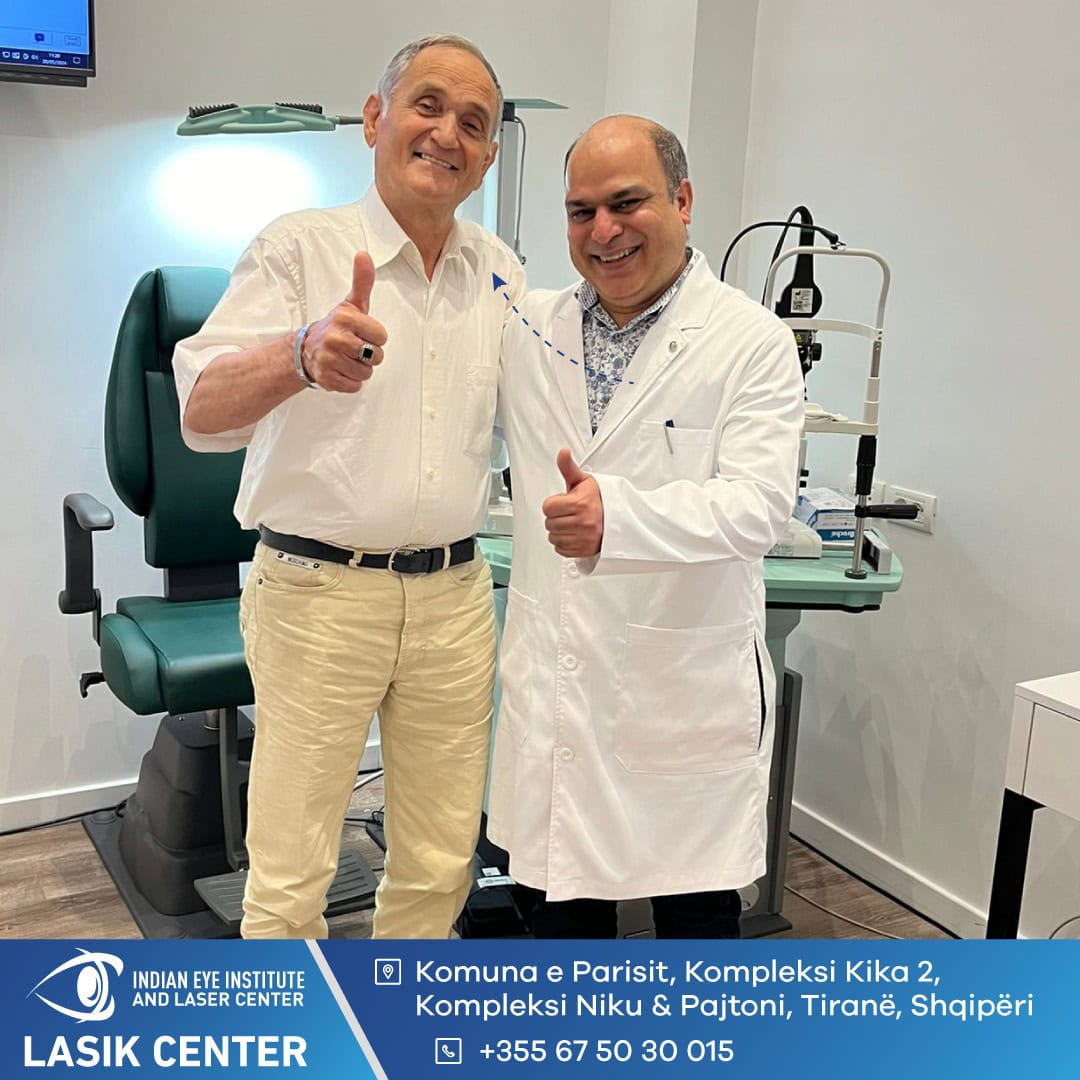
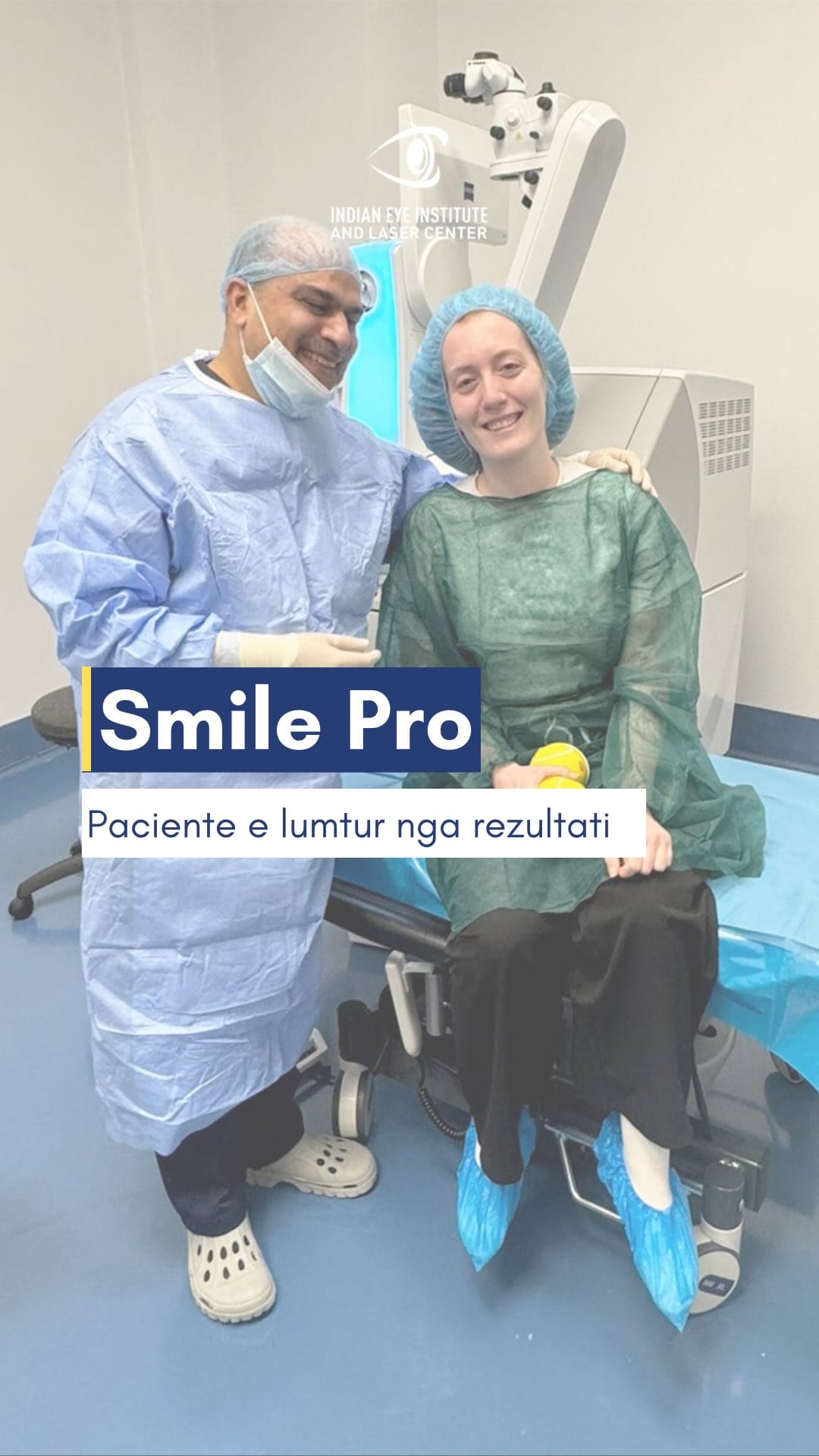
Moments with Our Patients











When May Plastic Surgery Be Performed?
Surgery may be recommended when the position or structure of the eyelids affects vision, eye closure, tear distribution, corneal protection or the appearance of the area around the eyes.
Excess Eyelid Skin
Congenital Ptosis
Entropion
Ectropion
Eyelid Lesions
Tear Duct Problems
Plastic Surgery: Functional and Aesthetic
Treatment is selected based on the condition, eyelid function, eye health, and the desired outcome. The primary goal is to preserve or restore normal function while also taking the final appearance into consideration.
Restoring Eyelid Function
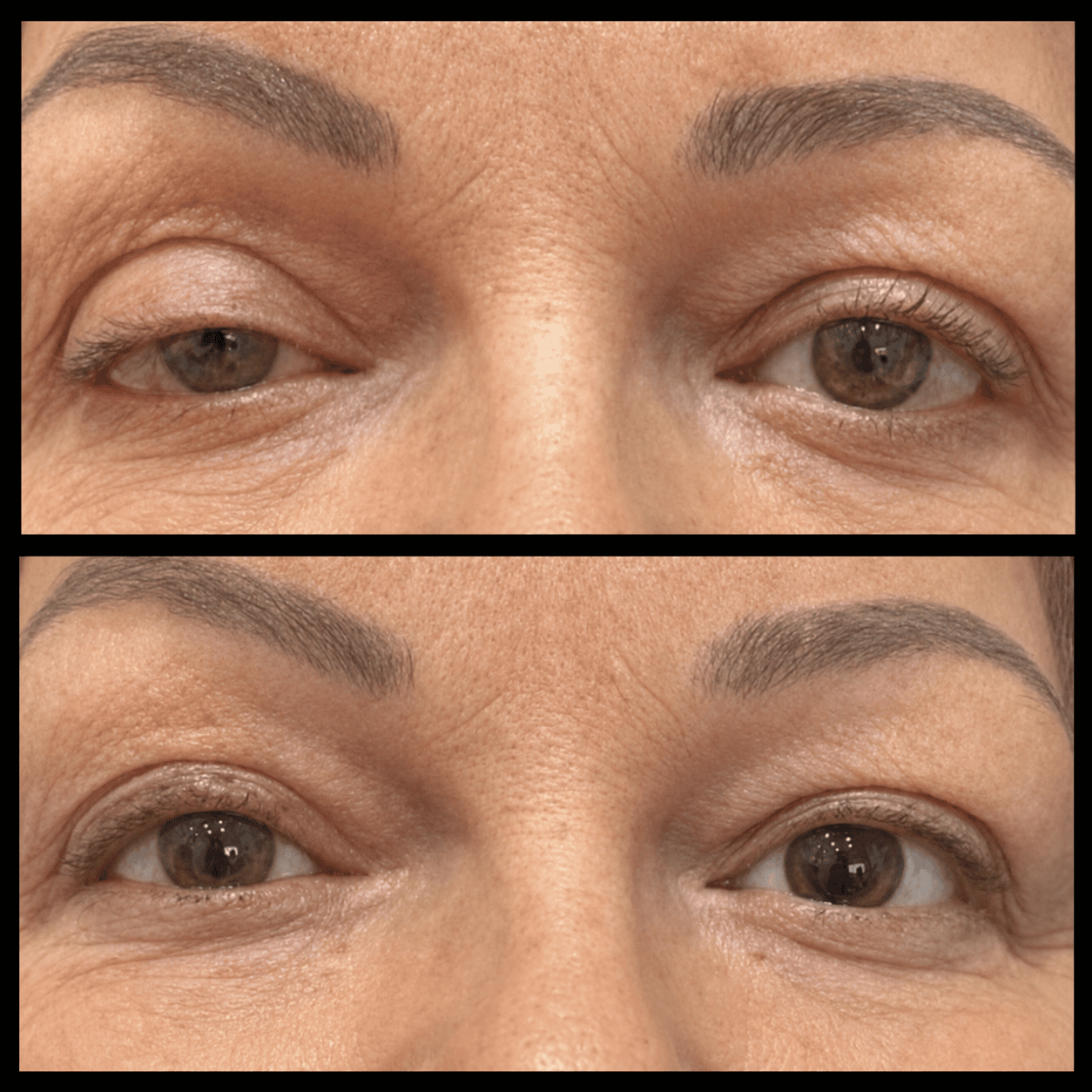
Ptosis can obstruct vision when the upper eyelid covers part of the pupil. During surgery, the muscle or tendon that raises the eyelid is adjusted to place it in a more functional position.
Entropion causes the eyelashes to rub against the surface of the eye, while ectropion leaves the eye exposed and interferes with the normal distribution of tears. Surgery aims to restore the eyelid margin to its proper position.
Correcting the position of the eyelid can reduce irritation, tearing, dryness, and the risk of corneal damage.
Correcting Age-Related Changes
Dermatochalasis is caused by the accumulation of excess skin on the upper or lower eyelids. It may be accompanied by weakening of the supporting tissues and protrusion of fatty tissue.
During blepharoplasty, skin and fatty tissue are removed or repositioned, along with part of the muscle when necessary. Incisions are placed within the natural eyelid creases to make scarring as inconspicuous as possible.
Minimally invasive treatments with Botox or dermal fillers may also be considered for wrinkles on the forehead, between the eyebrows, and at the corners of the eyes.
Reconstructive Surgery and Specialized Treatments
Eyelid tumors and lesions may require surgical removal. Depending on their size and location, reconstruction of the eyelid and surrounding skin may also be necessary.
Congenital abnormalities, such as congenital ptosis or abnormal inward or outward turning of the eyelid, may be treated in children when they affect visual development or eye function.
Tear duct surgery may involve reconstructing the duct or creating a new pathway for tear drainage.
Patients with thyroid disease may be evaluated for exophthalmos, diplopia, and changes in the position of the eyes or eyelids. The treatment plan is determined individually after the necessary examinations.
Benefits of Eyelid Plastic Surgery
The surgery aims to improve eyelid position, movement, and closure while protecting the eye and surrounding area.
Improved Eyelid Function
Protection of the Ocular Surface
Improved Field of Vision
A More Natural Eyelid Appearance
Outpatient Procedure
Personalized Plastic Surgery Treatments
Eyelid Position Correction
Functional procedures aim to restore the eyelid to a position that protects the eye and allows it to open and close normally.
- Ptosis correction
- Entropion treatment
- Ectropion treatment
- Correction of congenital abnormalities
Blepharoplasty and Minimally Invasive Treatments
Treatment is tailored according to the amount of excess skin, the position of the fatty tissue, and age-related changes in the area around the eyes.
- Upper eyelid blepharoplasty
- Lower eyelid blepharoplasty
- Repositioning or removal of fatty tissue
- Botox or dermal filler treatments
Reconstructive and Lacrimal Surgery
Reconstructive surgery is used to treat lesions, injuries, and tear duct problems while preserving as much normal eyelid function as possible.
- Removal of tumors and lesions
- Eyelid reconstruction
- Tear duct surgery
- Treatment of thyroid-related conditions
What to Expect
01. Comprehensive Eye and Eyelid Examination
The examination includes assessing visual acuity, measuring refractive error and intraocular pressure, and evaluating the anterior segment of the eye with a slit-lamp biomicroscope.
Depending on the symptoms, a Schirmer test may be performed to assess tear production. The pupils are dilated to examine the retina and optic nerve.
The position and elasticity of the eyelids, the height of the palpebral fissure, MRD1 and MRD2 measurements, and the function of the muscle that lifts the eyelid are assessed.
Eye movements and the position of the eyes in relation to the eyelids and surrounding bones are also assessed. The comprehensive examination usually takes about one hour.
02. Procedure
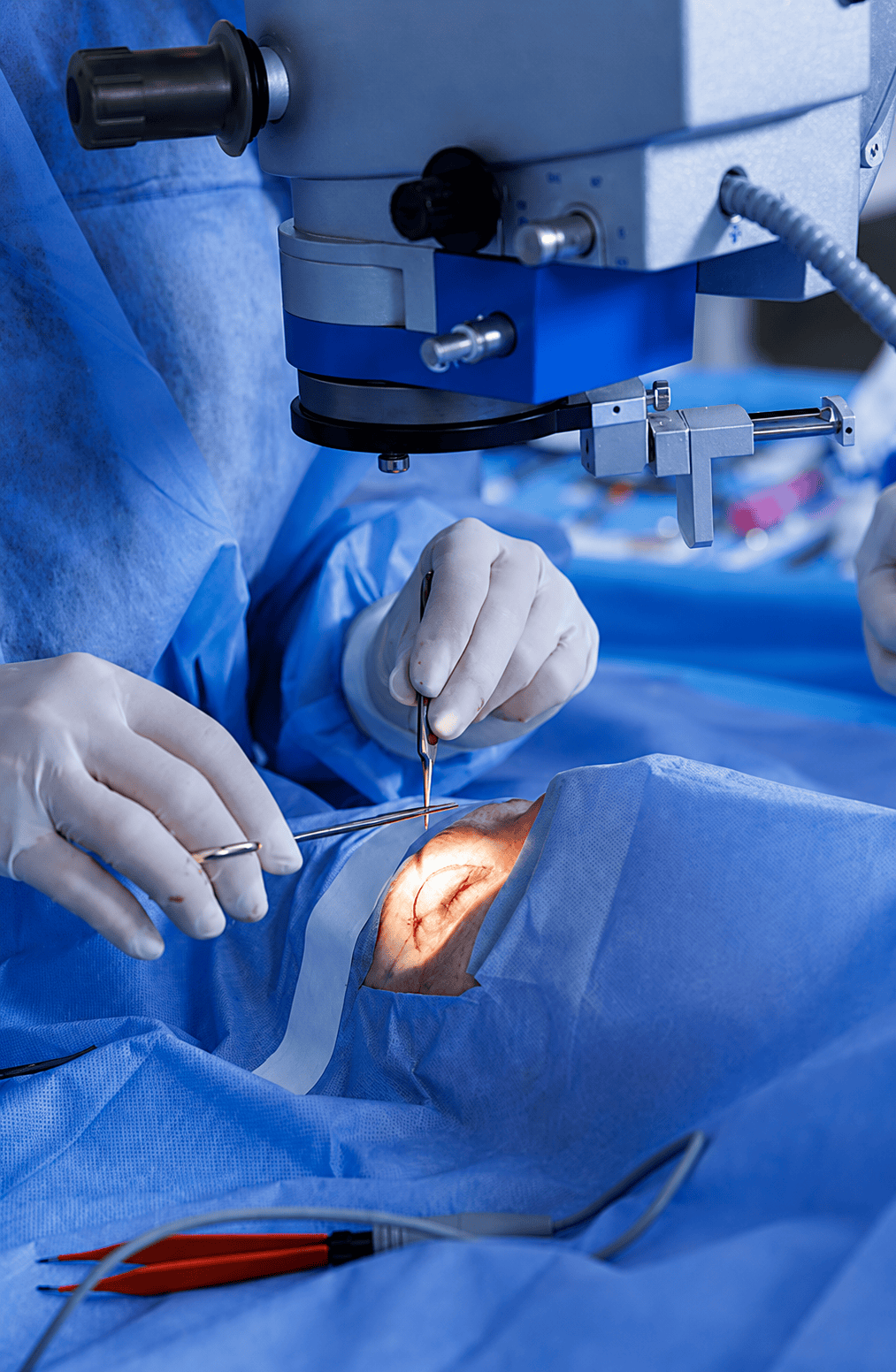
Eyelid plastic surgery is usually performed as an outpatient procedure under local anesthesia. The duration depends on the type and complexity of the treatment.
Minor procedures, such as removing warts or cysts, may take only a few minutes. Eyelid lifting or corrective procedures may take approximately 30 minutes.
During blepharoplasty, the incisions are placed within the eyelid’s natural creases. In functional procedures, the eyelid position is corrected or the supporting tissues are strengthened.
After the procedure, the patient is monitored for a short time and then leaves the clinic the same day.
03. Recovery and Follow-Up
After surgery, a dressing may be placed over the treated area, which usually does not obstruct vision. Cold compresses and antibiotic ointment may be recommended.
Swelling and bruising are common and usually subside within 7–10 days. Final results may take several weeks as the tissues continue to heal.
The first follow-up visit usually takes place one day after surgery. Additional follow-up visits are scheduled according to the procedure, often one or two weeks later.
Sutures are usually removed at the clinic after 7–10 days. Severe pain, persistent bleeding, worsening redness or a sudden change in vision require immediate contact with the clinic.


Indian Eye Clinic Tirana: 15+ Years of Trust


Retina | Cataract | Refractive Surgery


The right care for a lifetime with clear vision
Every successful treatment begins with an accurate diagnosis and a personalized care plan. Discover the real stories of patients who trust Indian Eye Institute and Laser Center.


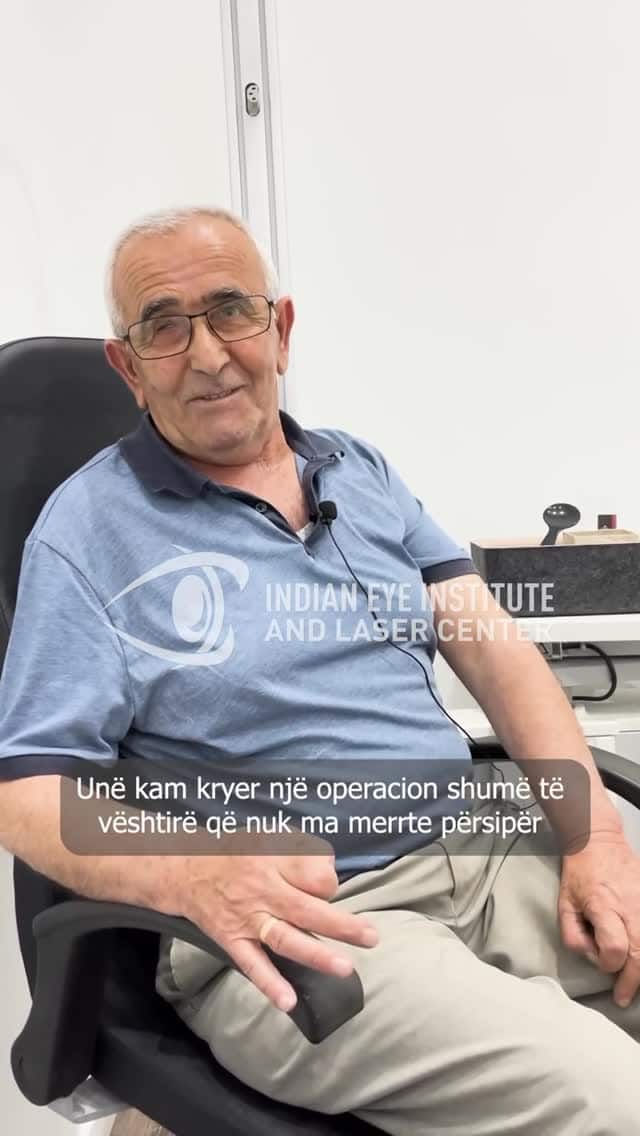


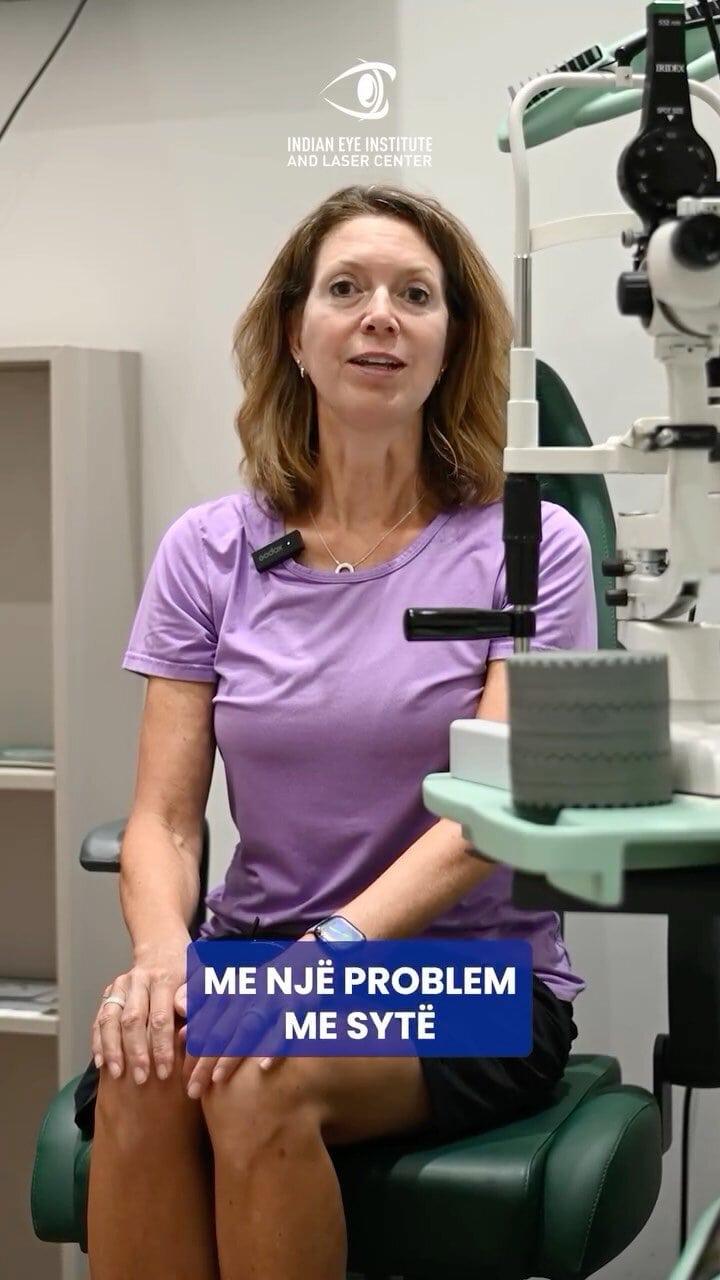





I have advanced glaucoma in both eyes and have undergone glaucoma and cataract surgery with Dr. Taneja. I have been receiving regular follow-up care from Dr. Taneja for the past 11 years.
I am very happy and satisfied with my experiences at Dr. Taneja’s clinic. The staff are helpful, knowledgeable, competent, and very pleasant. Dr. Taneja has worked diligently to preserve my vision, and I am extremely pleased with the care I have received. He deserves recognition for how good he is at what he does. I would recommend him 100% to anyone with serious eye problems.
I have suffered from a long-term problem with floaters in both eyes. Dr. Nishant Taneja is truly an expert in his field who allows patients to consider nonsurgical options as the first course of treatment. He is professional and courteous, treats patients with respect, and communicates clearly in terms that ordinary people can understand. I believe he is honest and straightforward, and he is taking excellent care of me.
I have been a patient of Dr. Nishant Taneja since 2010, when I was diagnosed with wet macular degeneration. He has treated me with Avastin, Eylea, and now brolucizumab, and I can still read large print.
I owe my sight to his treatments. He has taken excellent care of my eyes. The staff are absolutely outstanding in their courtesy and professionalism. I am 93 years old and can still read clearly. Thank you!
When I first came here, I thought I would go blind in my left eye. I was diagnosed with a vitreous hemorrhage caused by detachment of the vitreous gel. After the laser treatment, my vision returned to what it had been before.
I have received excellent medical care here. The entire staff have been very kind and have made everything much easier for me. I am very happy.
Many thanks to the entire staff. The whole process of my cataract surgery and the care I received were the best I have ever experienced at any medical practice. The staff and technology were first-rate. Dr. Taneja is simply phenomenal. Thank you again.
I underwent surgery for a retinal detachment last week. I experienced no pain during or after the operation. I slept well the following night without needing any pain medication. If anyone has questions about retinal surgery, please feel free to call me.
I am impressed by the high standard of patient care I received from Dr. Taneja at the Indian Eye Institute. I hold him in the highest regard.
I have had diabetes for over 30 years. Over the past 5 years, my vision gradually deteriorated. I had been receiving treatment from my ophthalmologist for the previous 4 years. The treatment involved injections, but the situation seemed to be getting worse. I could barely see well enough to drive, could not read anything on my phone, and began having difficulty recognizing people from a distance. I therefore decided to visit Dr. Nishant Taneja on the recommendation of my eye doctor. He was prompt, efficient, and professional. Within minutes, he had mapped out a treatment plan for both of my eyes and advised me to follow it. I was truly impressed by his energy, optimism, and confidence.
After several injections and laser treatments, he said that I needed a vitrectomy in my left eye. It went perfectly, without any complications. My vision in that eye was restored to 20/20. I felt as though I were opening my eyes for the first time.
After I recovered from that procedure, Dr. Taneja said that my right eye also needed surgery. So, without hesitation, I had that eye treated as well. I now have 20/20 vision in both eyes, and everything is wonderful.
I can now see my two young grandchildren clearly. This has improved my quality of life tremendously. Without a doubt, I am probably the happiest patient Dr. Taneja has ever had!
I am delighted to express my appreciation for Dr. Taneja and his exceptional staff.
If you are reading this review while deciding on a retina specialist, you have definitely come to the right place! An excellent doctor and staff. I am more than completely satisfied!
I believe Dr. Taneja is an exceptionally talented surgeon.
I began wearing glasses and contact lenses at the age of 12. I relied on them to see and read. During the spring, pollen irritated my eyes, and I could no longer wear my contact lenses.
After the procedures performed by Dr. Taneja, I went from being unable to see to having clear vision without contact lenses or glasses.
I would recommend Dr. Nishant Taneja for any procedure he performs. He is highly meticulous, compassionate, and understanding.
He worked a miracle for me. I thank God for his talent.
Patient Education Videos
View All
The SMILE Pro Procedure
Chemical Eye Injuries
Diabetic Retinopathy
Signs That Should Not Be Ignored
Examination and Treatment
Download the Guides Free for Patients

Frequently Asked Questions
The procedure is usually performed under local anesthesia. The patient may feel a slight sting when the anesthetic is administered and mild pressure or pulling during the procedure, but should not feel pain.
Swelling and bruising usually subside within 7–10 days. Healing and final results may take several weeks, depending on the procedure.
Whenever possible, incisions are placed within the natural eyelid creases to make scars as inconspicuous as possible. Their appearance gradually improves as healing progresses.
Sutures are usually removed after 7–10 days during an outpatient visit. Removal is quick and generally painless.

Take the First Step Toward Better Vision.
Fill out the form below and our team will contact you
to schedule a consultation and answer your questions.